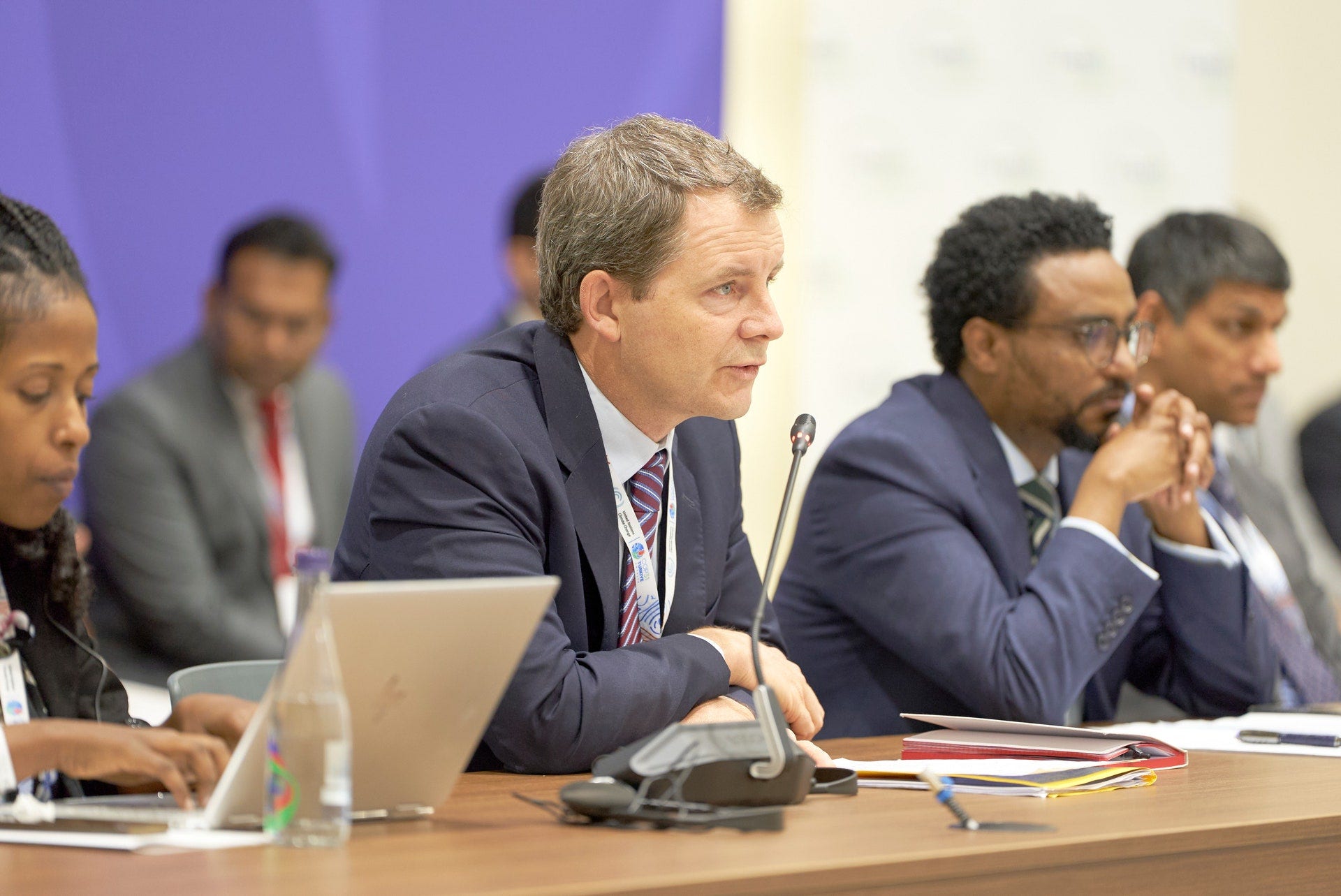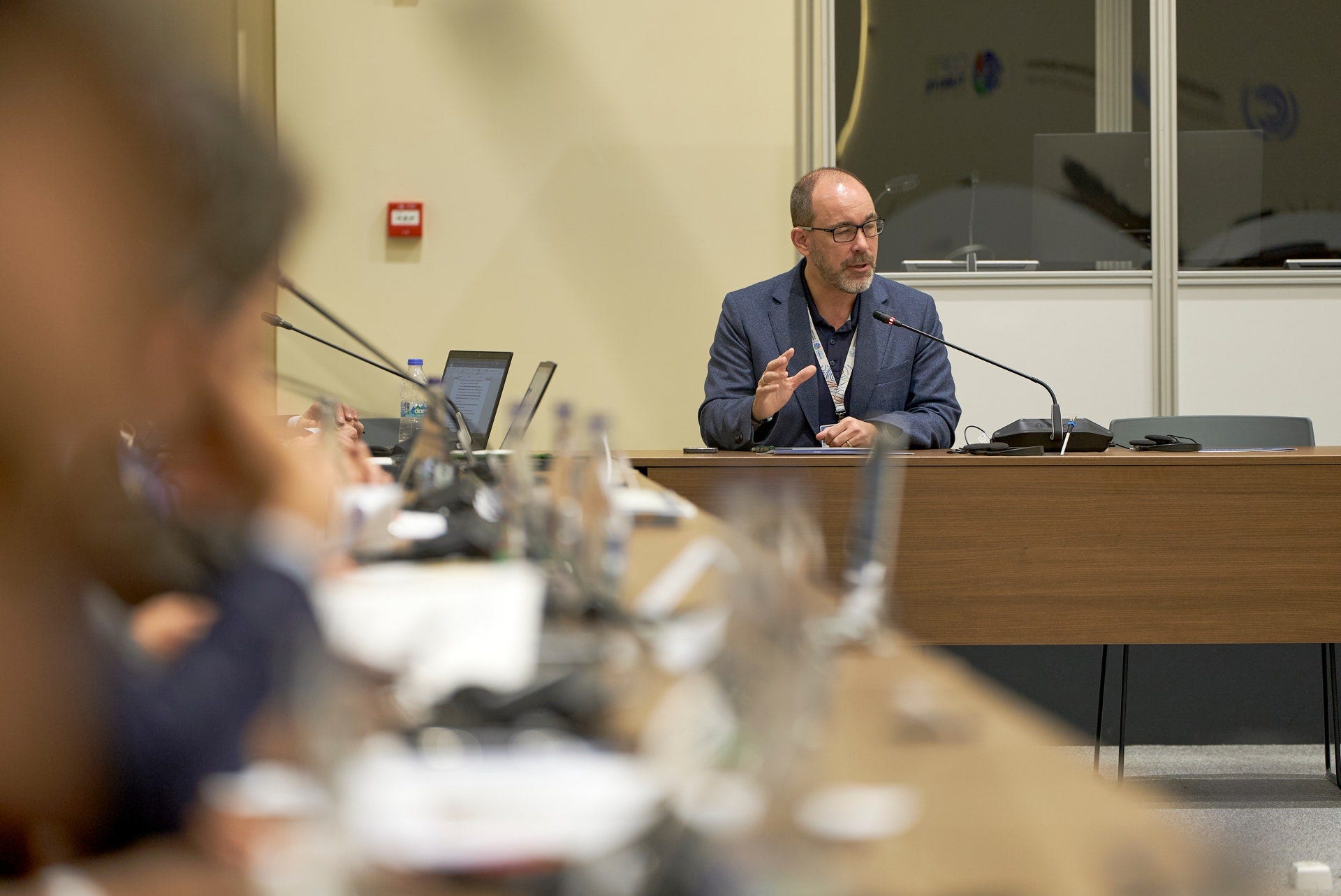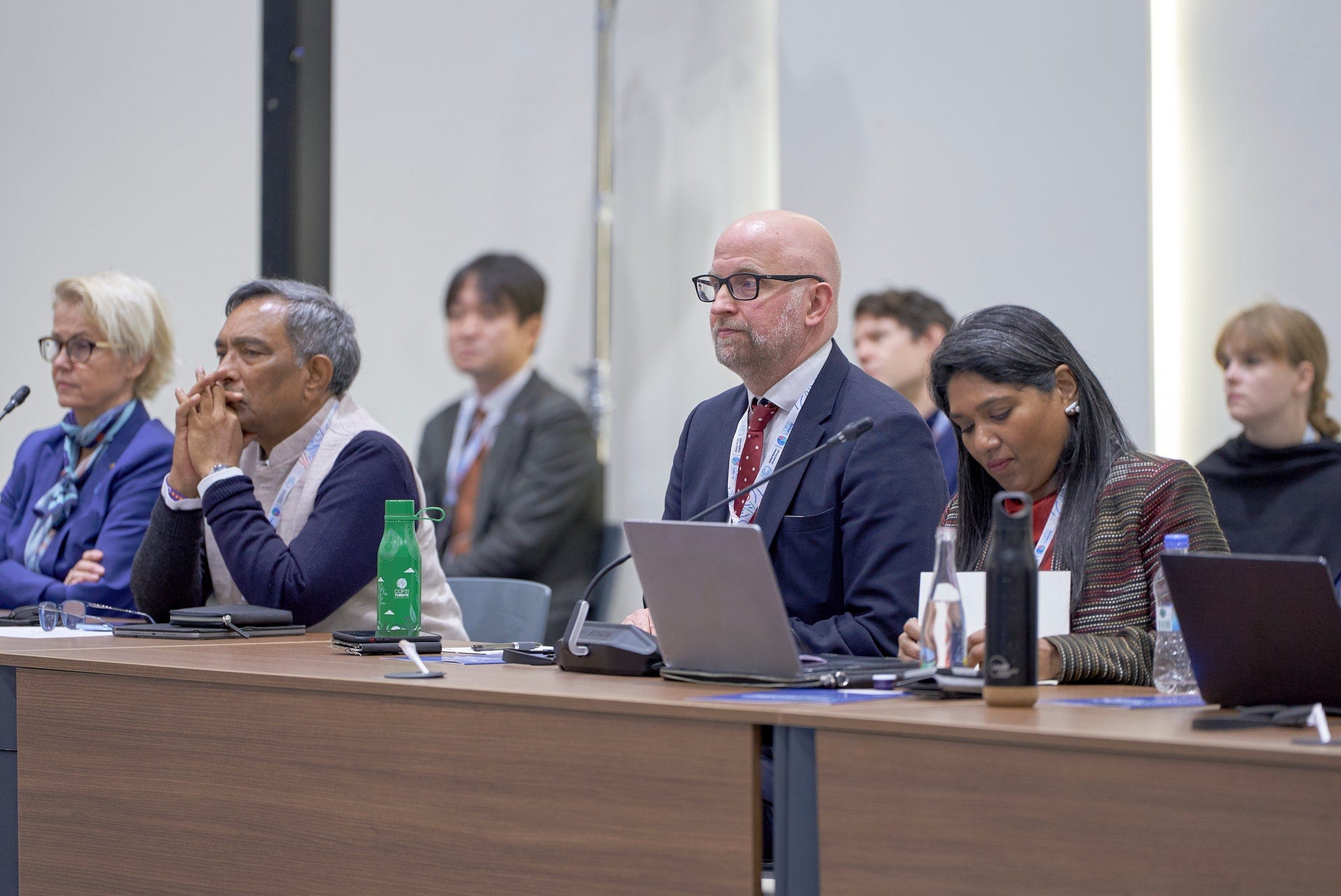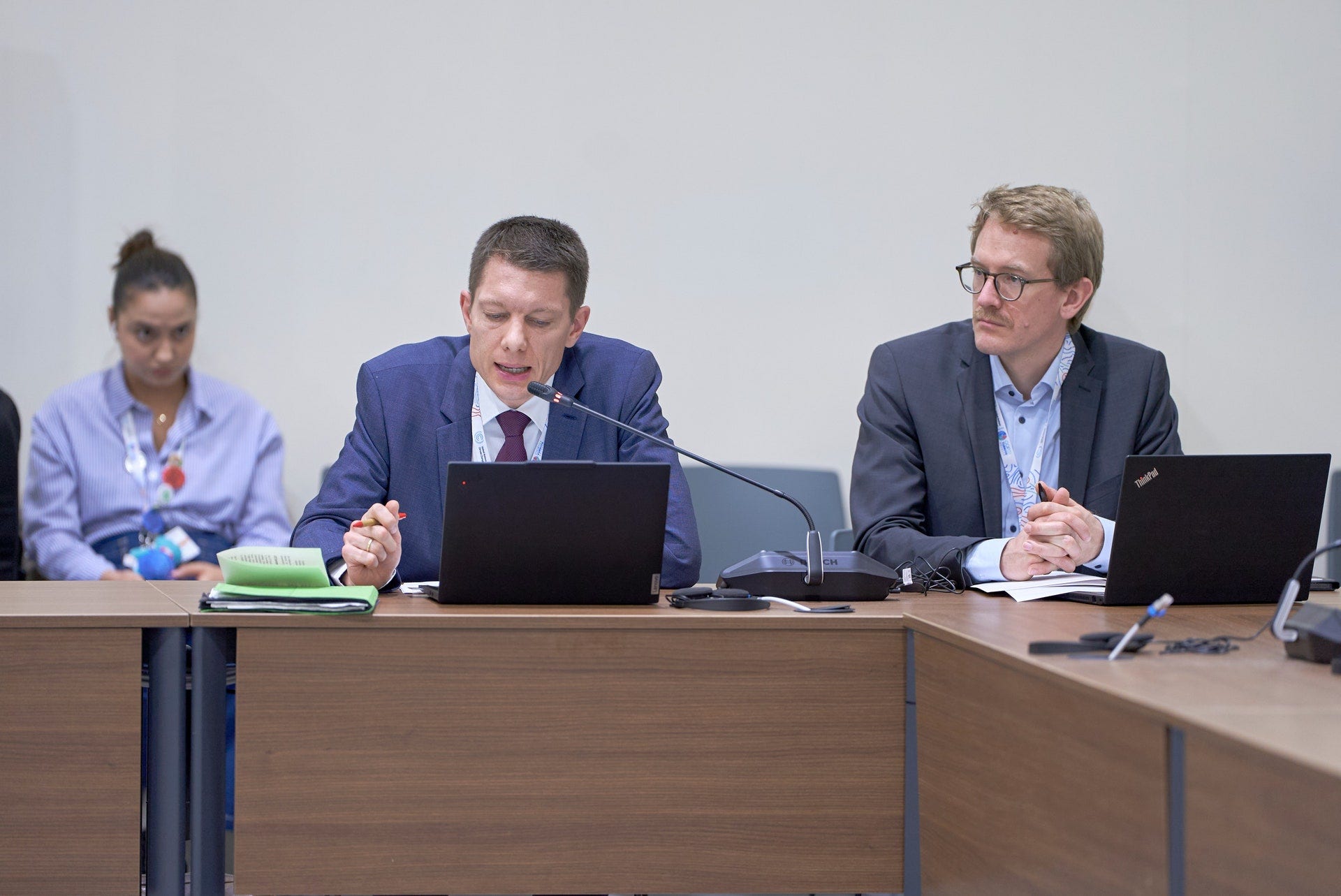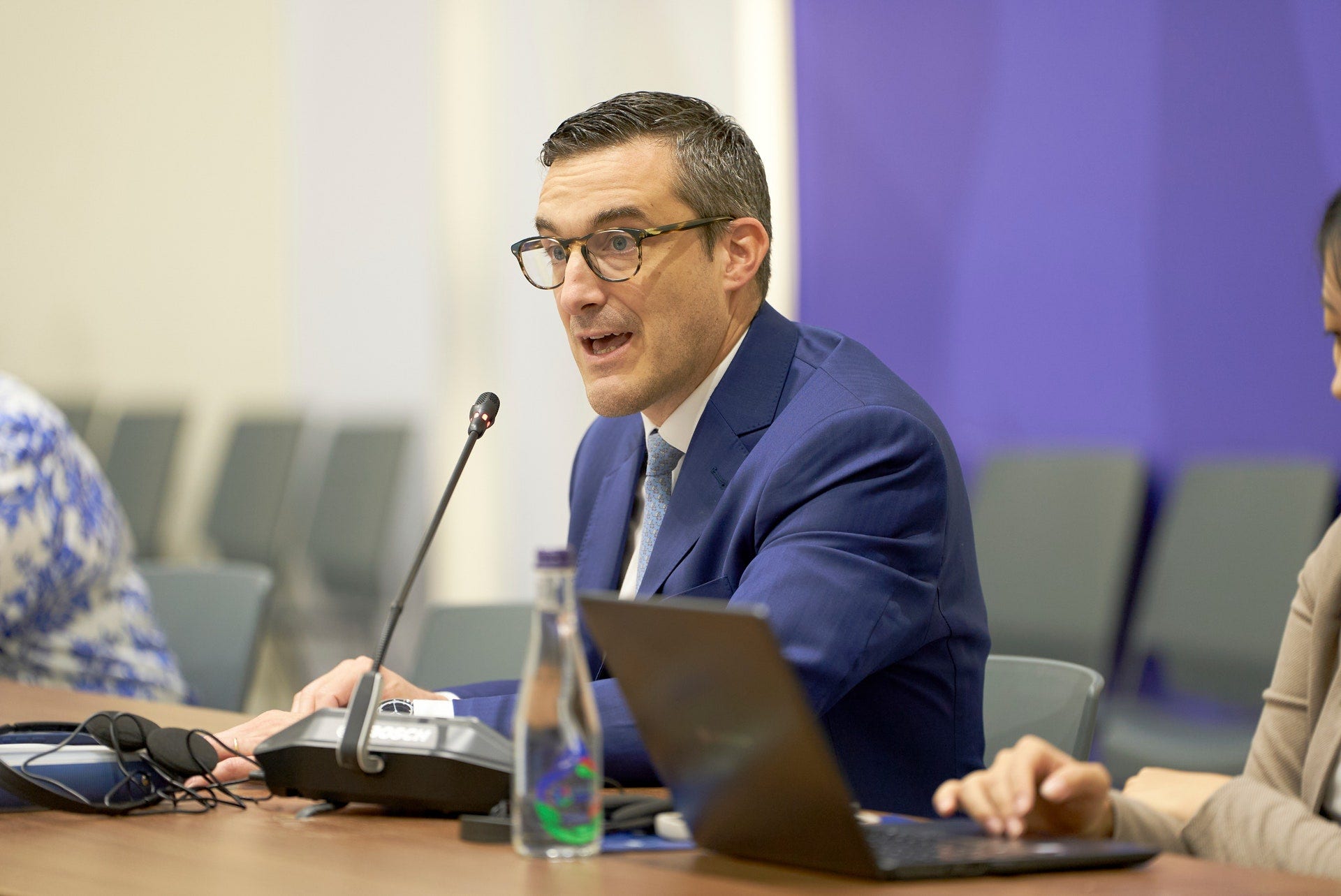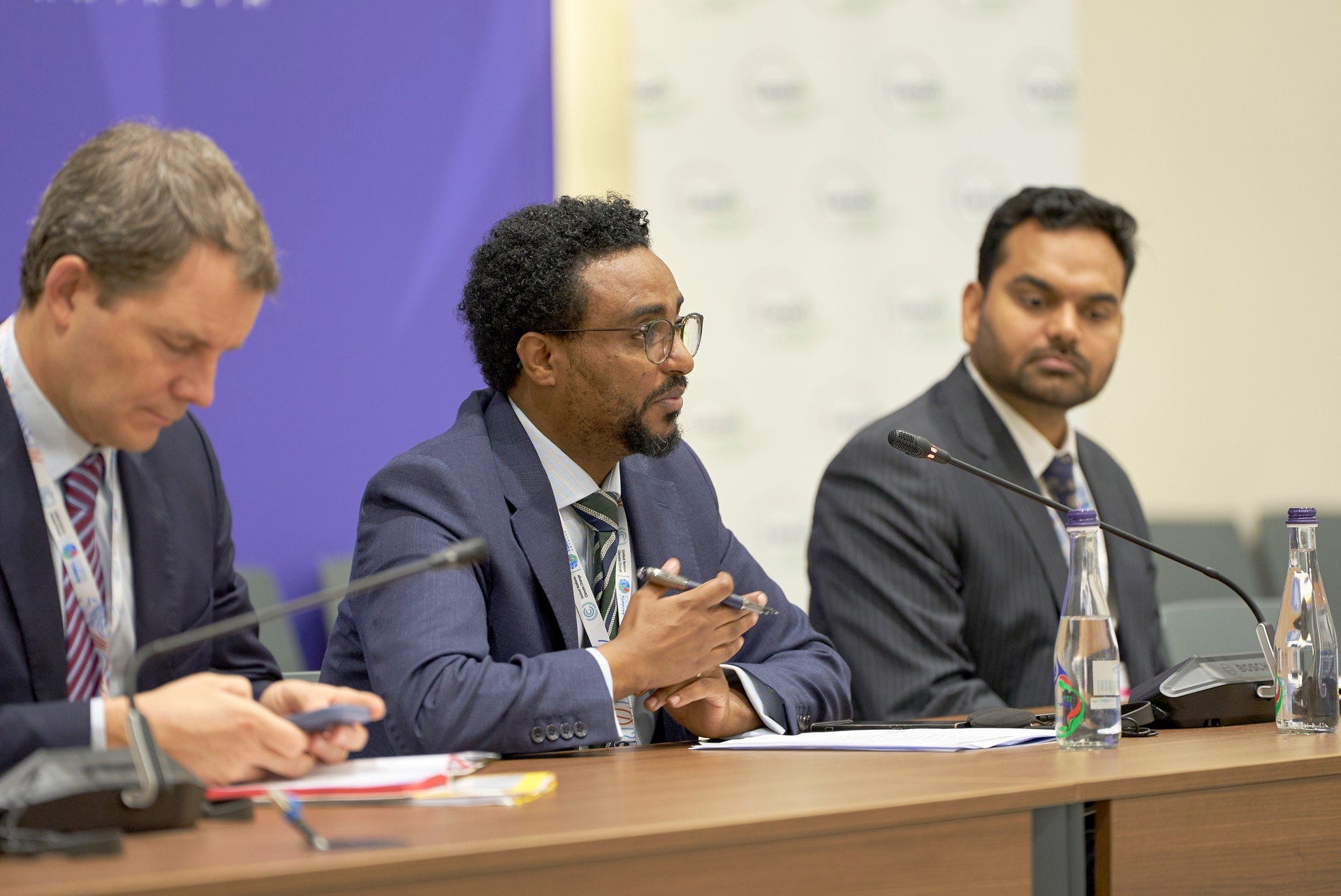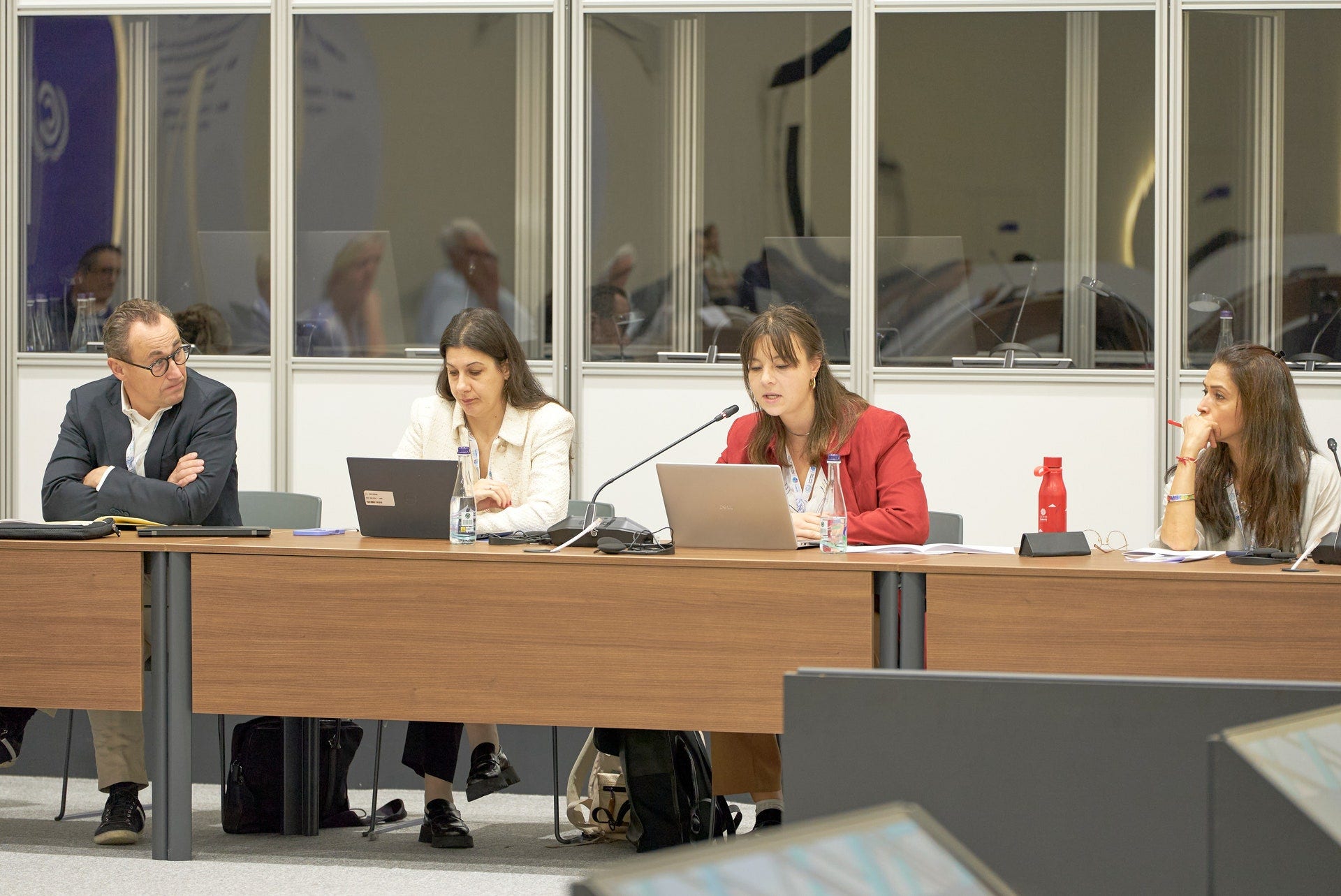

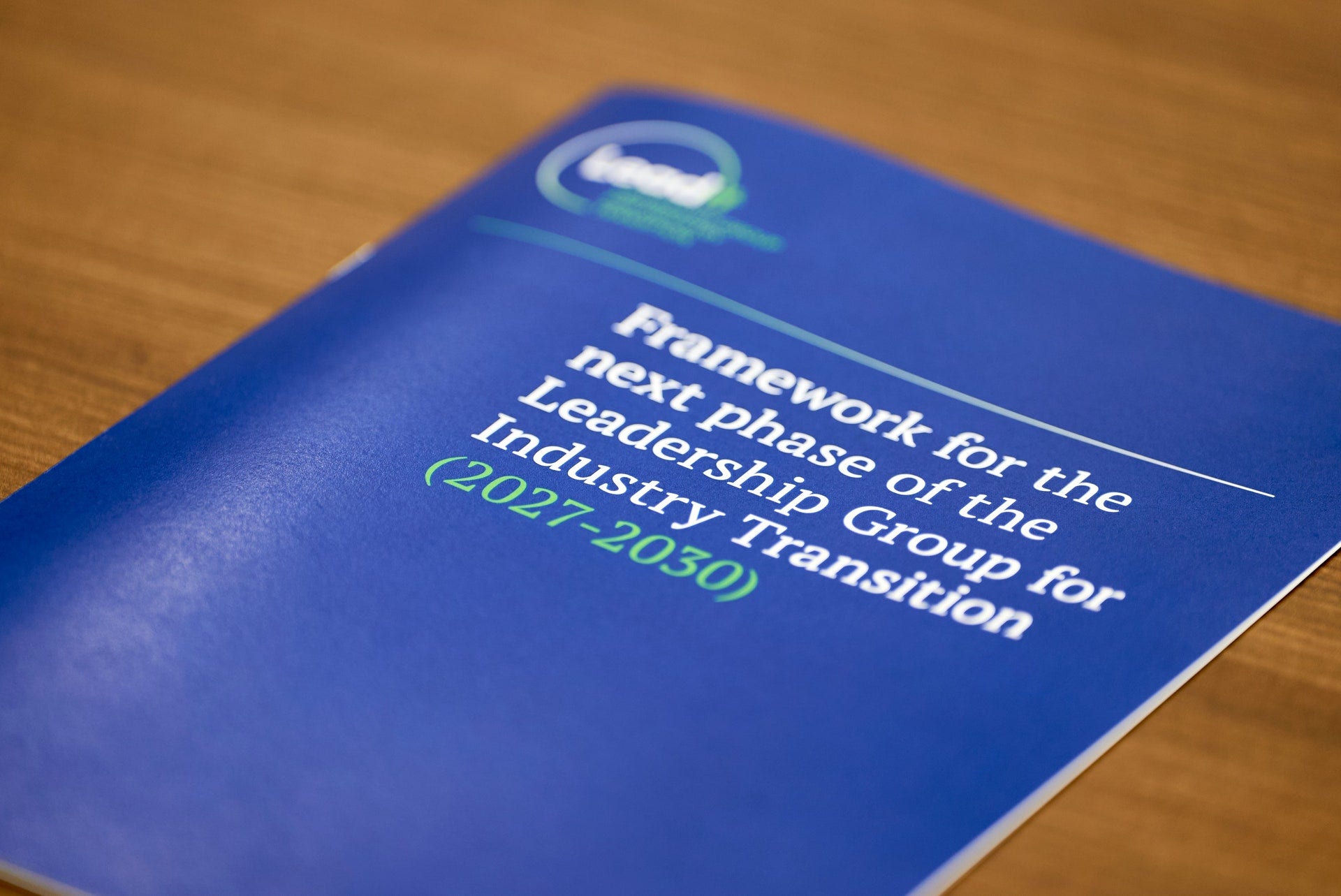
As a coalition of 20 leading countries and 33 companies, the Leadership Group for Industry Transition (LeadIT) is entering a new phase. LeadIT 3.0 was formally launched at COP31 in Antalya, marking the next chapter of work to accelerate the transition to low-carbon industries. The launch brought together Swedish State Secretary Helena Dyrssen and India’s Environment Minister Bhupender Yadav, reflecting the continued commitment of the two countries that established LeadIT in 2019. The launch was supported by the UN Assistant Secretary-General, Selwin Hart.
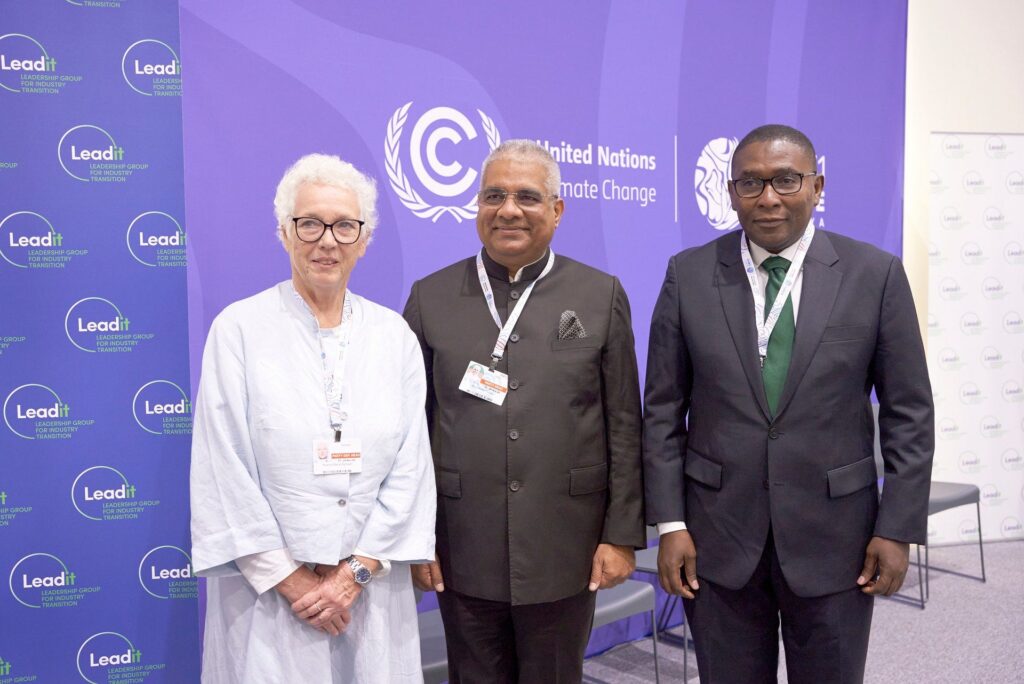
Building on seven years of collaboration and partnerships, LeadIT 3.0 will carry this work forward to 2030, with a focus on accelerating the solutions needed to make green industrialisation a reality. The ambition is to support competitive, resilient and low-carbon industries worldwide, moving beyond commitments to deliver tangible progress on the ground.
Announced earlier in 2026 by the Prime Ministers of Sweden and India, LeadIT 3.0 comes at a time when industrial transformation has moved to the centre of both the climate agenda and debates about competitiveness, energy security and economic growth. Decisions made today about the future of steel, cement and heavy transport will shape companies, markets and economies for decades to come. But getting the transition right is not something any government or company can do alone. Questions around finance, market demand, technology and trade need to be addressed together if industrial ambition is to translate into investment and action. This is where LeadIT 3.0 comes in: bringing governments, industry and international partners together to bridge the gap between commitments and real-world projects, and help accelerate the transformation of industry worldwide.
LeadIT 3.0 will be more ambitious than what came before. It will aim to support industries to move from feasibility studies to pilot projects, from pilots to demonstration, and from demonstration to replication across sectors and geographies. It will help connect clean-technology providers with industrial demand. And it will ensure that the transition creates opportunity, without leaving workers, communities and developing economies behind.
Bhupender Yadav
Union Minister for Environment, Forest and Climate Change, Government of India
Three areas of focus for LeadIT 3.0
1. Technology development and diffusion
Facilitating North-South and South-South partnerships between businesses and governments to accelerate the development, validation, transfer and deployment of clean industrial technologies, while reducing the risks associated with their commercialisation.
2. Capital mobilisation and de-risking
Helping unlock affordable finance for clean industrial projects by strengthening project preparation, connecting investment opportunities with national investment plans and financial institutions, and fostering dialogue between suppliers and buyers of low-carbon materials.
3. Capacity building and policy
Strengthening the capacity of governments and industry to navigate the industrial transition through support on policy instruments, carbon markets, international trade frameworks and workforce skills, while promoting a just and equitable transition.
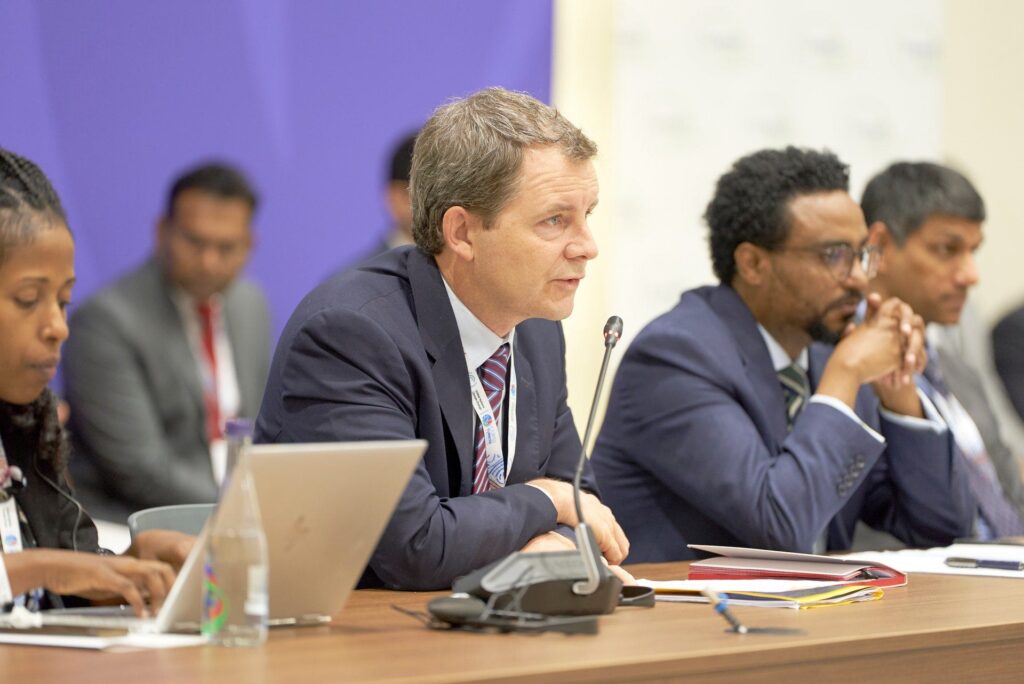
Sebastien Paquot, Head, Task Force on International Carbon Pricing and Markets Diplomacy, Directorate General for…

Eriko Seki, Deputy Director, Ministry of Economy, Trade and Industry, Japan. Photo: Climate Acceptance Studios.
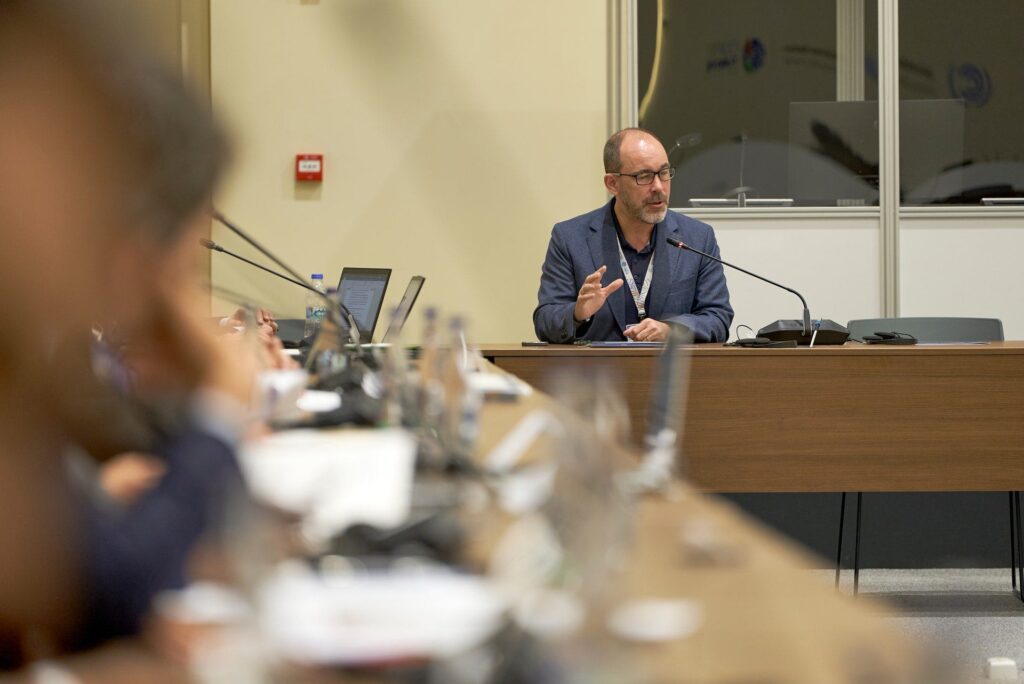
Paul Durrant, Head of Unit, Dep. of Energy Security and Net Zero, UK. Photo: Climate Acceptance Studios.
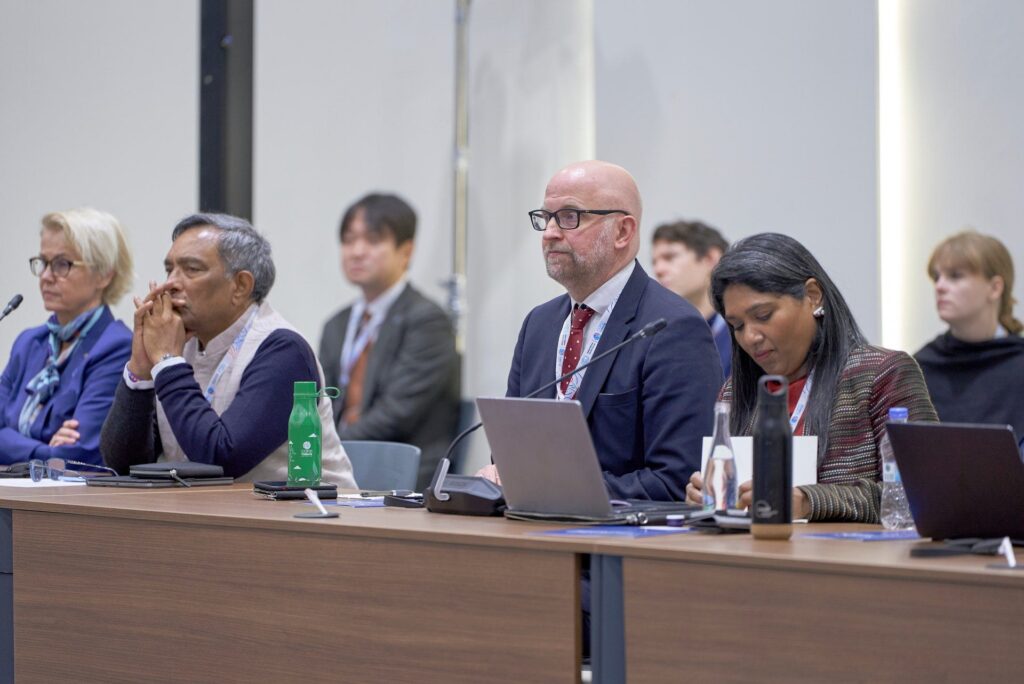
Per Andersson, Head of Secretariat, and Arati Davis, Business Co-development Lead, LeadIT. Photo: Climate Acceptance…
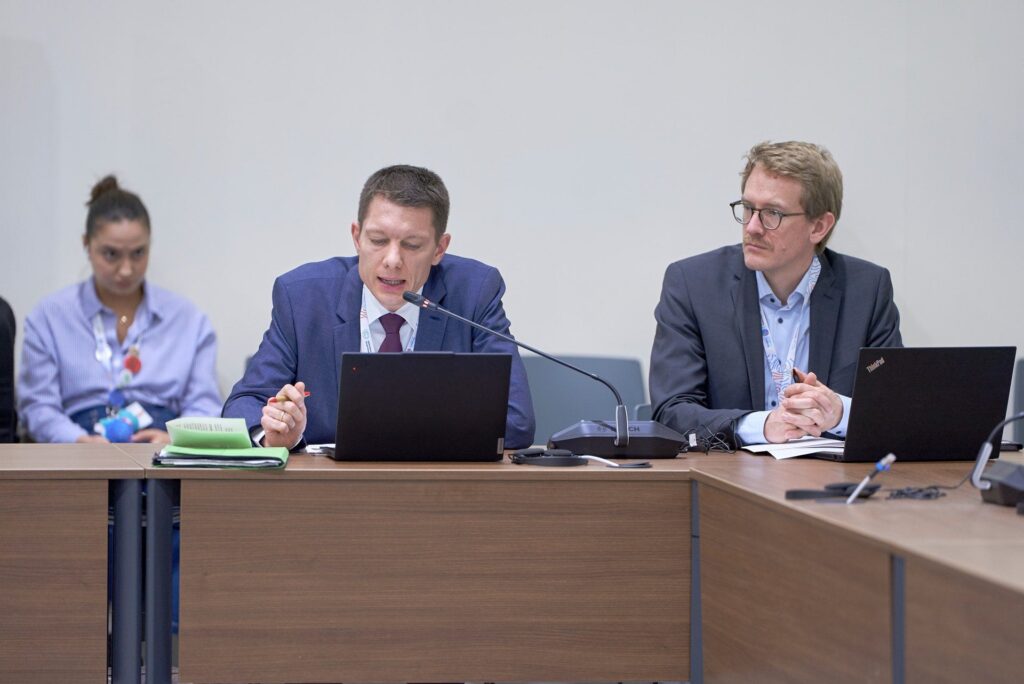
Lutz Morgenstern, Head of Unit, Federal Ministry for the Environment, Climate Action, Nature Conservation and Nuclear…
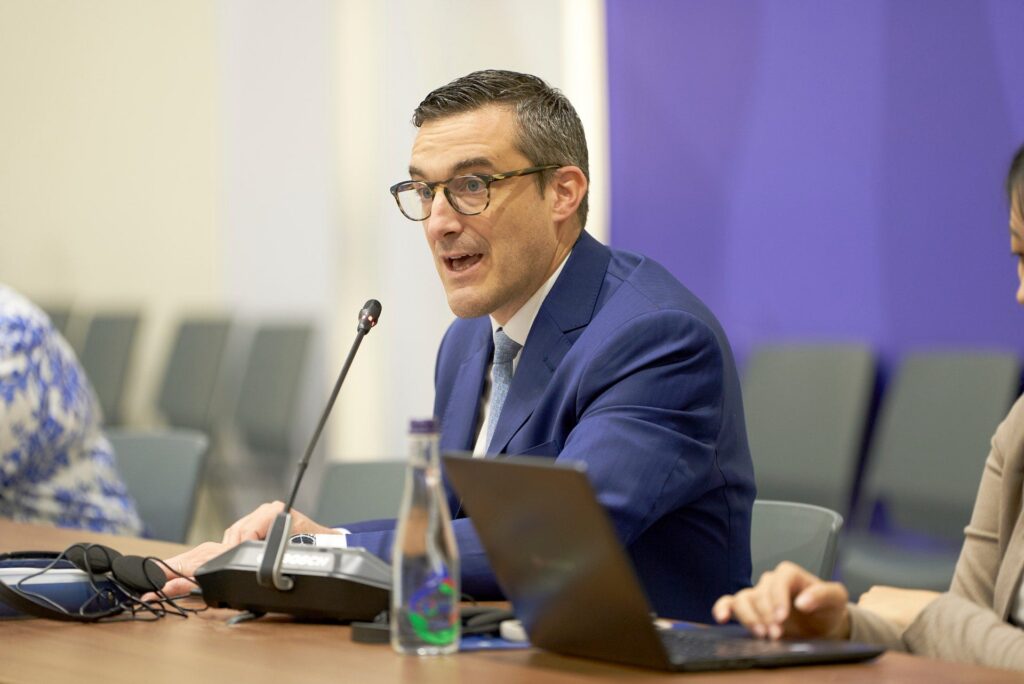
Matthieu Pegon, Deputy Chief Executive Officer, CIF. Photo: Climate Acceptance Studios.
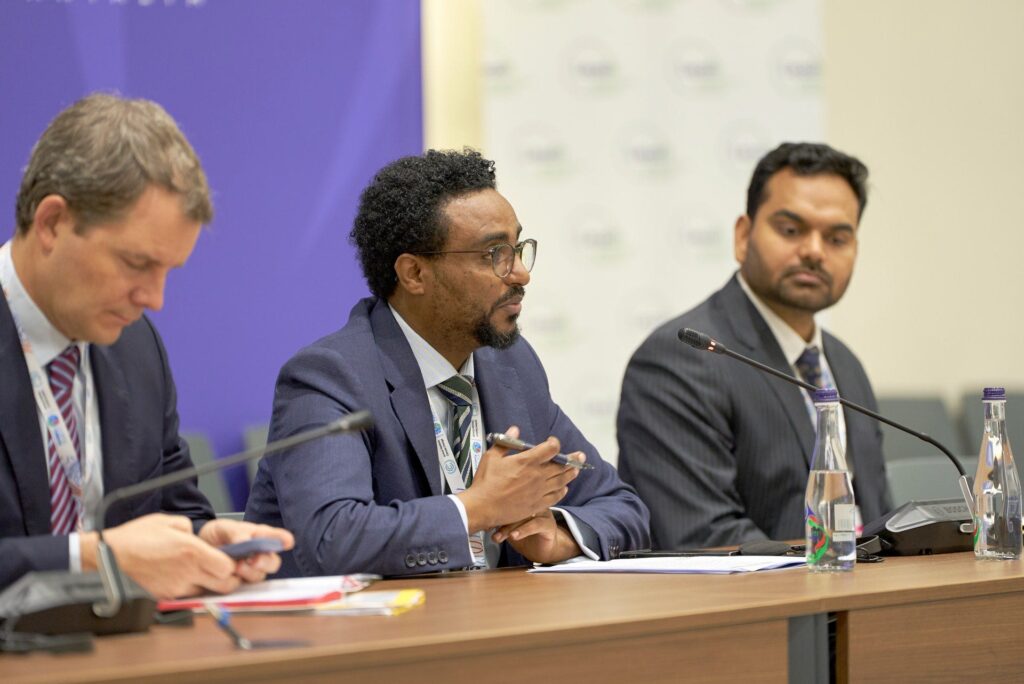
Charra Tesfaye, Senior Strategic Advisor for COP32, Ethiopia. Photo: Climate Acceptance Studios.
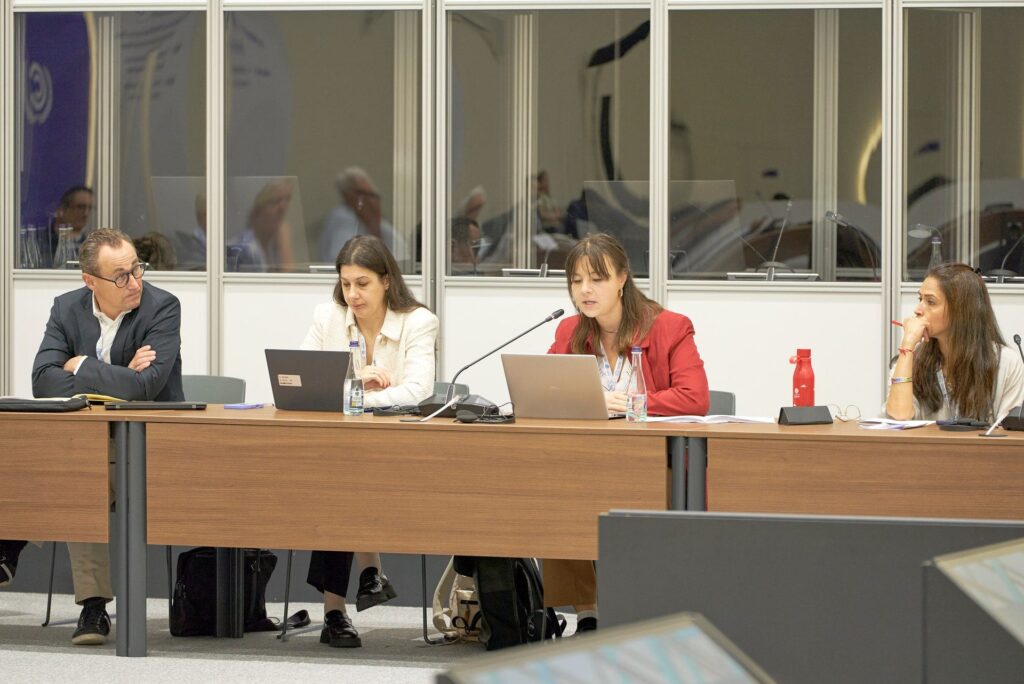
From L to R: Thomas Guillot, CEO, GCCA; Cecile Seguineaud, Policy Analyst, OECD; Eleanor Batilliet, Heidelberg…