



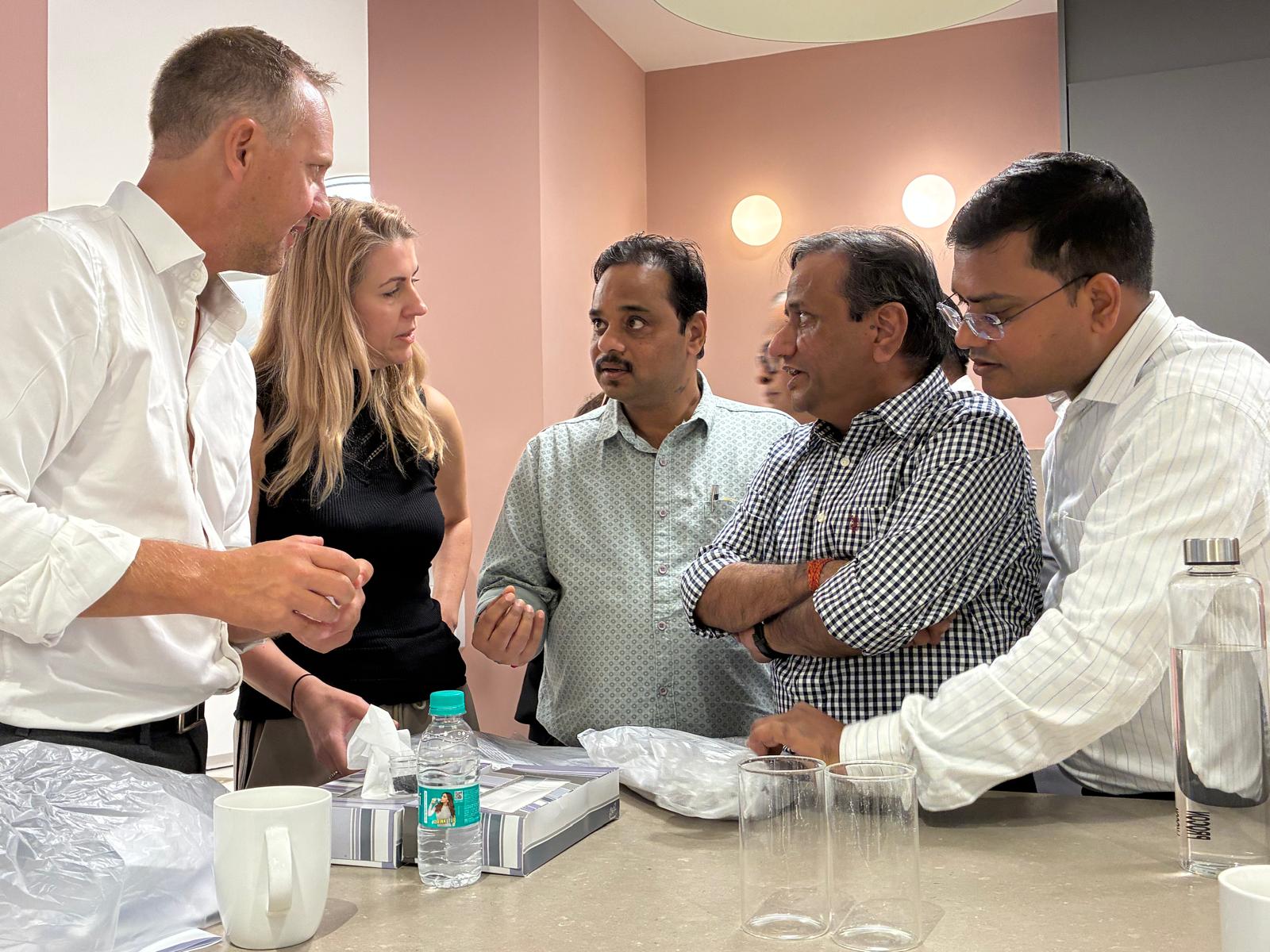
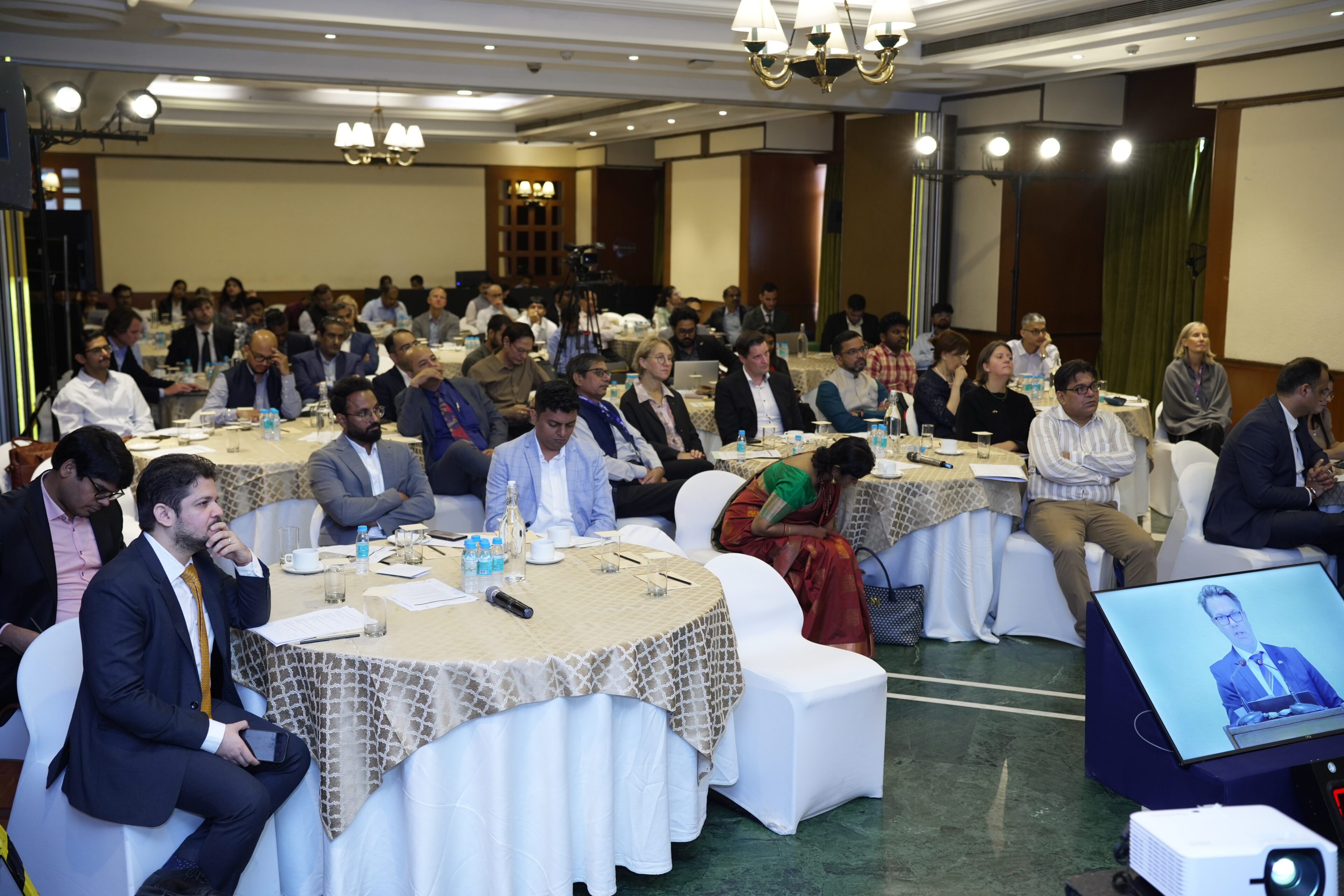
At a meeting in Delhi in October, project partners from India and Sweden came together to take stock of progress, share emerging lessons, discuss challenges, and explore the next steps for the LeadIT Industry Transition Partnership (ITP) projects. These projects bring together companies and research institutions from both countries to test different potential pathways for reducing emissions in the industries that underpin India’s growing economy. In steel, they explore everything from hydrogen-based ironmaking and electrification to new ways of extracting value from industrial by-products. In cement, the focus ranges from carbon capture and utilisation to reducing the amount of clinker needed in cement and using artificial intelligence to optimise concrete production.
All projects are at the pre-feasibility or feasibility stage and aim to test promising technologies against the realities of industrial deployment in India to ultimately determine which ideas could move beyond feasibility towards pilot projects and, potentially, wider deployment.
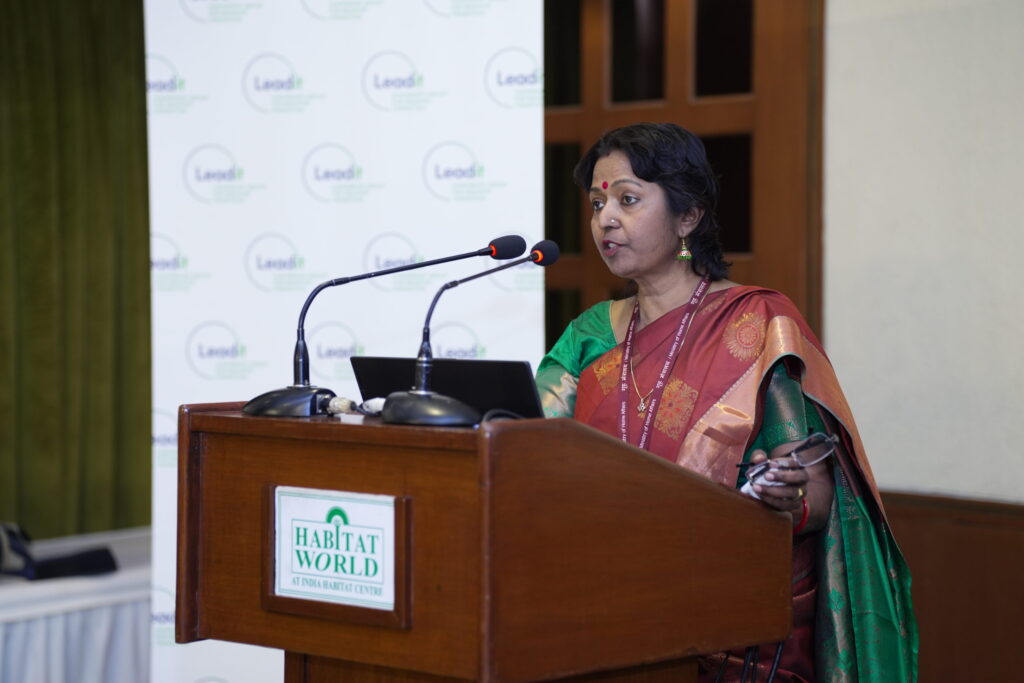
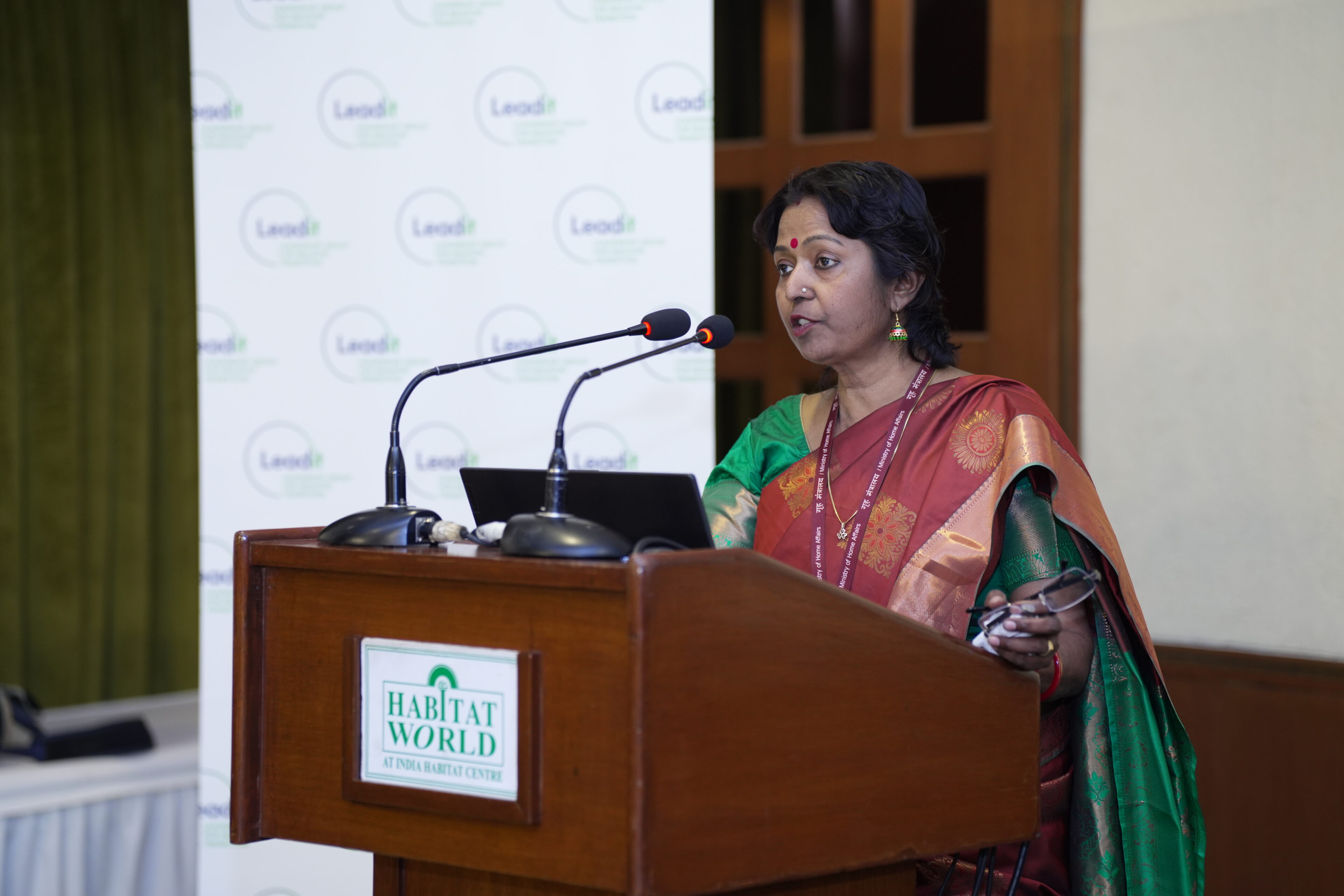
Rajasree Ray , Senior Economic Advisor, Ministry of Environment, Forest and Climate Change (India)
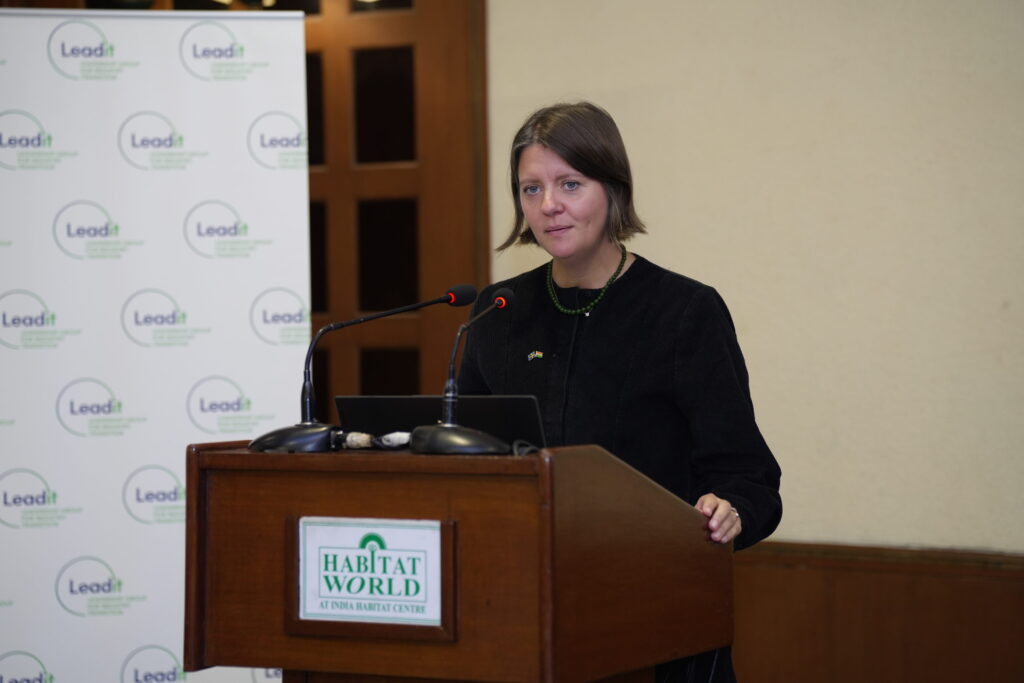
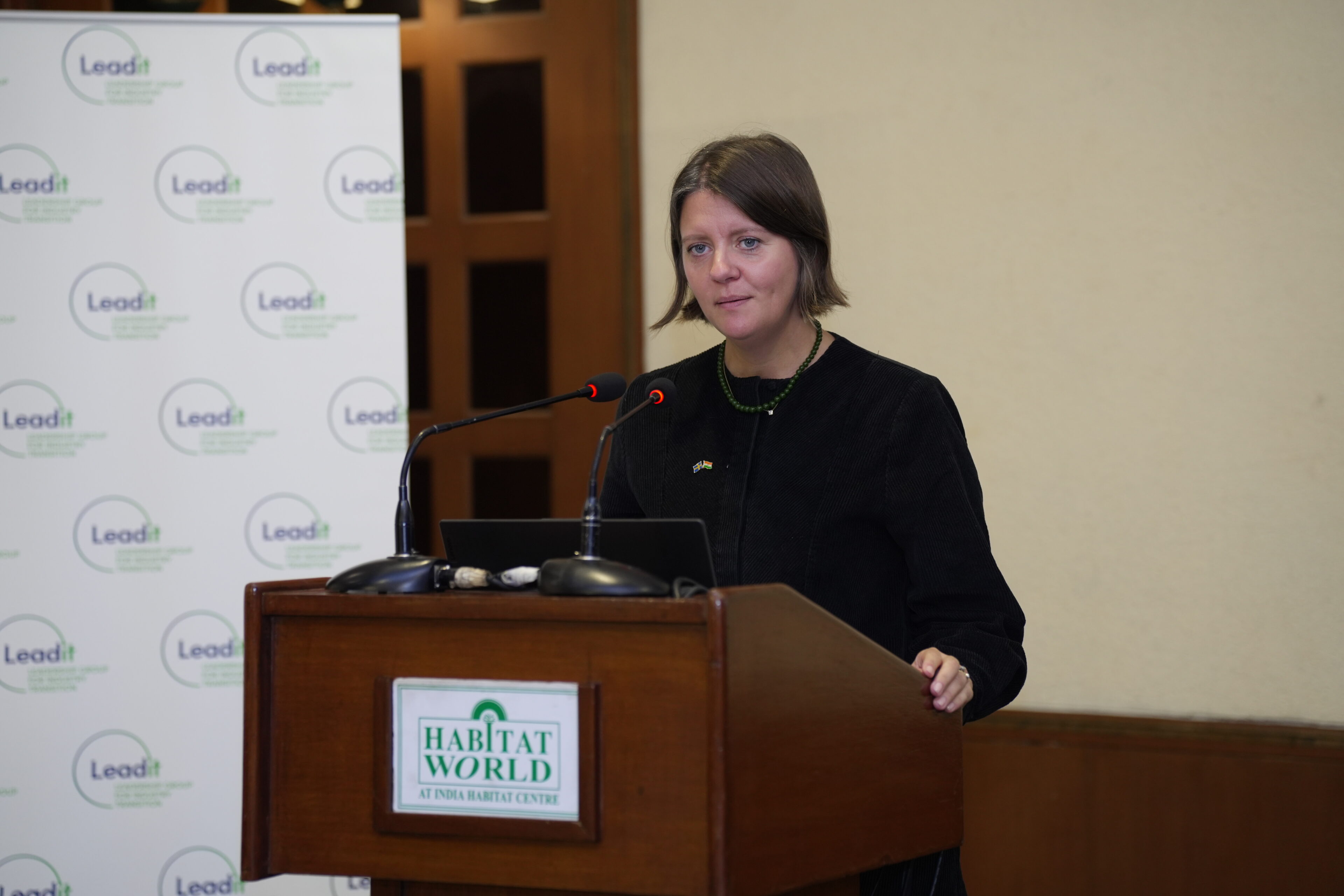
Agnes Julin, Minister Counsellor and Deputy Head of Mission at the Embassy of Sweden in New Delhi, India
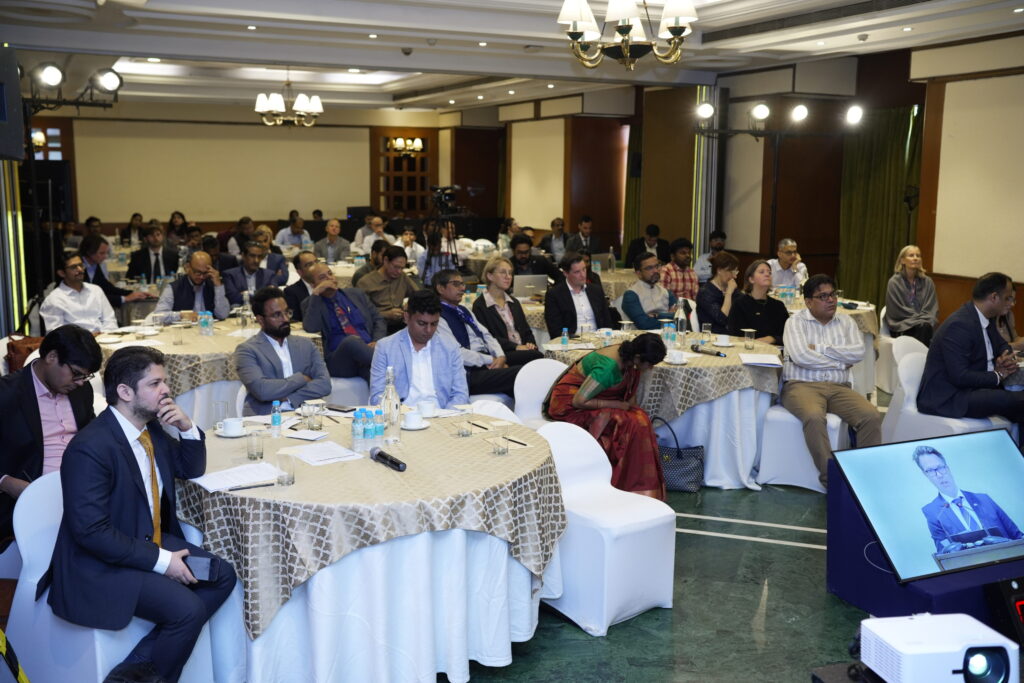
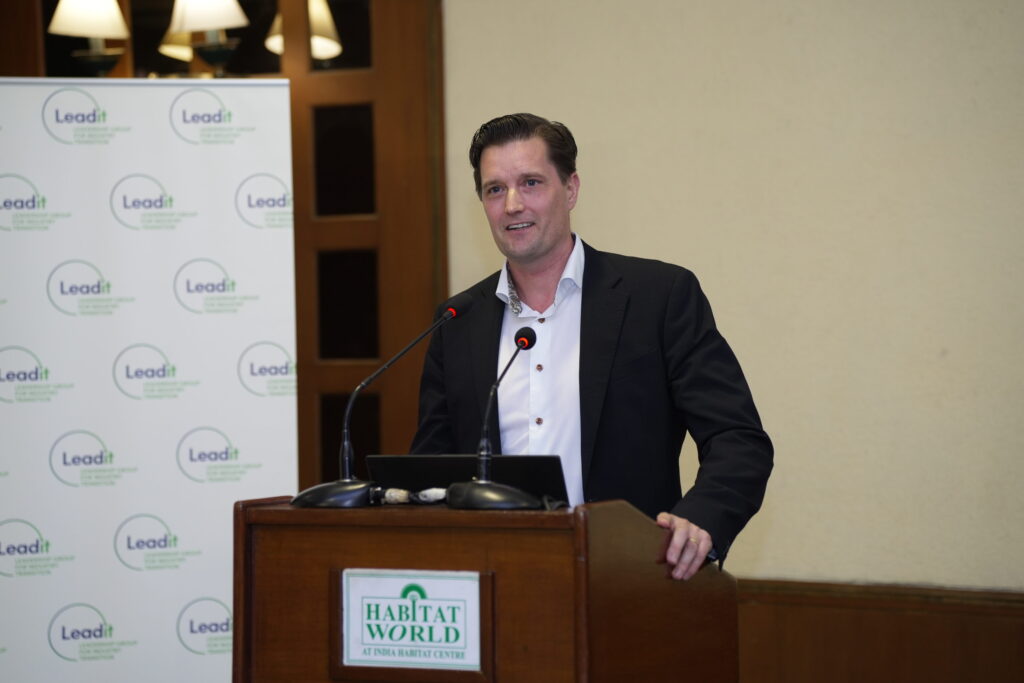
Low carbon technologies for industry transition: ITP Project update event
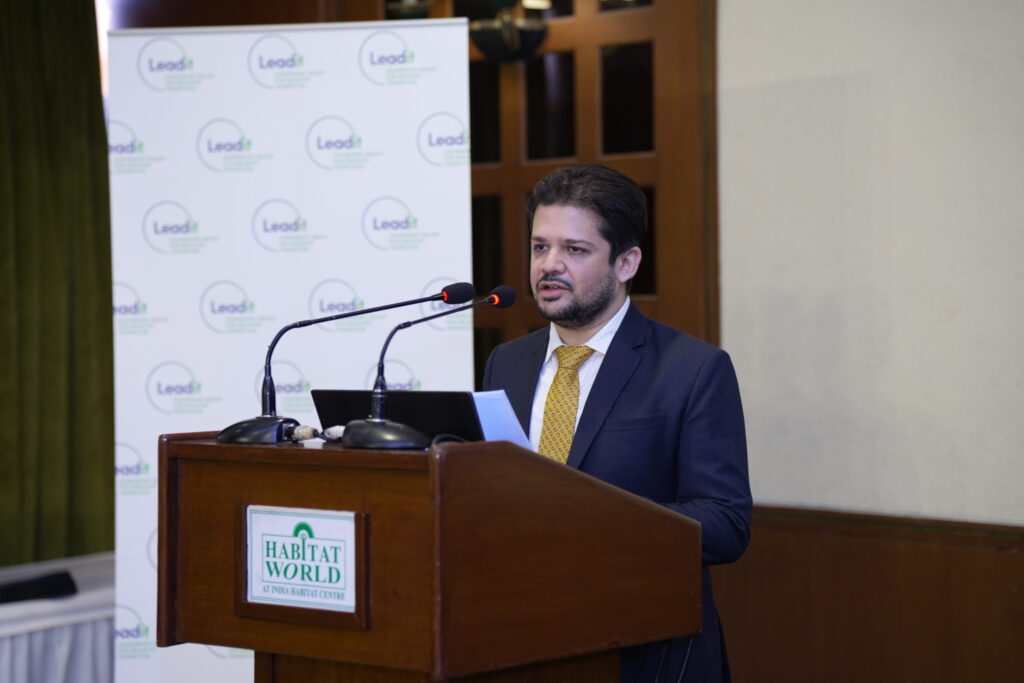
Aneesh Jain, India lead, LeadIT
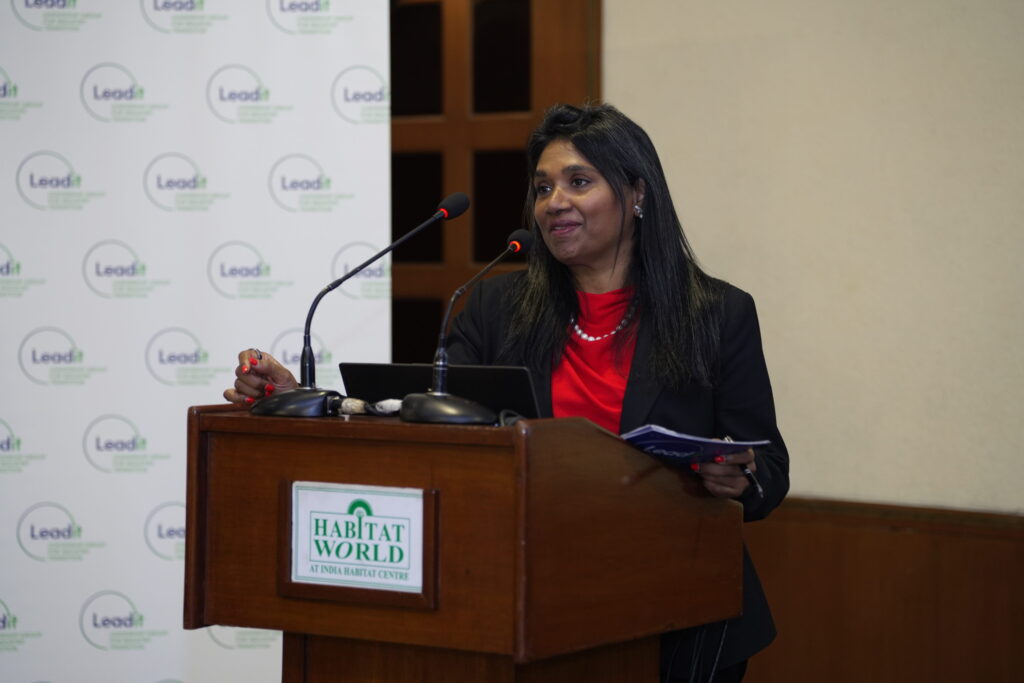
Arati Davis, Business co-development lead, LeadIT
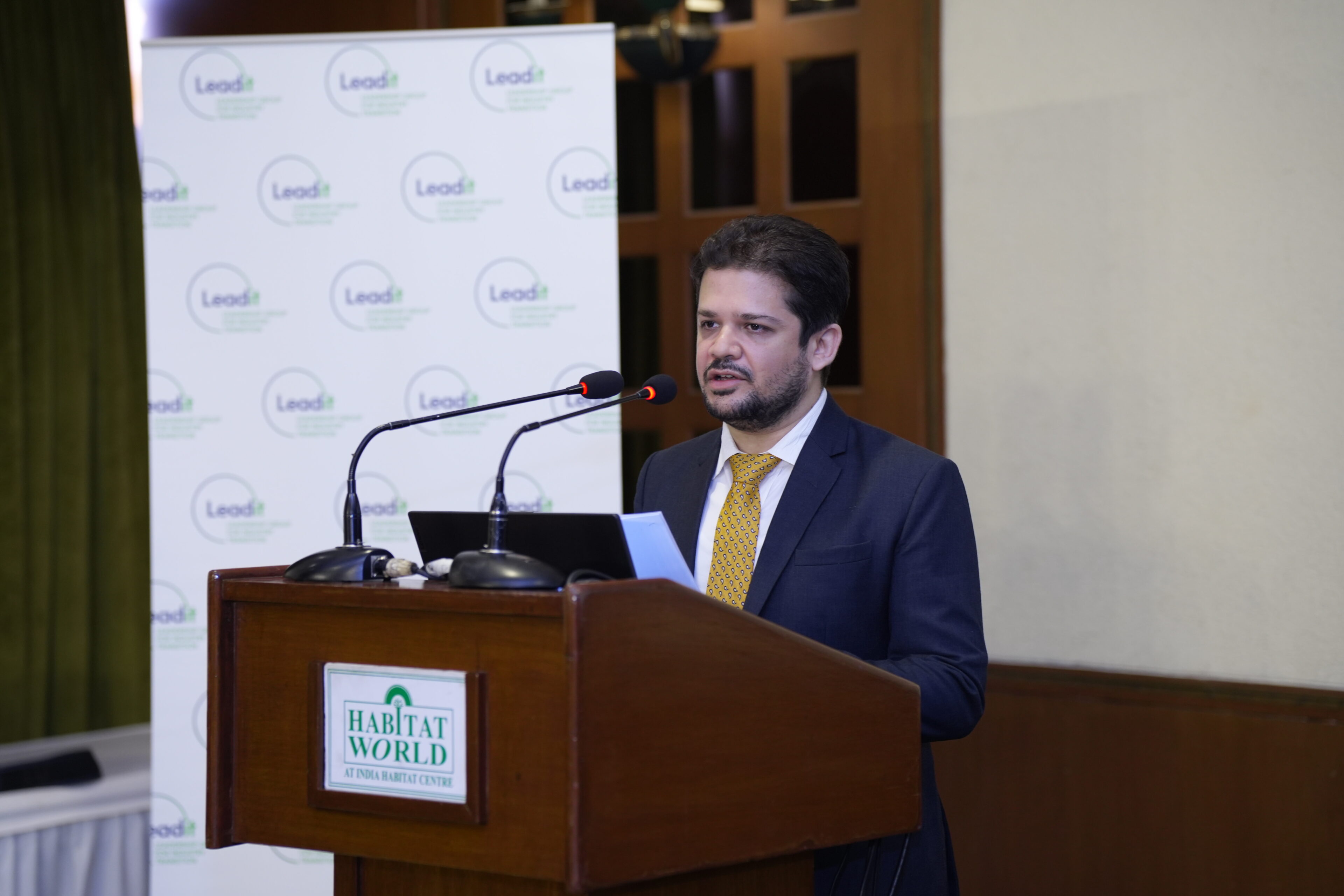
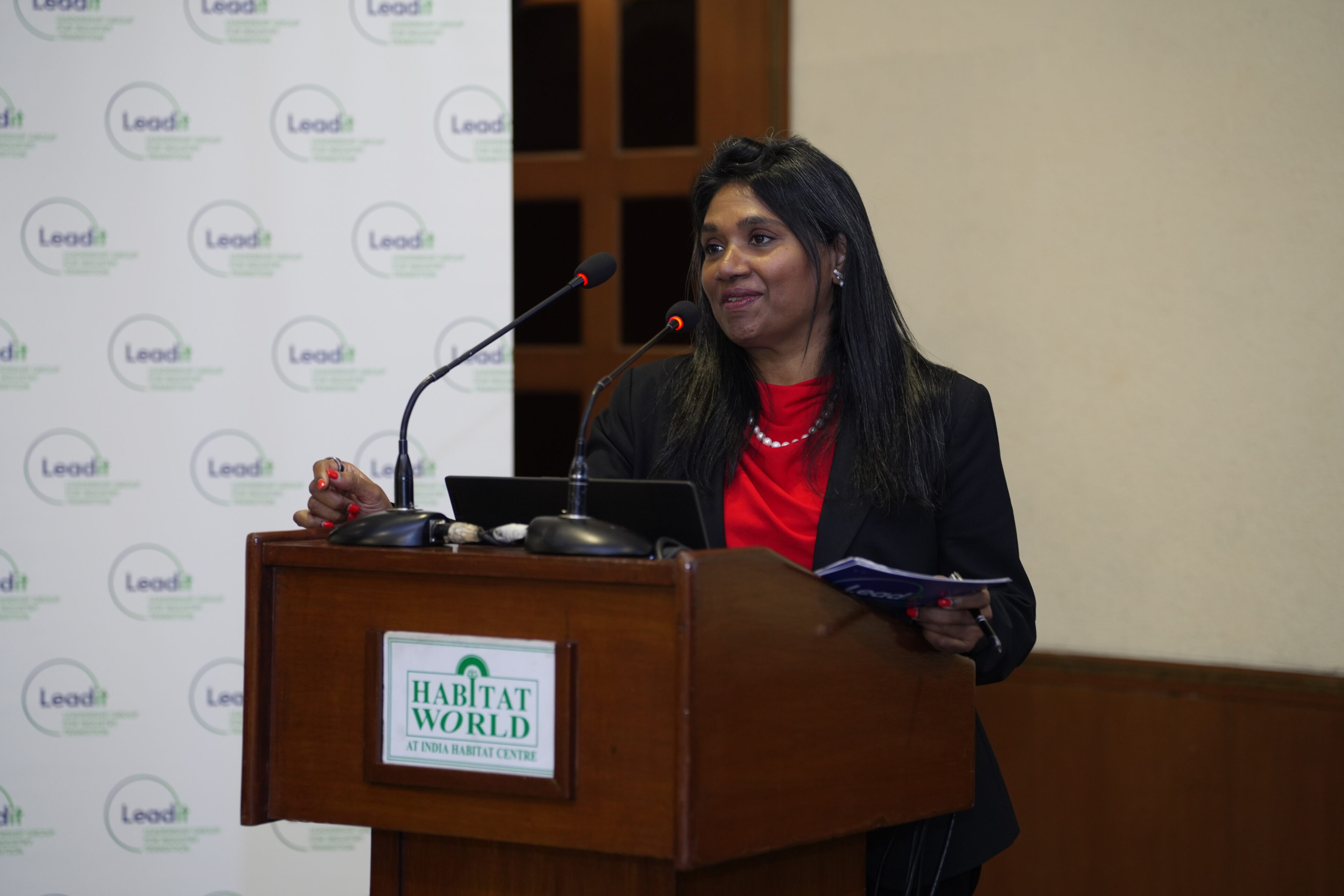
Project update highlights
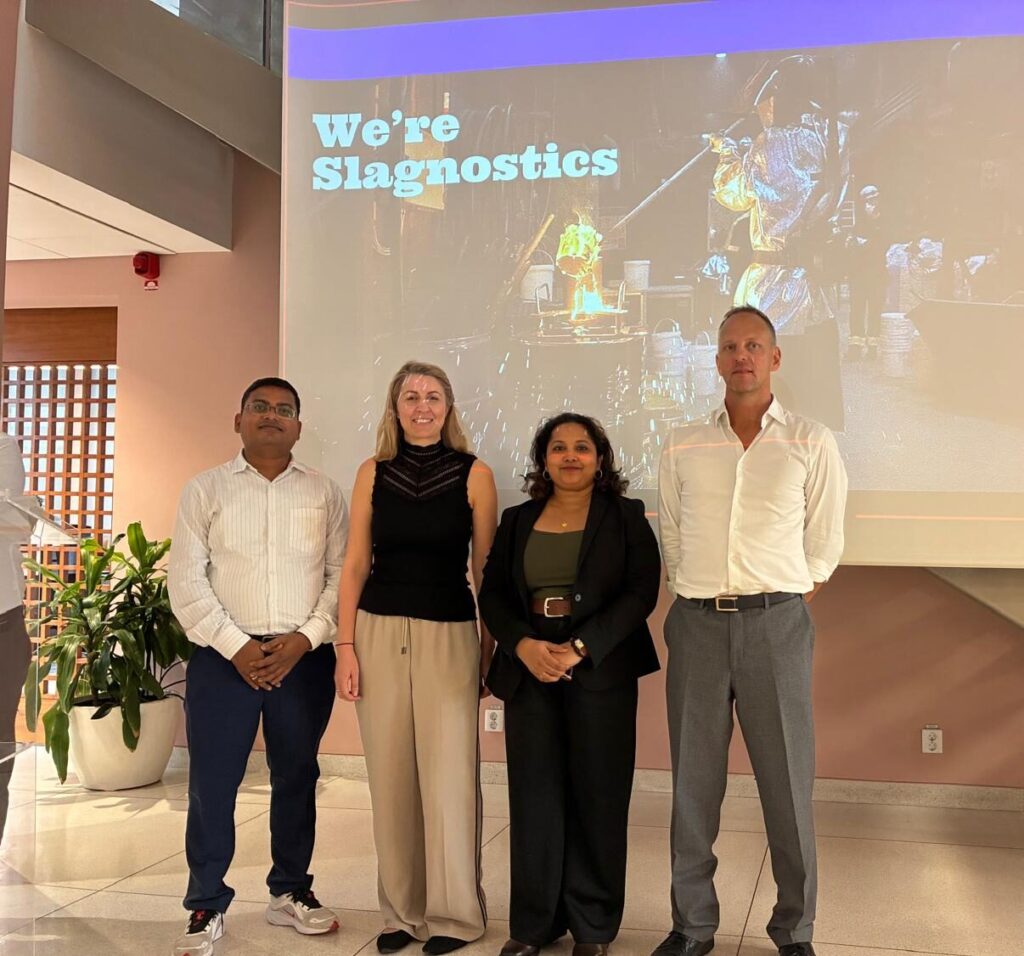
Cemvision/Tata Steel/JK Cement
Cemvision and Tata Steel are exploring how industrial symbiosis and cross-industry circularity can turn steelmaking waste into valuable resources. Cemvision’s innovative process, turns low-grade slag into an input for low-carbon cement production, and also recovers metals that can be returned to steelmaking.
More than 100 kilograms of LD slag from Tata Steel has been shipped to Sweden and successfully processed and valorised, demonstrating its potential as a reusable resource rather than a waste product. The next step is to test the recovered materials. JK Cement will test the upgraded slag for cement production, while Tata Steel will assess the recovered metals for potential reuse in steelmaking.
Ecometrix/Prism Johnson/ Datta Meghe College of Engineering
This project involves using an AI platform (Acorn) to create recipes for ready-mix concrete that use less cement, resulting in a direct emissions reduction of around 10% and a further indirect impact of approximately 30%. Work to adapt the AI platform to reflect the diversity of raw materials and production methods used in India is ongoing. The next step will be to finalise pilot specifications for use within three of Prism Johnson’s ready mix concrete batching plants.
EcoTech Nordic Group/Ambuja Cement/IIT Bombay
This is a feasibility study for establishing an integrated CO2 capture and utilisation (CCU) unit at a cement industry facility. Ambuja is the industrial host and will provide plant operating, emission, and electricity data, as well as cost and reliability requirements. The analysis framework has been built by EcoTech Solutions, and the next stage is the full data analysis. The partners are now exploring a reduced-scope assessment using priority data while seeking an extension to April 2027 to complete more extensive feasibility work.
Next steps
The projects have now all moved beyond their initial launch and are beginning to generate insights into the technical, economic, and practical conditions needed to deploy low-carbon technologies at scale. The discussions in Delhi allowed partners to share those early lessons and consider future developments in the work.
The LeadIT community is proud to see the progress of the Indo Sweden partnership projects. These projects have showcased that the ITP is indeed a unique and impactful platform, demonstrating that the framework of cooperation built by the two countries can enable progress on tangible projects.

Rajasree Ray
Senior Economic Advisor, Ministry of Environment, Forest and Climate Change (India)
The commitment of Prime Ministers Modi and Kristersson to move from words to action is reflected in the growing cooperation under LeadIT and the India–Sweden Industry Transition Partnership. As LeadIT enters its next phase, our ambition is to build on these partnerships, bring more countries and companies into the transition, and turn successful industrial pilots into solutions that can be scaled and replicated globally.

Agnes Julin
Minister Counsellor and Deputy Head of Mission at the Embassy of Sweden in New Delhi, India
All seven projects will continue their work to determine which could, with the right funding, take the next step to pilot or demonstration scale. For LeadIT, the ambition is ultimately bigger than these seven projects. Their findings will help with the greater challenge of accelerating sectoral transition in India, but they can also signpost new ways for international cooperation to deliver real projects and real emissions reductions across the globe.