



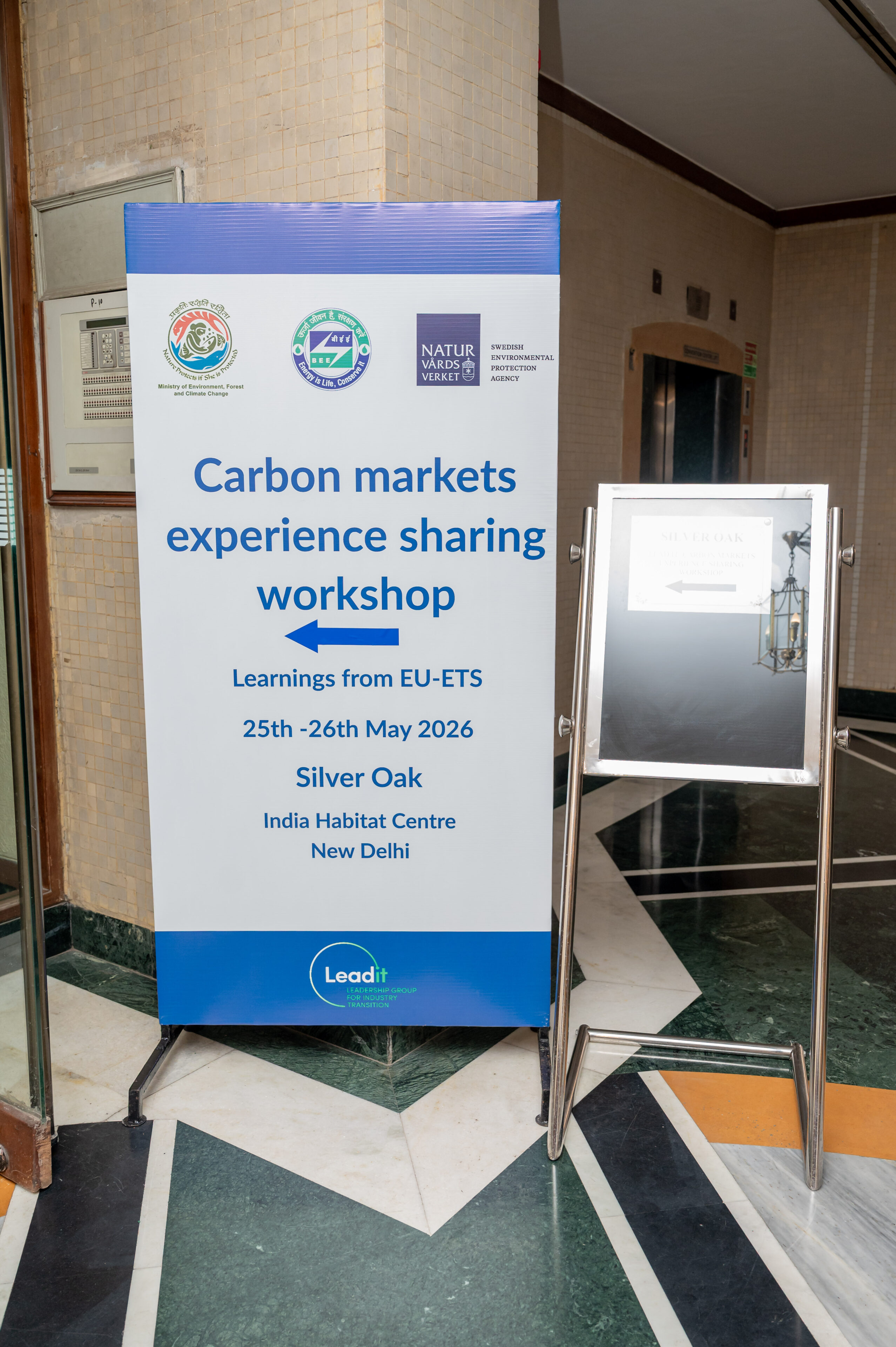
Carbon markets and emissions trading systems are increasingly being used around the world to encourage heavy-emitting industries to reduce emissions while remaining competitive. For business leaders, there is a vital need to understand how these measures affect their operations, and this workshop was convened to support companies and address knowledge gaps.
Key objectives
- Explore how India’s Carbon Credit Trading Scheme (CCTS) and the EU Emissions Trading System (EU ETS) work in practice, including how emissions are measured, verified, and regulated – highlighting both similarities and important differences between the two systems.
- Share lessons and real-world experiences from the EU ETS, one of the world’s largest carbon markets including lessons about implementation for other regions.
- Identify opportunities for collaboration between India and the EU to support industrial decarbonization, strengthen climate policy alignment, and facilitate trade. This includes discussions around the Carbon Border Adjustment Mechanism (CBAM), which could have major implications for global industries and exports.
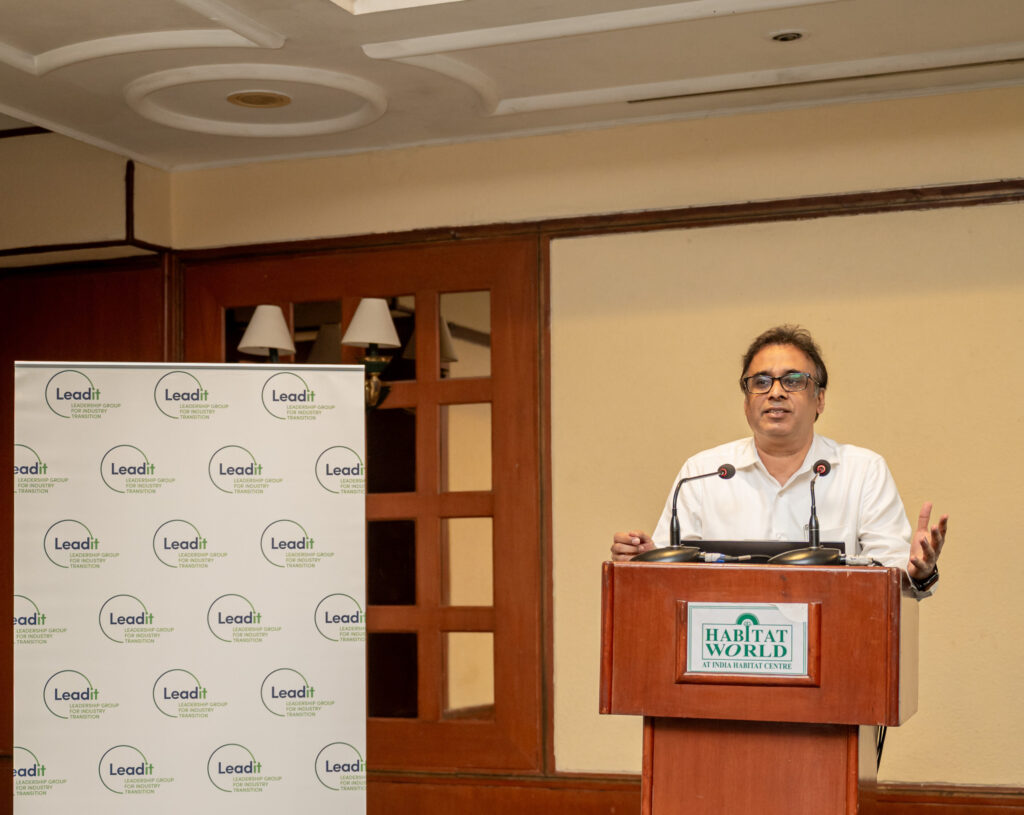
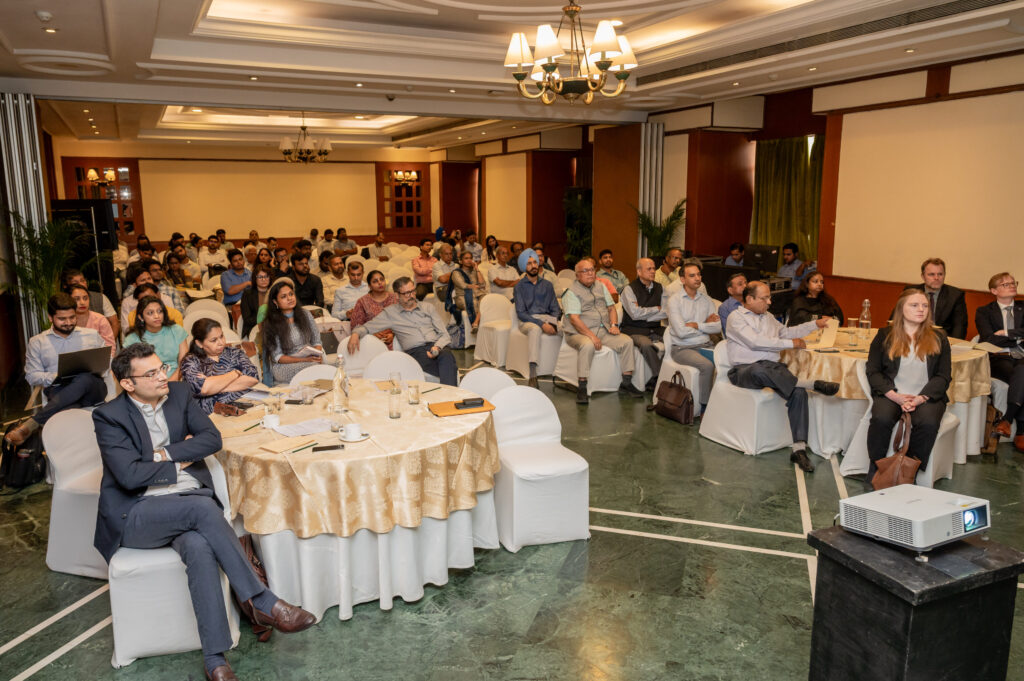
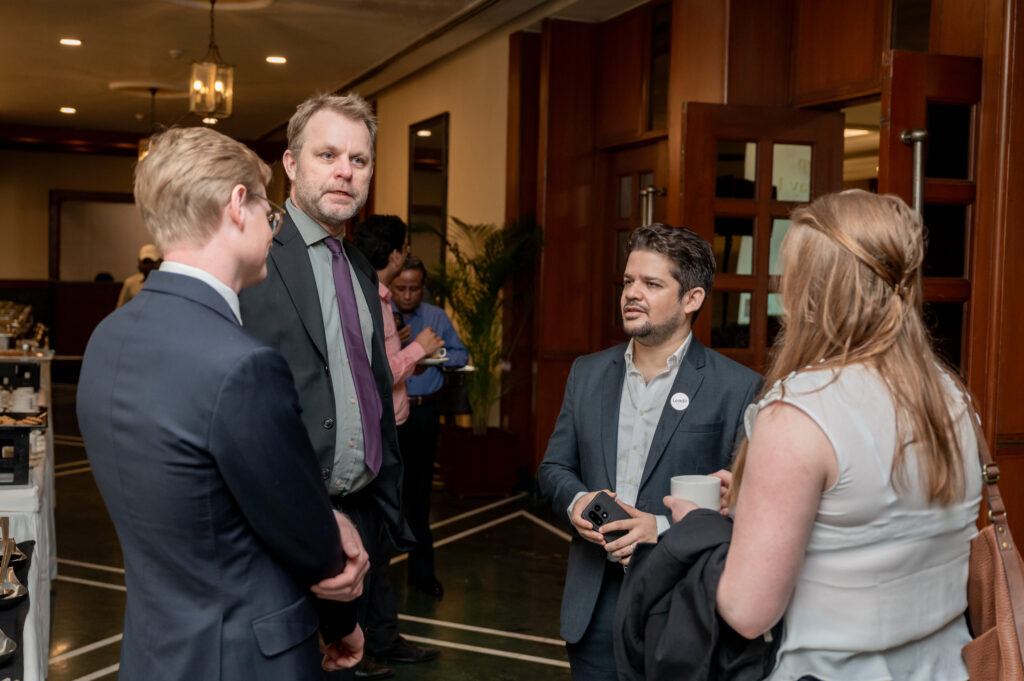
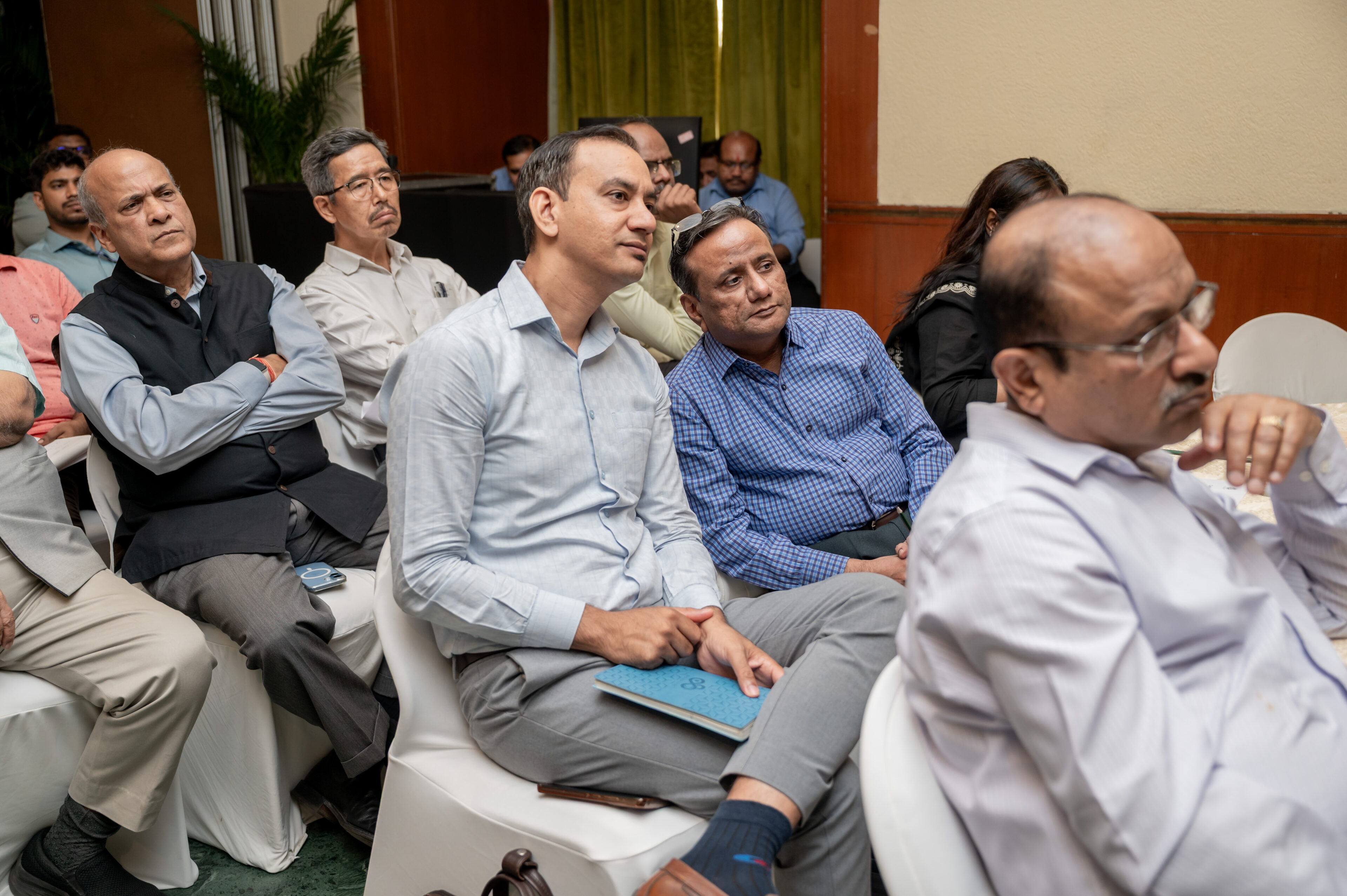
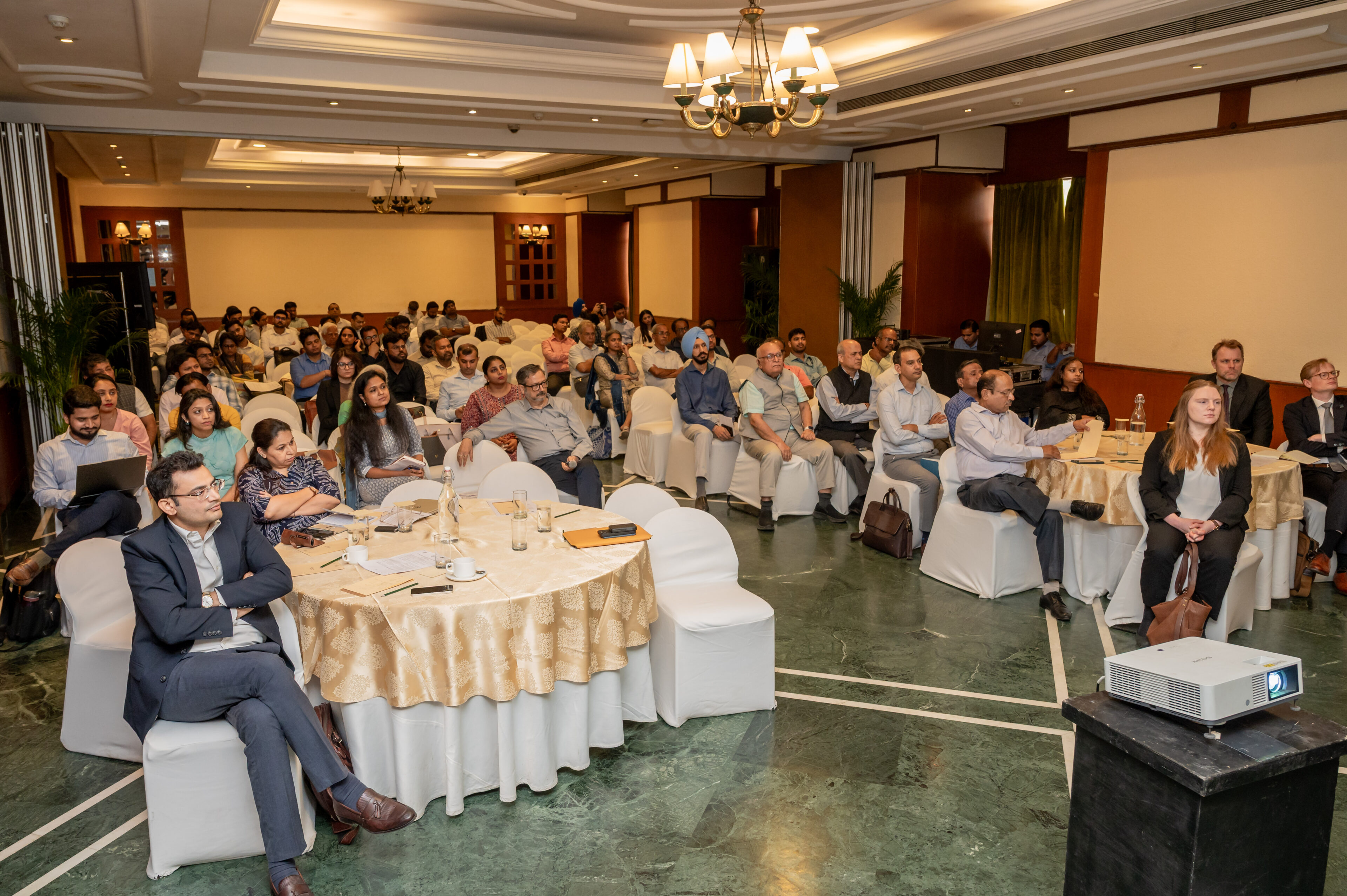
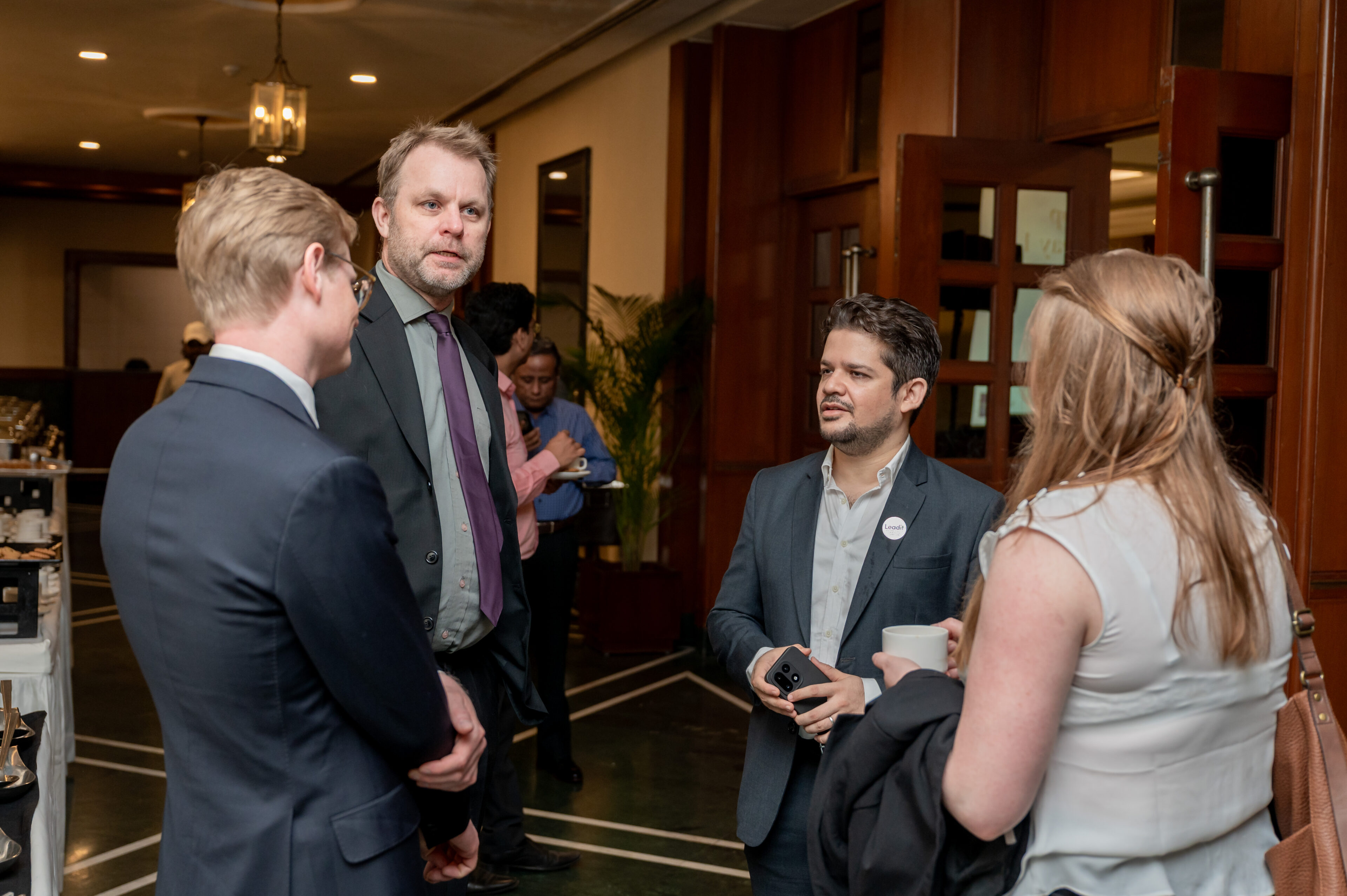
The carbon markets experience sharing workshop was organised under the LeadIT platform in association with BEE and Swedish EPA, guided by MoEFCC, to share an overview of India's CCTS mechanism and to share experiences from the EU-ETS. The participants included obligated entities, potential accredited carbon verification agencies and other carbon market stakeholders. The workshop provided key insights such as the role of free allocations and the market stability mechanism of the EU-ETS, linkages between the ETS and CBAM, MRV methodologies and experiences of verification agencies.
Saurabh Diddi
Director, Bureau of Energy Efficiency
India’s Carbon Credit Trading Scheme (CCTS)
The workshop began with an introduction to India’s CCTS and an overview of its operations by the Bureau of Energy Efficiency (BEE). The compliance mechanism under this scheme covers mandatory emissions reductions in nine sectors – aluminium, cement, paper and pulp, petrochemicals, chlor-alkali, fertilizers, refineries, textiles, iron and steel. The regulatory framework has been developed by a national committee led by the Ministry of Power and the Ministry of Environment, Forest, and Climate Change. In addition to compliance, the CCTS includes offset mechanisms (voluntary, project-based reductions). Ten sectors have been identified as eligible offset activities, and projects under the offset mechanism need to have started by January 2025.
European Union Emission Trading Scheme (EU-ETS)
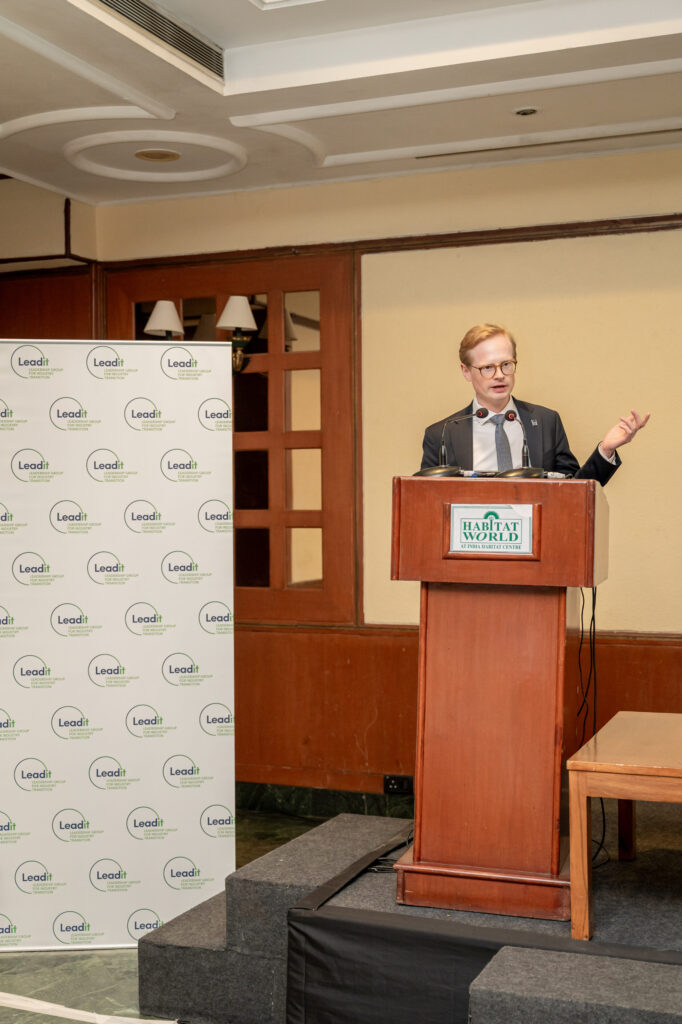
Representatives from the Swedish Environmental Protection Agency (EPA) presented the EU trading scheme and explained how it is governed by a rulebook, consisting of monitoring and reporting regulations. The EU ETS is the world’s first and largest “cap and trade” carbon market designed to lower overall emissions to meet the EU’s climate goals. The “cap” refers to the limit on greenhouse gases imposed on entities and the “trade” refers to the ability to buy or sell emission allowances. It covers emissions from electricity and heat generation, industrial manufacturing, aviation and shipping.
Carbon Border Adjustment Mechanism (CBAM)
Under CBAM, goods imported into the EU face a charge for emissions to prevent “carbon leakage,” whereby production shifts to countries and regions with less strict environmental regulations.
CBAM works to adjust the difference in carbon pricing between the EU and the importing nations. It applies to cement, iron and steel, aluminium, fertilisers, electricity, and hydrogen. For each type of good, there is a guideline on how to calculate the emissions and to what extent of the production chain should be included in coverage. The Indian CCTS should result in improved data availability and reliability across Indian firms, which will assist them for exports to the EU.
Accreditation and verification measures
Day two of the workshop was a more detailed exploration of accreditation and verification measures, which are critical pillars of any carbon trading scheme to ensure that data reported by companies is robust, accurate, and reliable. The BEE presented guidance to participants regarding the specific minimum eligibility criteria for agencies seeking accreditation for compliance and offset mechanisms within the Indian CCTS. Several potential accrediting agencies that have applied for accreditation to the BEE attended the workshop. The EPA presented the EU guidance document number six, which provides explanatory details on the accreditation and verification rules.
It was an enriching session sharing our experiences with the BEE, Indian industry and carbon market stakeholders. We were happy to see the keen interest of the participants, whose many questions reflect that the carbon market is now a very real thing in India, through the introduction of CCTS. With CCTS, India is on the path to building a credible and impactful carbon market, and by engaging in dialogue like this we are able to improve on our respective systems and learn from each other. We look forward to continuing our engagement with India to build on these synergies.
Olle Palmqvist
Head of Unit, Swedish EPA
Carbon markets experience sharing workshop


Next Steps
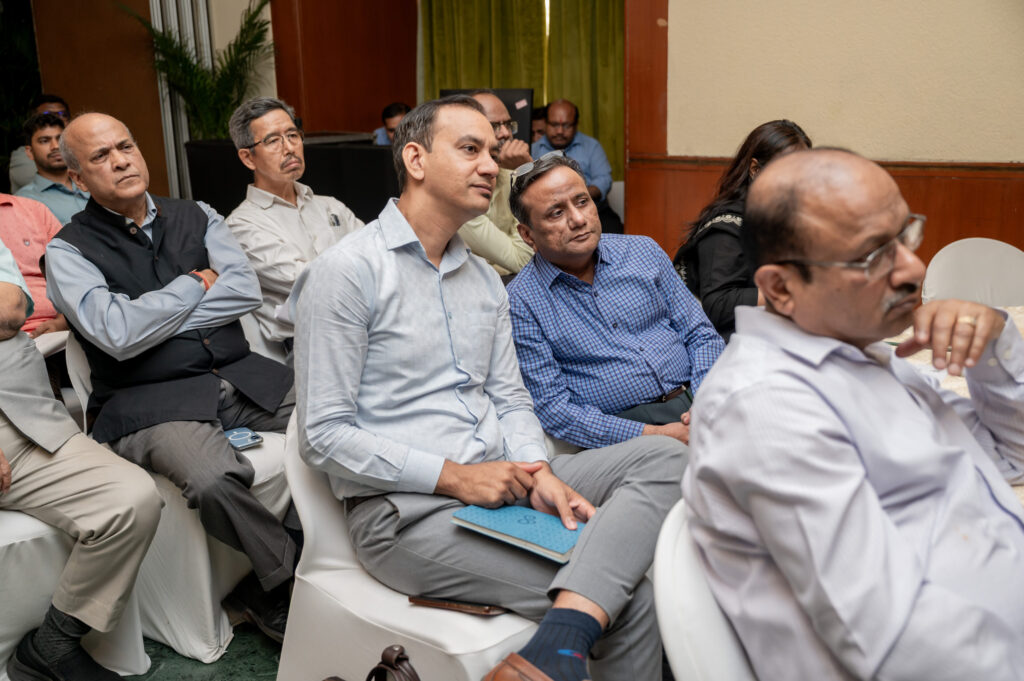
- The workshop saw high level of engagement with specific and focused questions by the participants, on experiences in the EU-ETS, current and future opportunities for collaboration, procedures , and criteria. Carbon markets will continue to be a focus area for the India Sweden partnership under LeadIT With the EU-India FTA in place, climate and trade are increasingly interlinked, thus developing collaboration approaches and interlinkages in the carbon markets will play an important role
- The Bureau of Energy Efficiency (BEE) and the Swedish EPA expressed interest in continuing this collaboration through future exchanges of knowledge and experience.