



The decarbonization of heavy industry is closely intertwined with the decarbonization of transport. Recognizing these interdependencies, the scope of the LeadIT Industry Transition Partnership (ITP) has been expanded with the creation of a new working group on transport. The Group will be co-chaired by representatives from the Indian Ministry of Road Transport and Highways and the Swedish Office of Science and Innovation in India. The work of this group complements the five existing ITP working groups on steel, cement, innovation, finance, and carbon markets.
Bringing together both public and private sector actors, the Working Group will also integrate the ongoing collaboration, under the LeadIT umbrella, between Tata Motors Commercial Vehicles and Volvo Group. LeadIT members Ashok Leyland, Scania, and Mahindra will also join as industry partners, strengthening the initiative’s industry base.
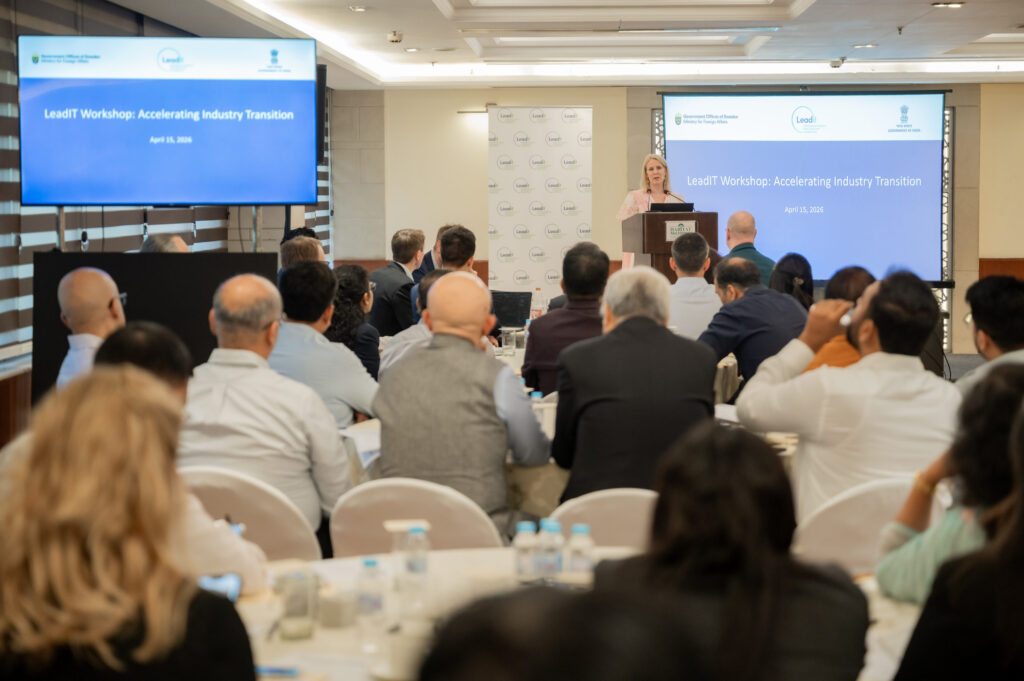
The Working Group was formally launched at the Annual ITP Summit “Accelerating Industry Transition” workshop held in New Delhi. Its detailed scope and mandate, including a 2026 work plan and priority thematic areas, will be defined in the coming months.
We warmly welcome the Ministry of Road Transport and Highways (MoRTH) into the LeadIT family. The science on climate change is clear – we need to move fast. The establishment of a LeadIT Working Group on Transport provides further opportunities for win-win collaboration.

Cecilia Tall
Head of the Office of Science and Innovation, Embassy of Sweden in India
Why Industry and Transport Must Work Together
Collaboration between industry and transport is pivotal to achieving decarbonization goals, both for the goals of the ITP and for India’s broader transition ambitions. Key areas of alignment include:
- Supply chains and Scope 3 emissions
Heavy industries depend heavily on transport for distribution. Integrating transport into the ITP helps address indirect emissions across value chains (Scope 3). - Clean energy technology synergies
Heavy industry and transport rely on many of the same breakthrough technologies, particularly green hydrogen, to reach net-zero targets. These technologies are already central to existing ITP workstreams. - Demand for green products
Transport companies are major consumers of industrial products such as steel. Their inclusion brings a critical demand-side perspective to the ITP.
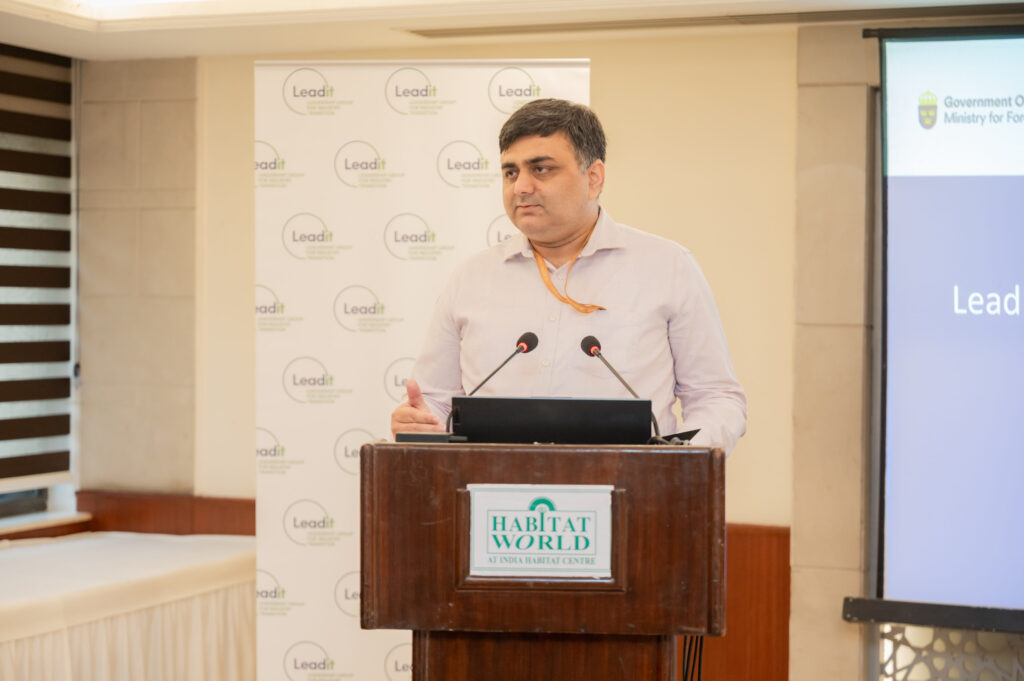
The economic importance of mobility, combined with our rising urbanisation, makes the decarbonization of transport a real necessity in India. Under the LeadIT Working Group for Transport, we look forward to exploring technology demonstration opportunities.
Mayank Tyagi
Director, Ministry of Road Transport and Highways, Government of India
Objectives of the Transport Working Group
Aligned with the broader goals of the ITP, the Transport Working Group will bring together key Indian ministries, Swedish counterparts, and industry leaders in a structured, action-oriented platform to accelerate the deployment of low-carbon transport solutions in India. Through strengthened collaboration across OEMs, suppliers, and value chain partners, the group will drive industry engagement, identify pilot and demonstration projects with clear pathways to scale, and help align policy ambition with on-the-ground delivery.