


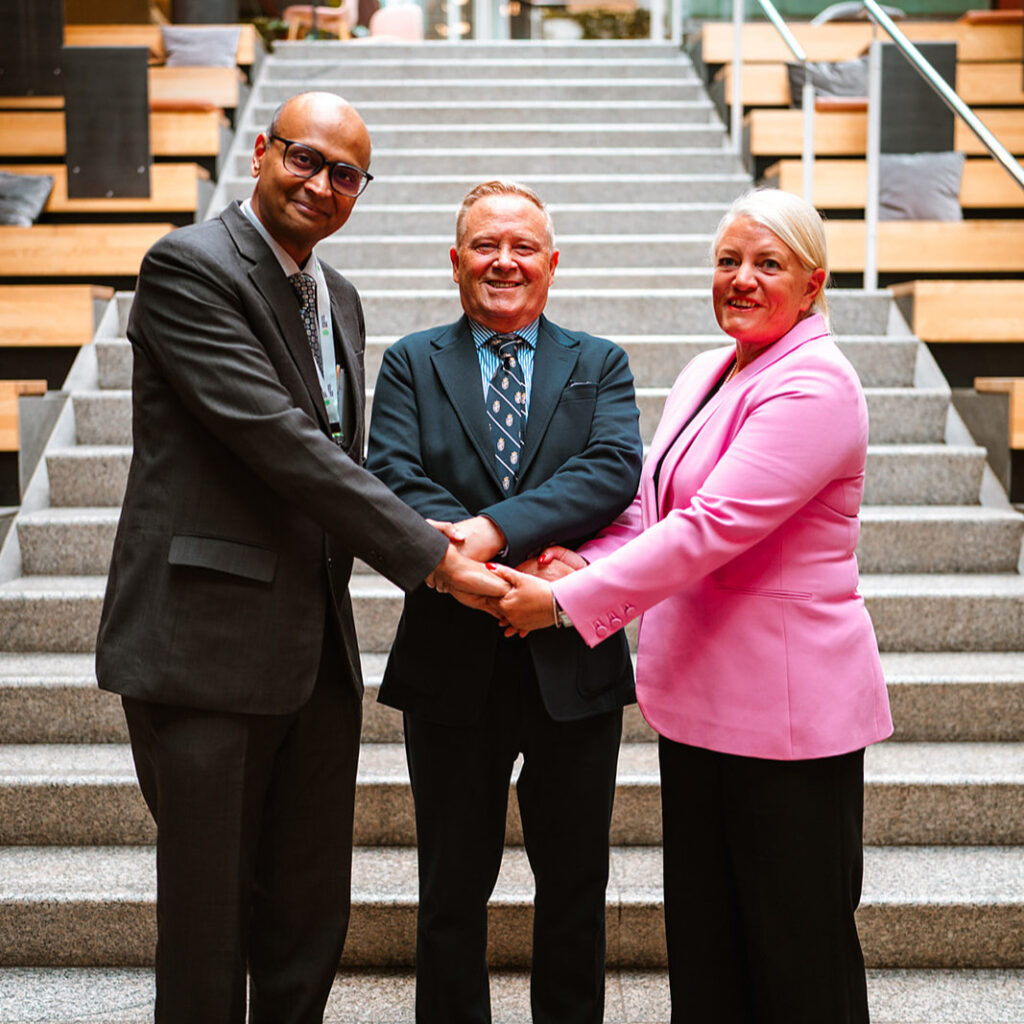
Iceland was formally welcomed as the 19th member country of LeadIT at the third India-Nordic Summit in Norway. By joining LeadIT, Iceland becomes part of a growing coalition of 19 countries, including co-chairs India and Sweden, alongside Nordic neighbours Finland and Denmark, and 32 member companies working together to accelerate the transition to low-carbon industry.
In a joint statement issued after the Summit, the Prime Ministers of Sweden, Norway, Finland, Denmark, Iceland, and India, underlined the need for sustained multilateral action to address the global challenge of climate change.
The leaders recognize the Leadership Group for Industry Transition (LeadIT2.0) as an important platform for public-private collaboration on low-carbon industrial transition in hard-to-abate sectors and welcomed its expanded membership in the Nordics with Iceland as its new member.
Joint Statement: 3rd India-Nordic Summit, Oslo, 19 May 2026
Iceland’s net zero journey
Iceland aims to achieve carbon neutrality before 2040 and to cut greenhouse gas emissions by 40% by 2030 under the Paris agreement. It has a climate action plan which includes 150 actions across all sectors of the economy to reach this goal.
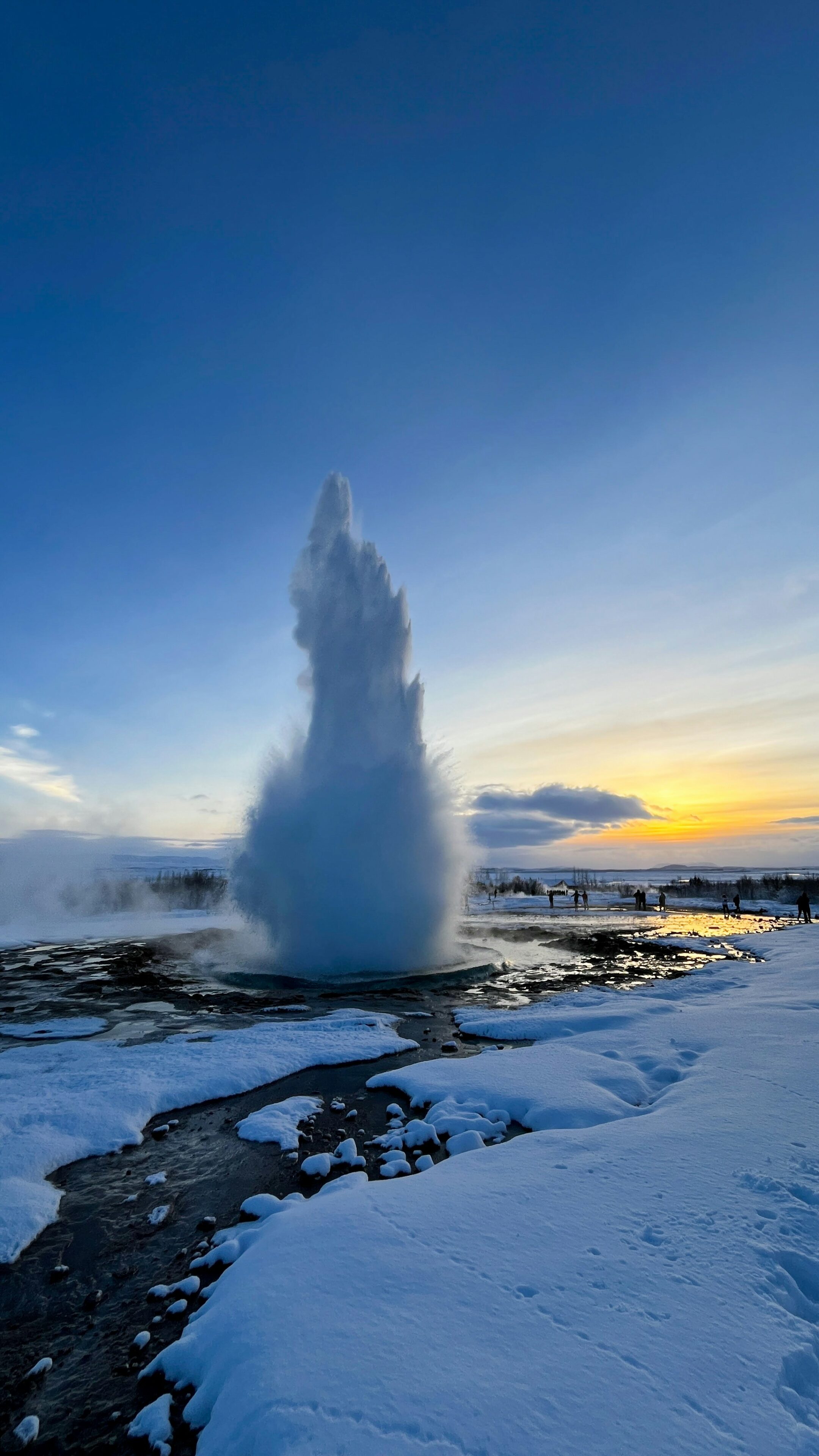
In the words of its own Government, Iceland‘s emissions profile is in many ways unusual since it has already transitioned its grid to 100% renewables. In the 1970s, Iceland was heavily dependent on imported oil and coal, but now all its electricity generation is free from fossil fuels. Around two-thirds is from hydropower, and the remaining third from geothermal sources. The country’s unique geography, sitting on an active volcanic zone and with numerous large glaciers, gives it abundant sources of natural heat and running meltwater for renewable energy. Geothermal district heating is the norm in Iceland, and 90% of homes are heated by hot water pumped through highly insulated pipeline networks directly to cities like the capital, Reykjavík.
Decarbonization priorities
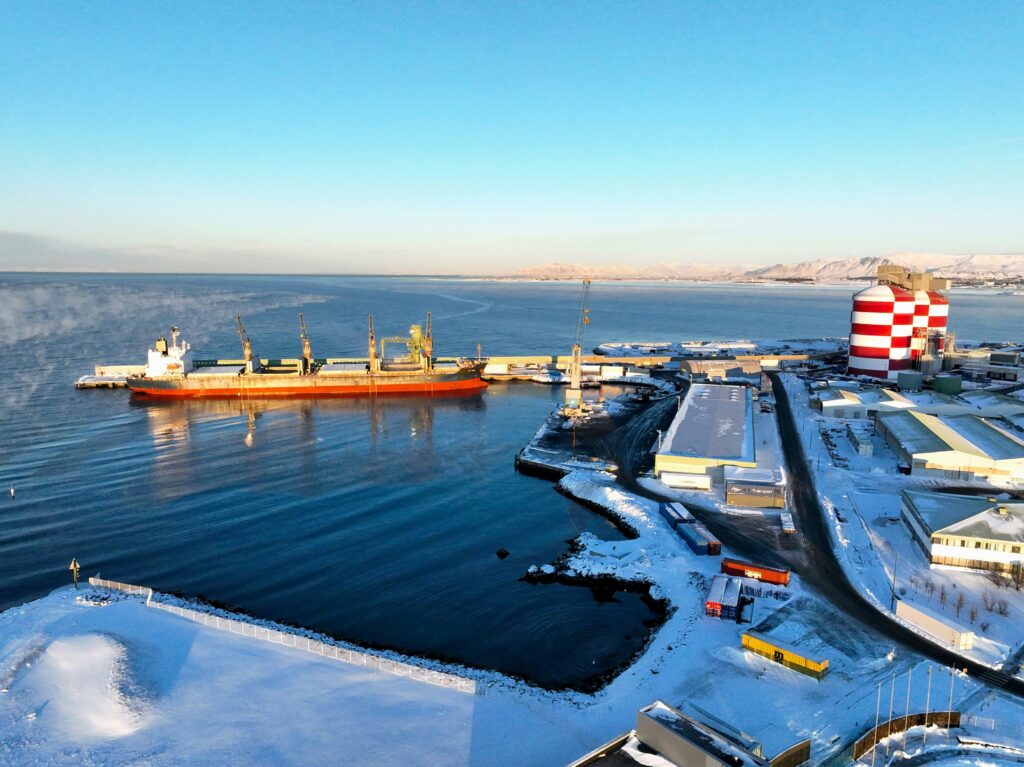
The largest sources of emissions in Iceland (outside land use) are industrial processes, road transport, agriculture, fisheries, and waste management. The country is one of the world’s biggest producers of aluminium, and this sector, alongside fishing and tourism are the main pillars of Iceland’s economy.