



Context
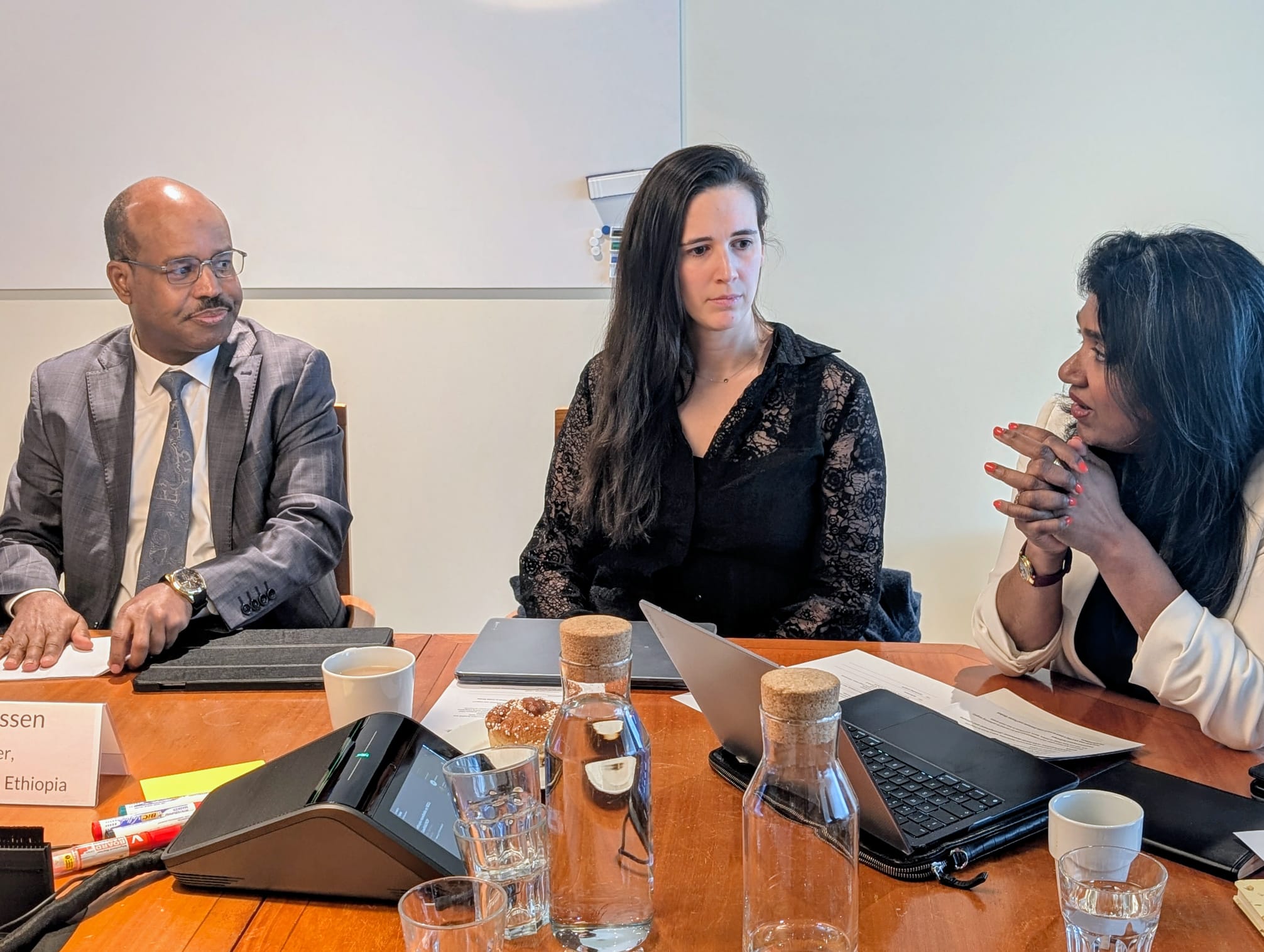
As a long-standing member of LeadIT, Ethiopia has demonstrated a strong commitment to the Paris Agreement, and last September published its updated NDC (Nationally Determined Contribution) climate targets. The country has committed to a 70.3% reduction in greenhouse gas emissions by 2035 relative to business-as-usual by 2035. To explore potential pathways for implementation within Ethiopia’s industrial sectors, LeadIT convened a roundtable in Stockholm with the Ministry of Industry, the United Nations Development Programme, and researchers from SEI.
Session objectives
• Strategic Dialogue: Explore how Ethiopia’s industrial development strategy aligns with its NDC and long-term decarbonisation pathway.
• Development & Just Transition Lens: Discuss how green industrialisation can support employment, competitiveness, and inclusive growth.
• Develop a shared pathway for collaboration leading toward COP32 in Addis Ababa)
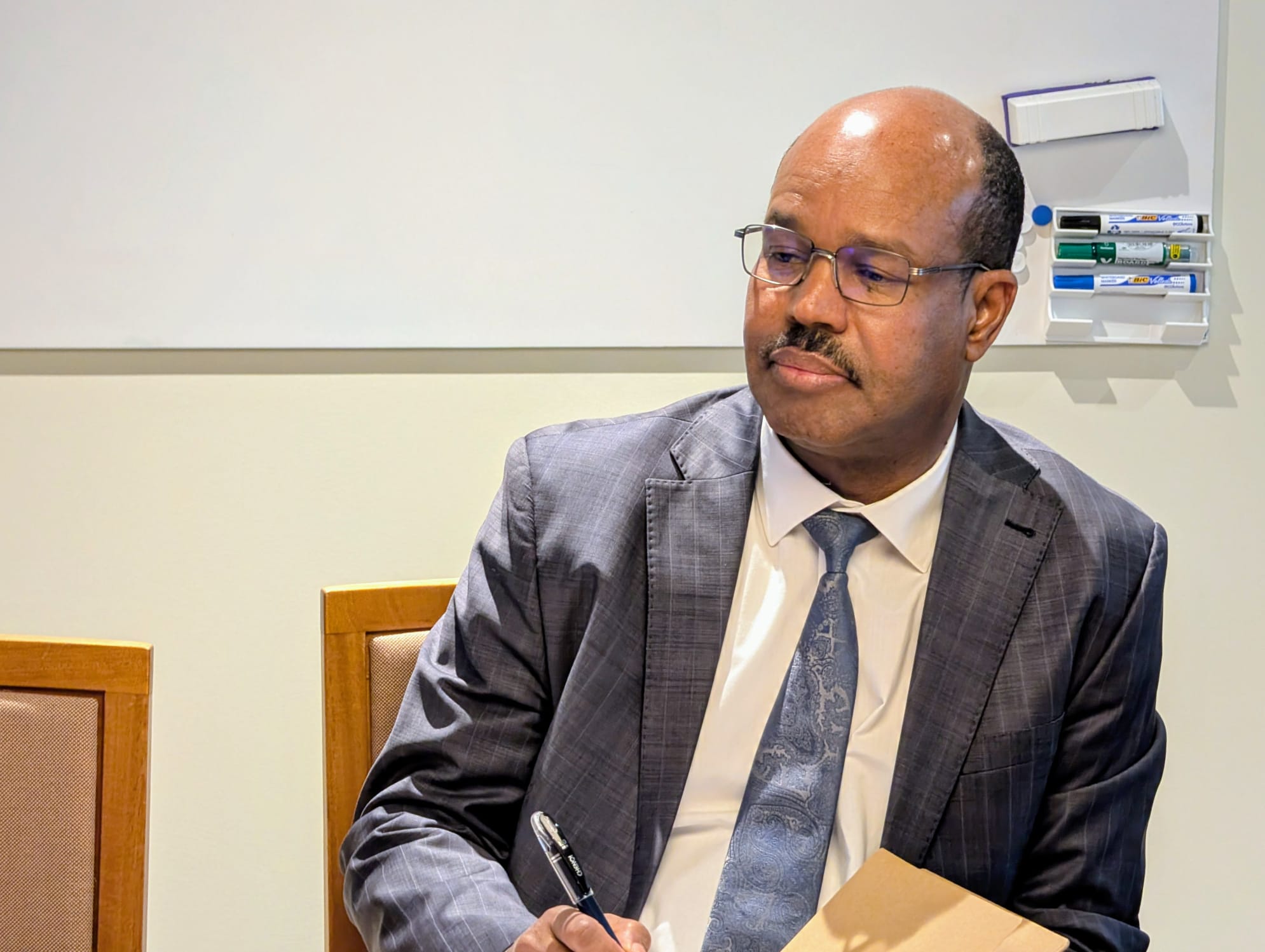
In his keynote address, the Ethiopian State Minister of Industry, H.E. Ato Hassen, outlined his government’s unwavering commitment to climate resilience, industrial development, and social equity.
We are here at a defining moment in history. A moment where the choices we make today will echo across the generations….we need a new trajectory, one that will harmonize economic ambition with environmental responsibility. For Ethiopia, this is not a distant vision; it is an urgent reality. The global transition to low carbon development is not merely a challenge to navigate but also an opportunity to redefine competitiveness and to build an economy that is not only productive but also resilient.
Hassan Mohammed
State Minister, Ministry of Industry, Government of Ethiopia
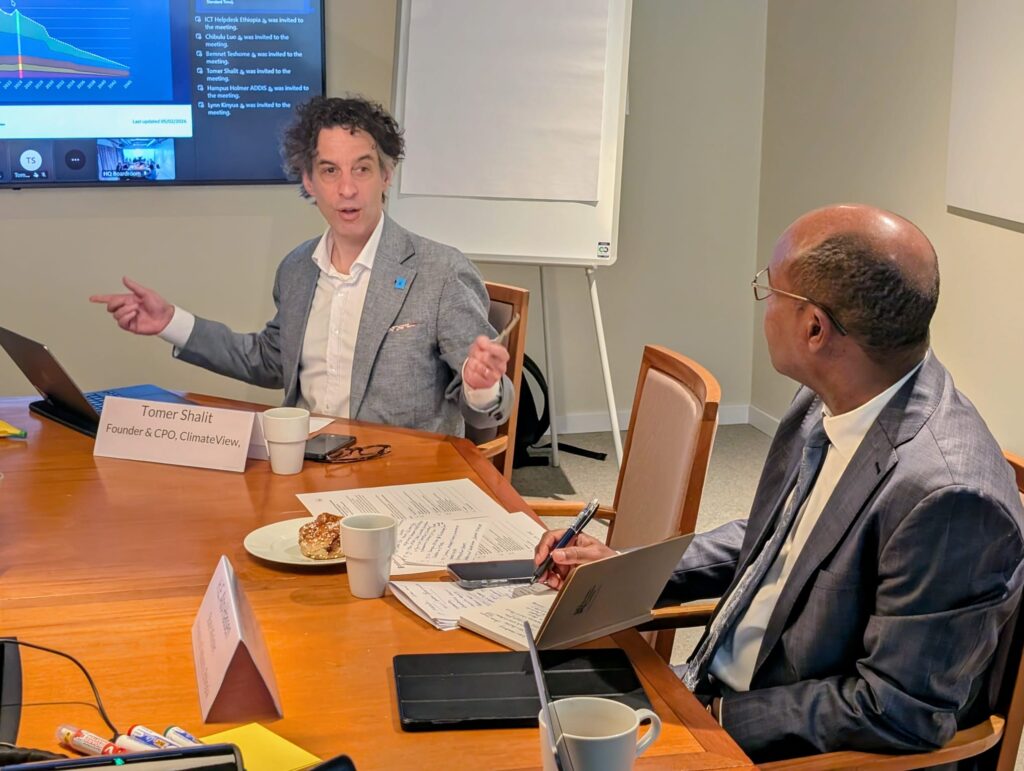
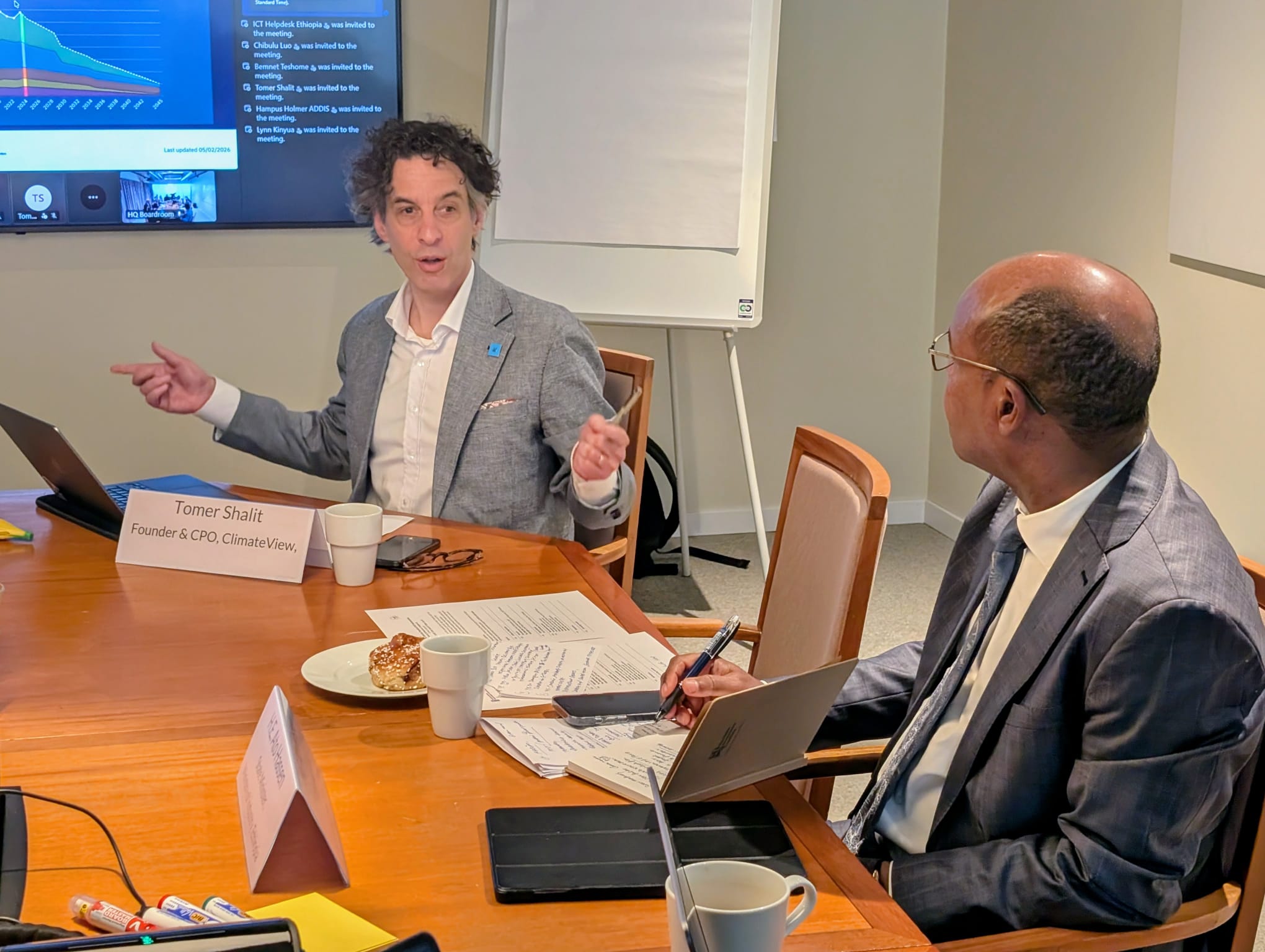
Tomer Shalit, CPO & Co-Founder ClimateView and Hassan Mohammed, State Minister, Ministry of Industry, Ethiopia. Photo…
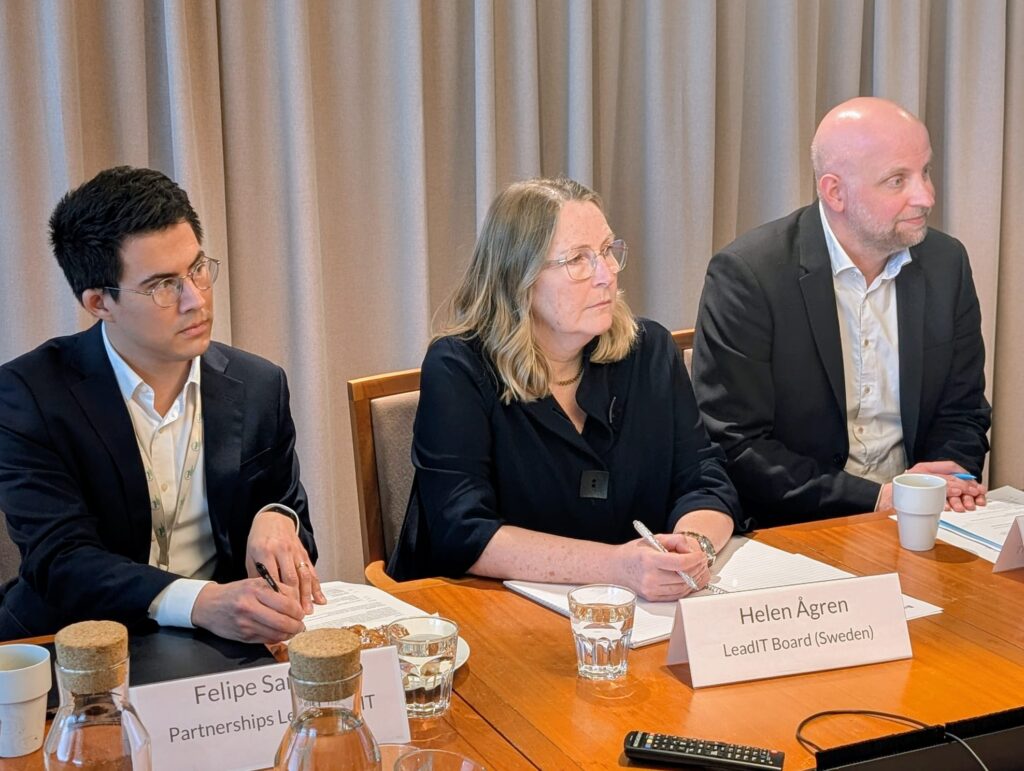
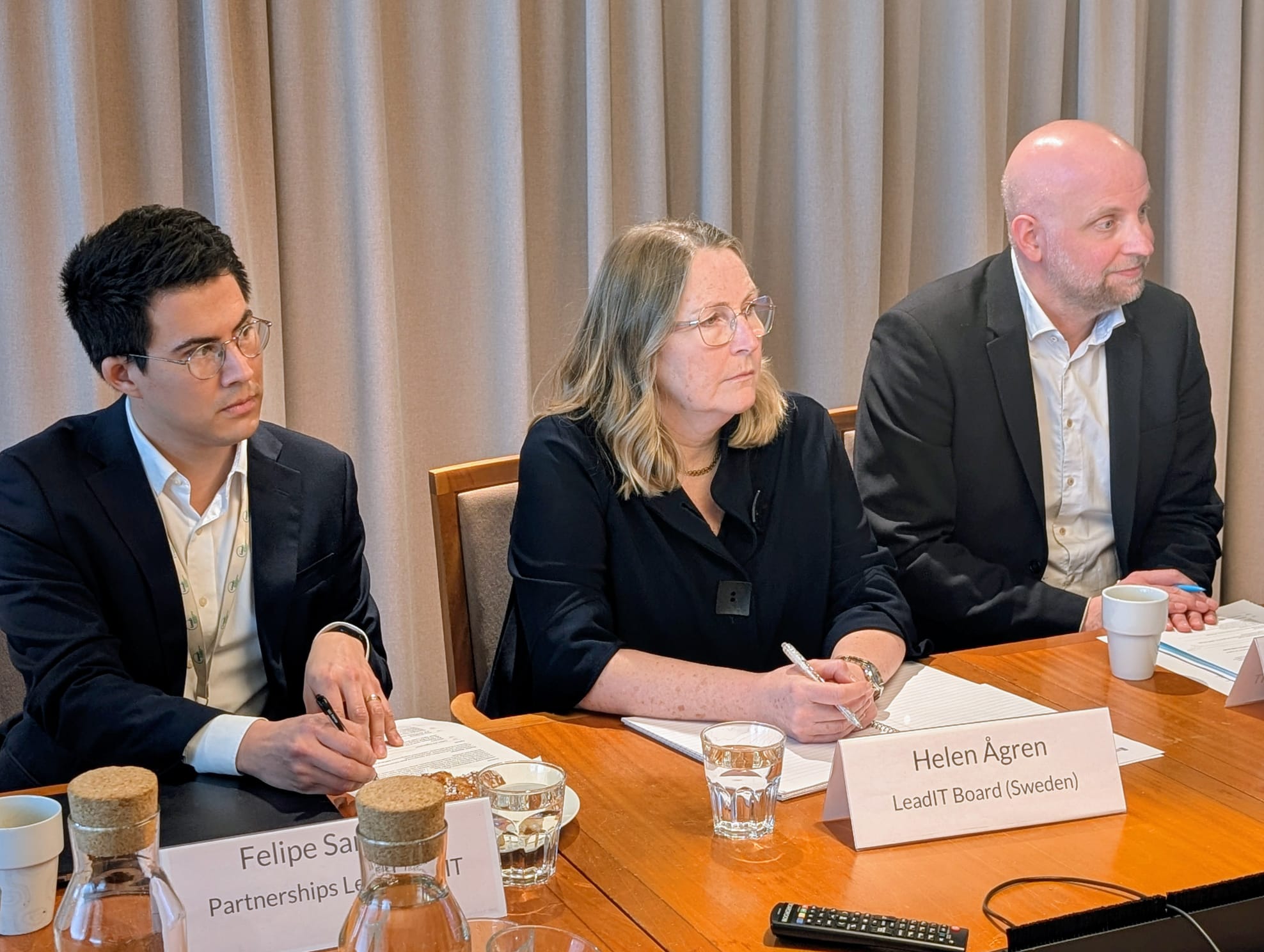
Felipe Sanchez, Partnerships Lead, LeadIT; Helen Ågren, LeadIT Board (Sweden); Per Andersson, Head of Secretariat…

Caroline Aberg, Deputy Director UNDP Nordic; Felipe Sanchez, Partnerships Lead,LeadIT, Helen Ågren, LeadIT Board; Per…
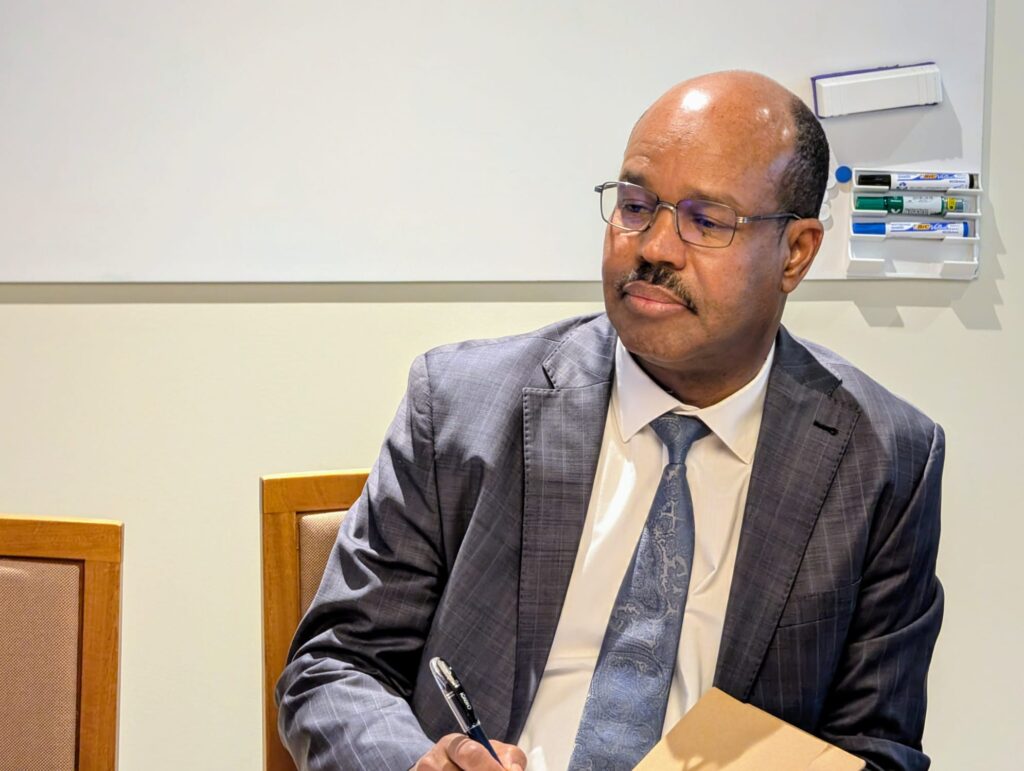
Hassan Mohammed, State Minister, Ministry of Industry, Ethiopia. Photo: Jane Birch/LeadIT
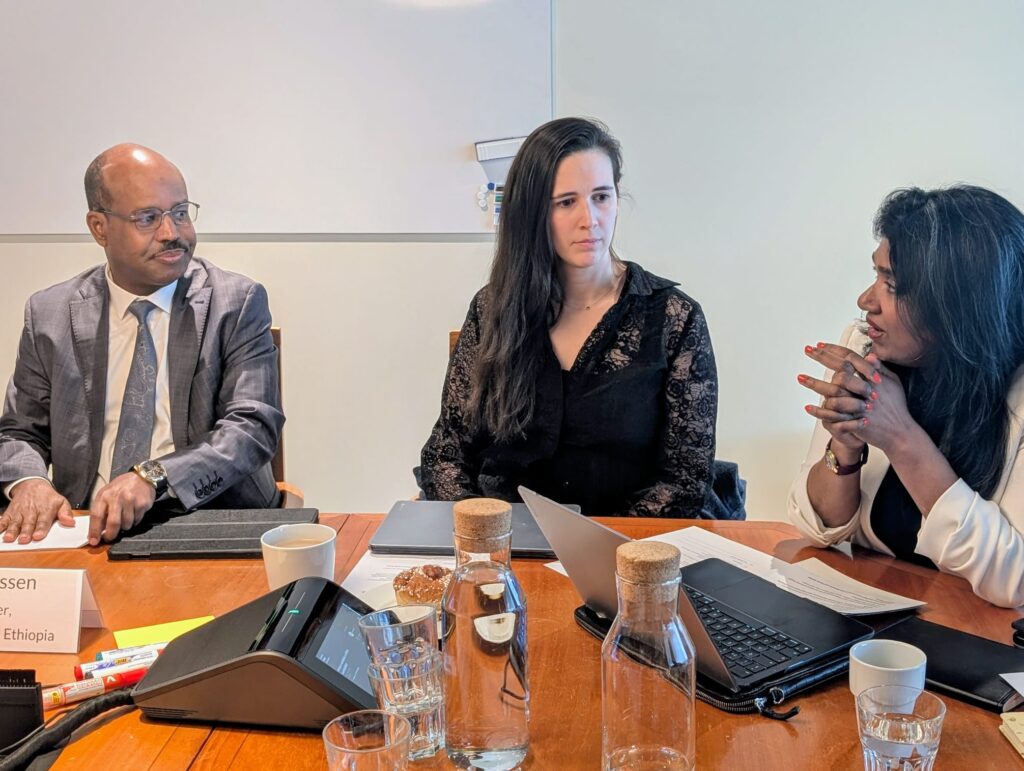
Minister Hassan Mohammed; Nina Miller, Partnership Manager, SEI; Arati Davis, Business Co-Development Lead, LeadIT…

Aligning climate goals with growth
Ethiopia’s NDC framework aligns with the country’s Ten-Year Development Plan to provide a coherent pathway to scale both climate mitigation and adaptation, whilst at the same time advancing the country’s development agenda. Achieving these goals will need coordinated support from strategic partners, and during the roundtable discussion, participants explored potential priorities. Ethiopia has identified partnerships in the areas of policy and investment, technological cooperation and innovation as the most critical.
This year, Sweden and Ethiopia are celebrating 80 years of formal diplomatic relations and LeadIT board member, Helen Ågren explained how the two countries can build a strong cooperation on industry decarbonization.
It’s really about working with a whole of government approach and how we can match the instruments we have in Sweden with the needs and ambitions of other countries. It’s about matchmaking.

Helen Ågren
LeadIT Board Member (Government of Sweden)
Key Takeaways
Sweden was one of the first countries in the world to introduce a carbon tax in 1991, so can offer valuable expertise in how to operationalise measures like carbon taxes and carbon markets to incentivise investment in low-carbon projects. LeadIT’s partnerships lead, Felipe Sanchez, explained how this had been one important pillar of knowledge sharing in the India-Sweden Industry Transition Partnership. He added that since India has also just launched its own carbon market, Ethiopia could gain valuable lessons from the experiences of another developing economy, alongside the Swedish experience.
Reinforcing the partnerships approach, Chibulu Luo. Global Energy and Climate Change Advisor, for UNDP outlined how they work in a targeted way across complete value chains to build long-term sectoral roadmaps that operationalize NDC commitments .
All speakers highlighted that Ethiopia is in a unique position of leadership, particularly in the lead-up to COP32, where it has the opportunity to demonstrate how climate plans can be translated into investment-ready strategies. In doing so, Helen Ågren said Ethiopia could serve as a lighthouse example for emerging economies, showing how industrial development and climate ambition can be pursued in parallel.
A key element of this transition will be the development of robust investment planning frameworks, supported by tools such as the data visualisation approaches presented by Tomer Shalit of ClimateView. However, these frameworks must also reflect the on-the-ground realities and sector-specific challenges that countries face.
For example, in the agricultural sector, the case of Prosopis juliflora illustrates the complexity of transition pathways. Originally introduced to prevent soil erosion, the species has since become invasive, negatively impacting crop production and livestock systems. At the same time, it presents a potential opportunity as a biomass resource for energy generation. This type of shift—from challenge to opportunity—highlights the kind of adaptive and resilient solutions that will be required across sectors.

Next Steps
The cement sector is central to Ethiopia’s industrial growth and infrastructure development, while also presenting an important opportunity to advance low-carbon industrial pathways. To coincide with the Invest in Ethiopia Summit in Addis Ababa LeadIT will bring together key stakeholders in the cement industry to explore practical approaches to low-carbon cement development, including policy frameworks, technical cooperation, and industry partnerships with both Indian and Swedish companies.
This next workshop will take place at the Skylight Hotel, Addis Ababa 27 March at 1:30pm-2:45pm