


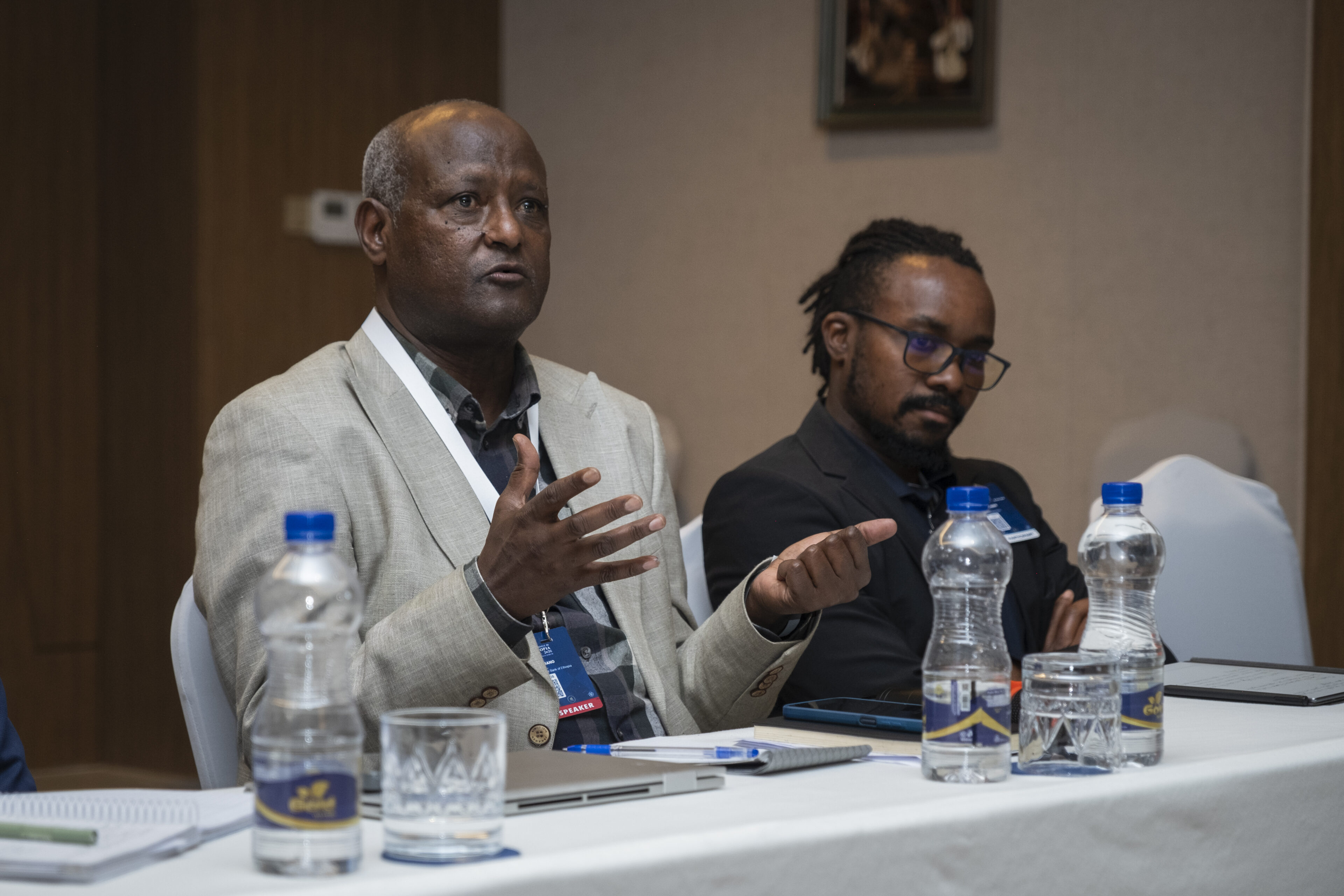
This workshop, held in March 2026 in the Ethiopian capital, deepened the collaboration between LeadIT and the Ethiopian government. It was designed to build on the MoU signed between the Ministry of Industry and the Ethiopian Cement Producers Association during the Africa Climate Summit, which committed to working together to shape the future of low-emissions cement production. The discussion was framed around Ethiopia’s NDC 3.0 and the need to move from ambition to implementation, with a focus on identifying practical pathways for collaboration.
Participants
- Ethiopian Ministry of Industry: Dawit Alemu, Senior Technical Advisor & Esmael Moha, Climate Change Team Leader
- Ethiopian Ministry of Planning and Development: Dr. Muktar Abduke,NDC Partnership In-Country Facilitator & Mariyana Fassil, LeadIT Engagement
- Embassy of Sweden in Ethiopia: Johan Romare, Deputy Ambassador & Hampus Holmer
- Embassy of India in Ethiopia: Rajeev Ranjan, Second Secretary (Commerce)
- Climate Technology Centre and Network (CTCN): Valentin Rudolf, Technology Specialist
- ClimateView: Tomer Shalit, CPO & Founder
- LeadIT: Arati Davis, Business Lead.
The Ministry of Industry confirmed that cement is a priority sector for both industrial growth and decarbonization. Dawit Alemu, a senior technical advisor with the Ministry, highlighted the need for implementation-focused solutions grounded in industry realities, policy frameworks that enable business adoption, and stronger coordination across stakeholders.
The cement sector in Ethiopia
Ethiopia’s cement industry is expanding rapidly, playing a pivotal role in the economic development and industrialization of the country while also representing a key sector for future decarbonization and green industrial transition. Cement production has grown over the past two decades, for example, with the opening of the country’s largest facility in 2024, the Lemi National Cement Factory, which can produce 15,000 tonnes of cement every day, that’s 4.5 million tonnes annually.
With predicted economic growth of more than 10%, Ethiopia is experiencing rapid urbanisation, and infrastructure projects are driving this increased demand for cement. The skyline of the capital, Addis Ababa, in particular, has been transformed with skyscrapers such as the 52-storey headquarters of the Commercial Bank of Ethiopia (CBE), the tallest building in East Africa. This has earned it a reputation as one of Africa’s fastest-growing cities.

Foundations for action
The Climate Technology Centre and Network (CTCN) facilitates connections between countries and climate technology solutions and during the workshop presented its approach to supporting Ethiopia’s cement decarbonization. The technical assistance is structured around four key areas that will be implemented in phases through 2027. An inventory of the cement sector will be carried out, and a monitoring, reporting, and verification (MRV) system will then be developed. A review of technology and policy, including potential decarbonization levers, will then support the development of a comprehensive national decarbonization roadmap. Finally, the roadmap will be used to create an investment framework that supports implementation. The approach emphasizes public–private collaboration, improved emissions monitoring, technology upgrades, and enabling regulatory frameworks.

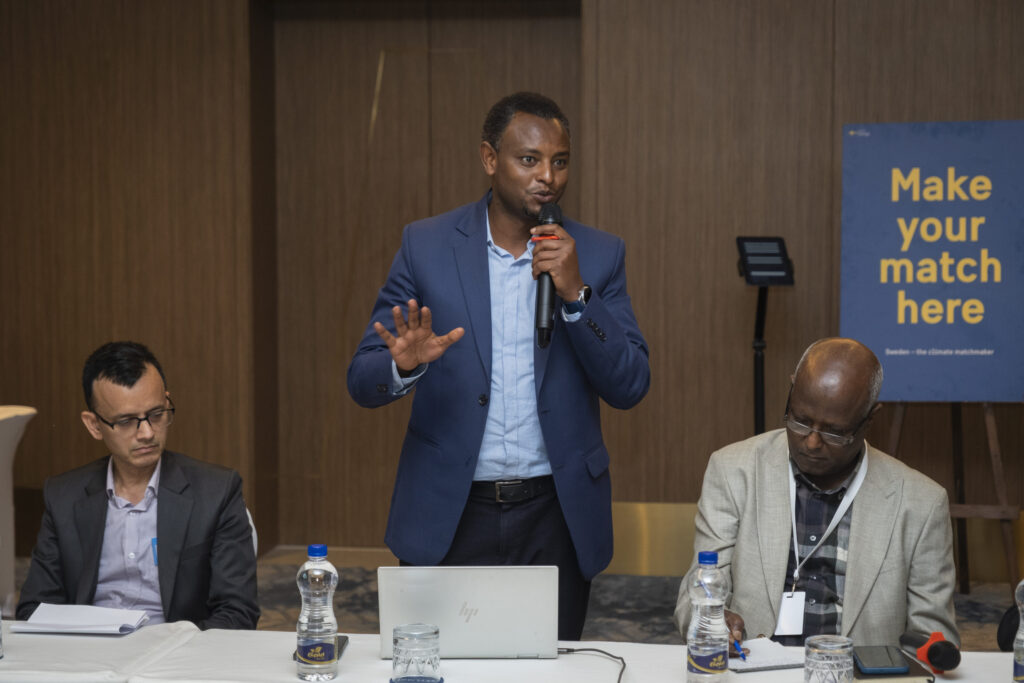
Hampus Holmer, Embassy of Sweden, Ethiopia. Photo: Geremew Tigabu
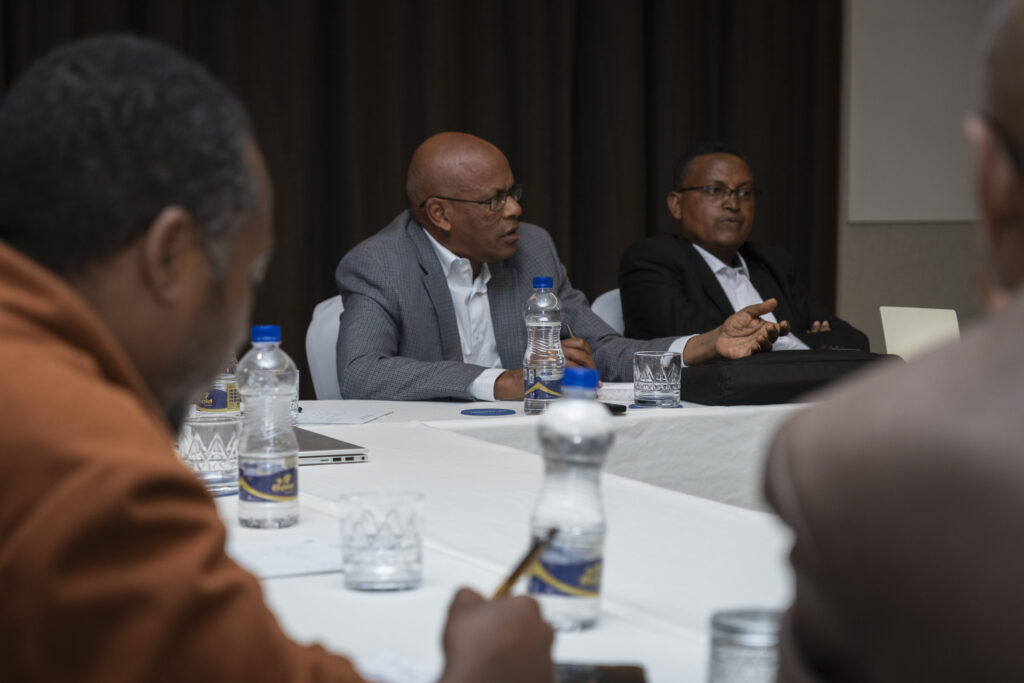
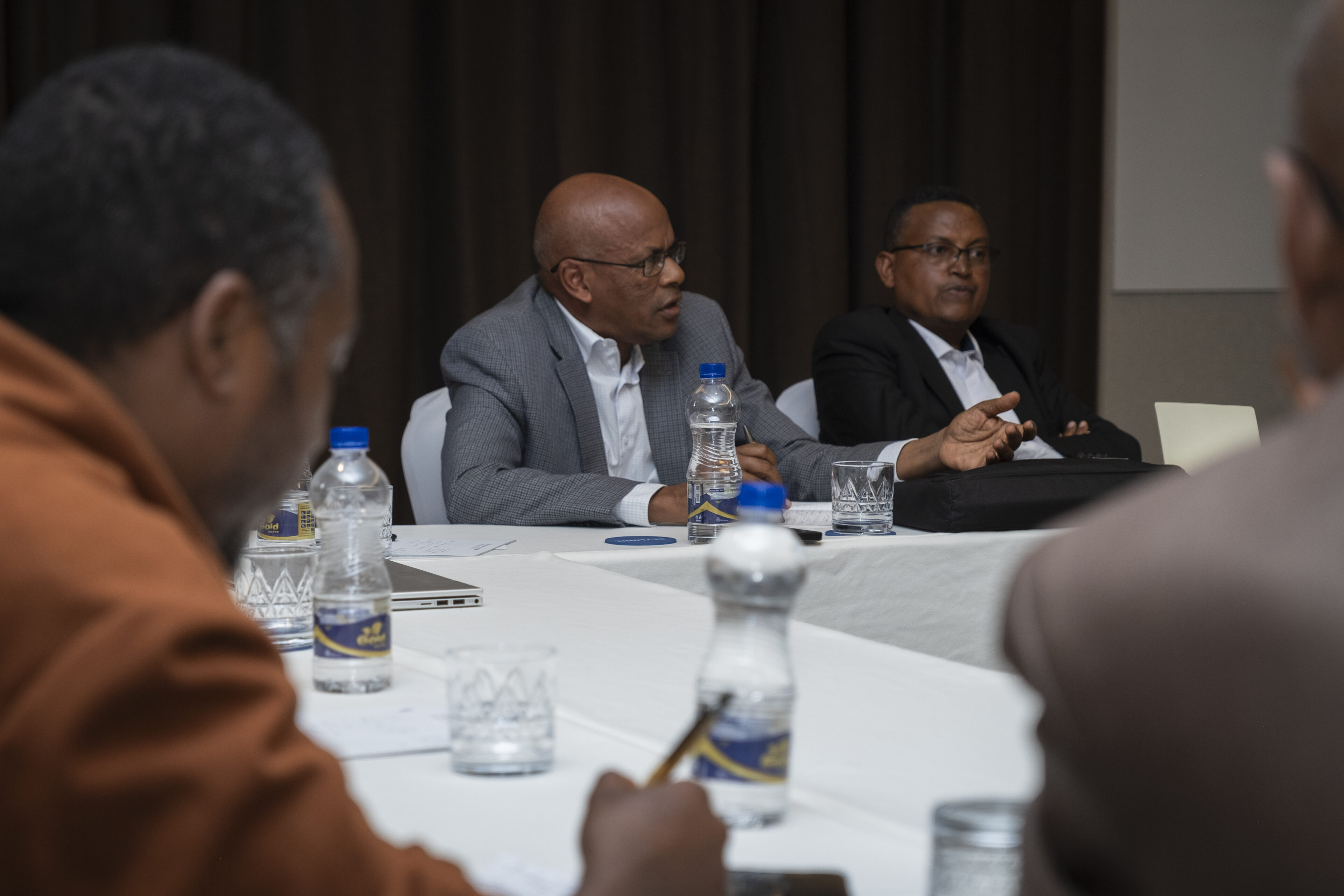
L to R: Basso Assefa Sodere, GM, Cement Technology Consultant; Axumawi Ebuye, PanAfrique Green Energy PLC. Photo…
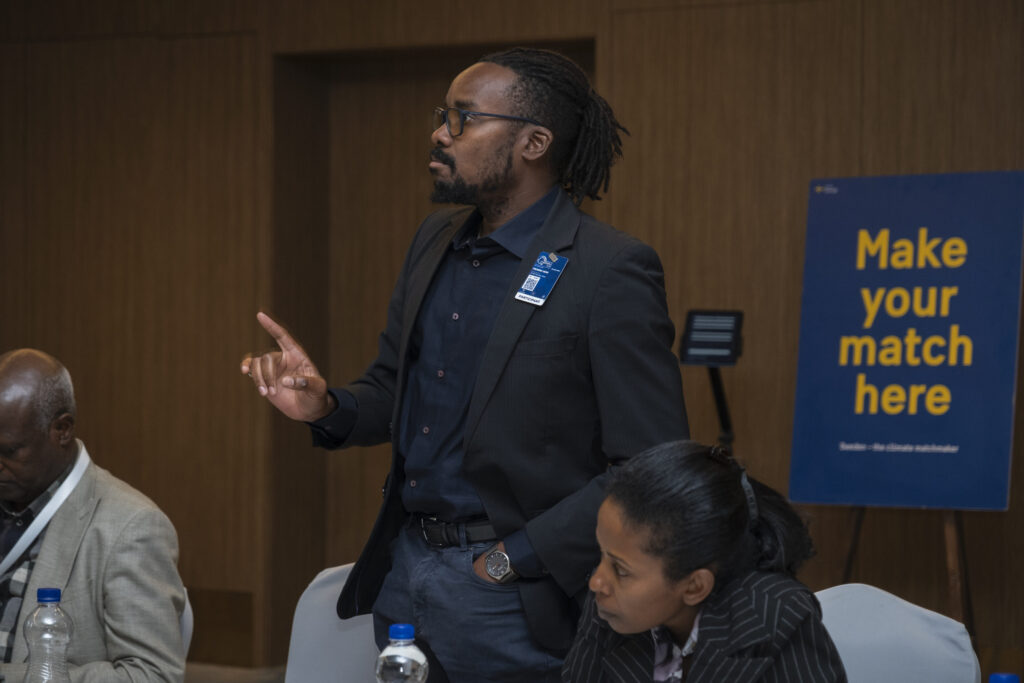
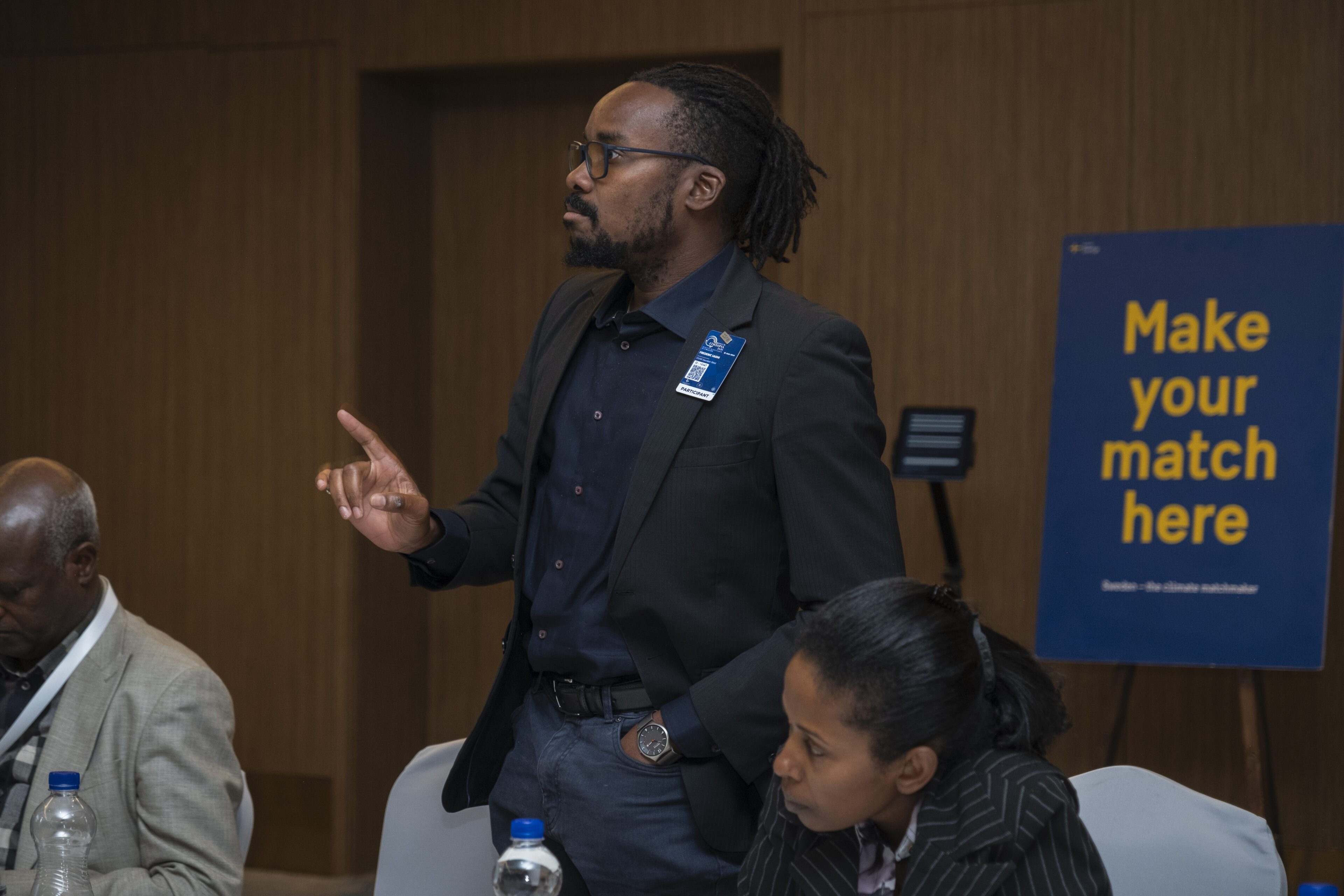
Frederic Sauhi, SSAB. Photo: Geremew Tigabu
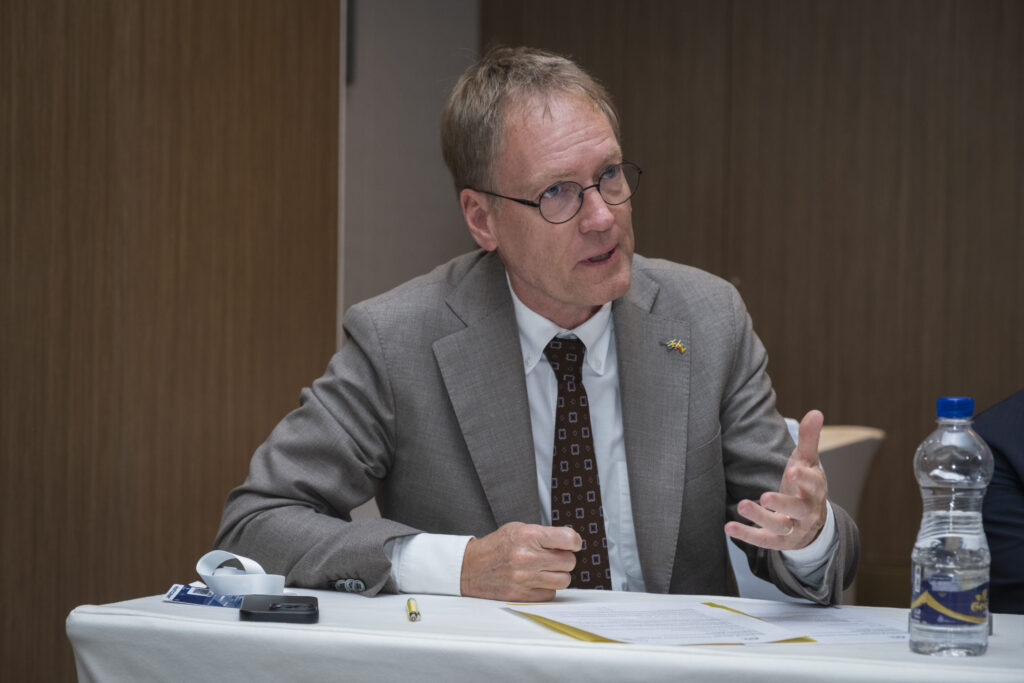
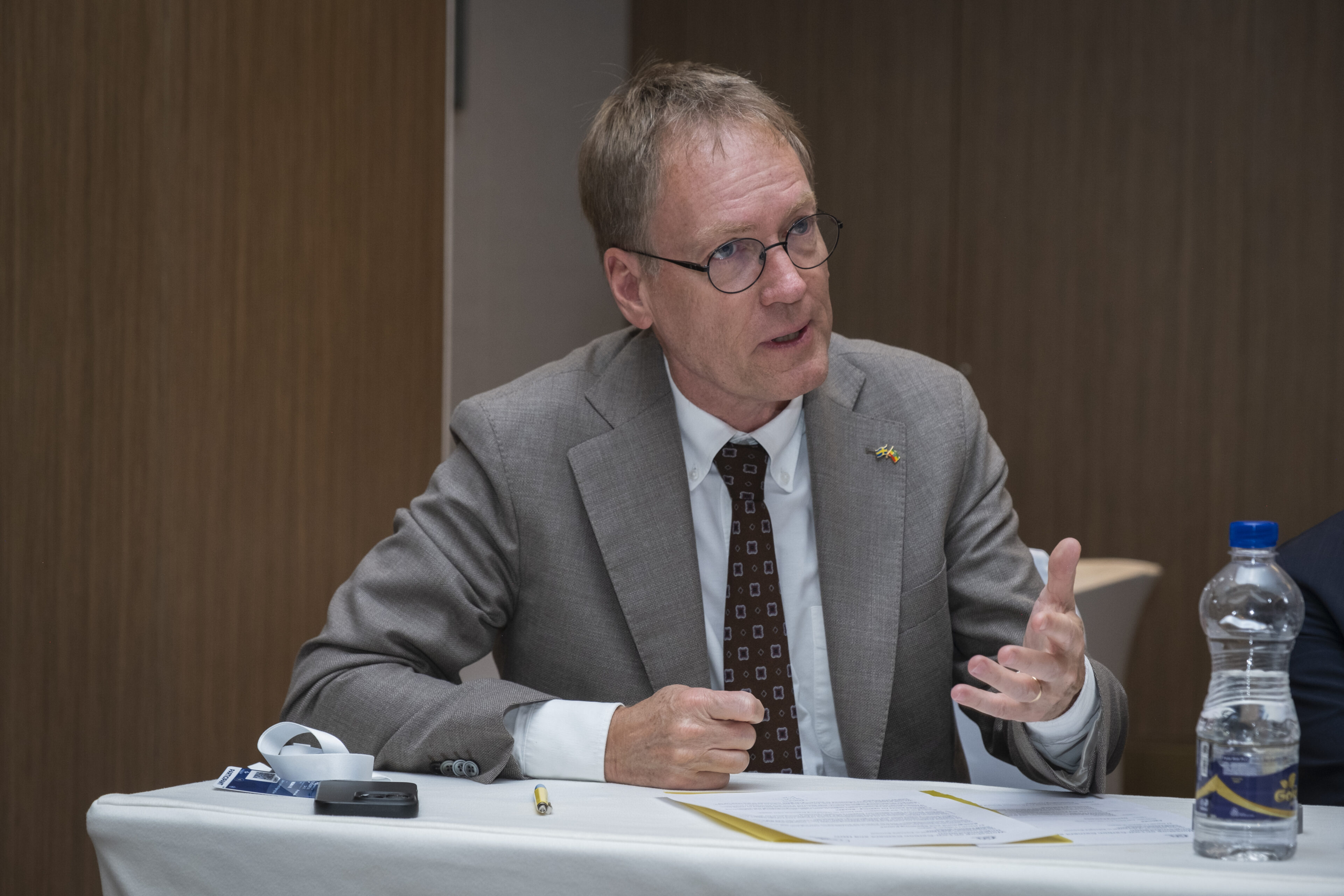
Johan Romare, Deputy Ambassador, Embassy of Sweden, Ethiopia. Photo: Geremew Tigabu
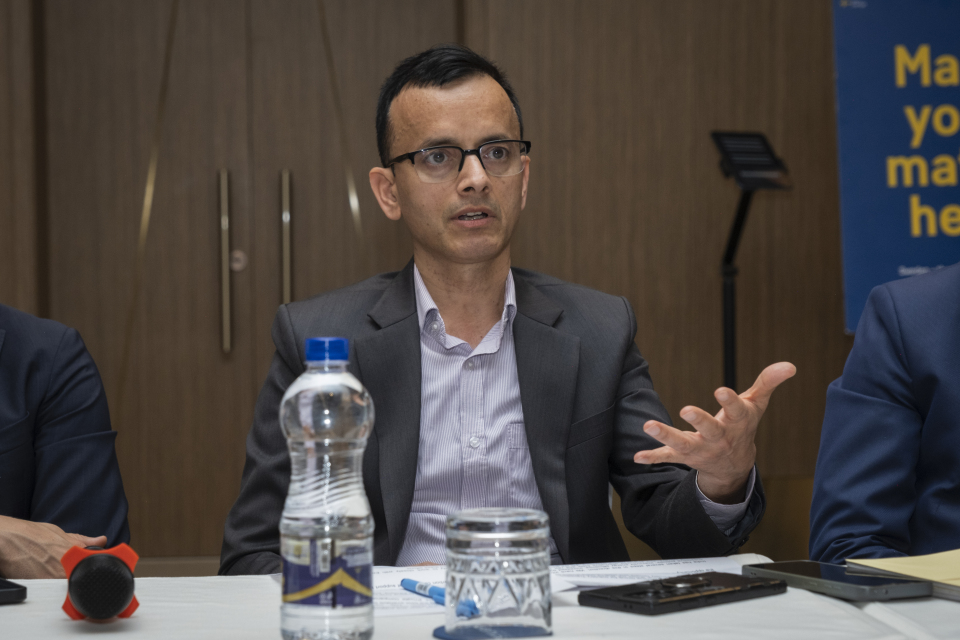
Rajeev Ranjan, Embassy of India, Ethiopia. Photo: Geremew Tigabu
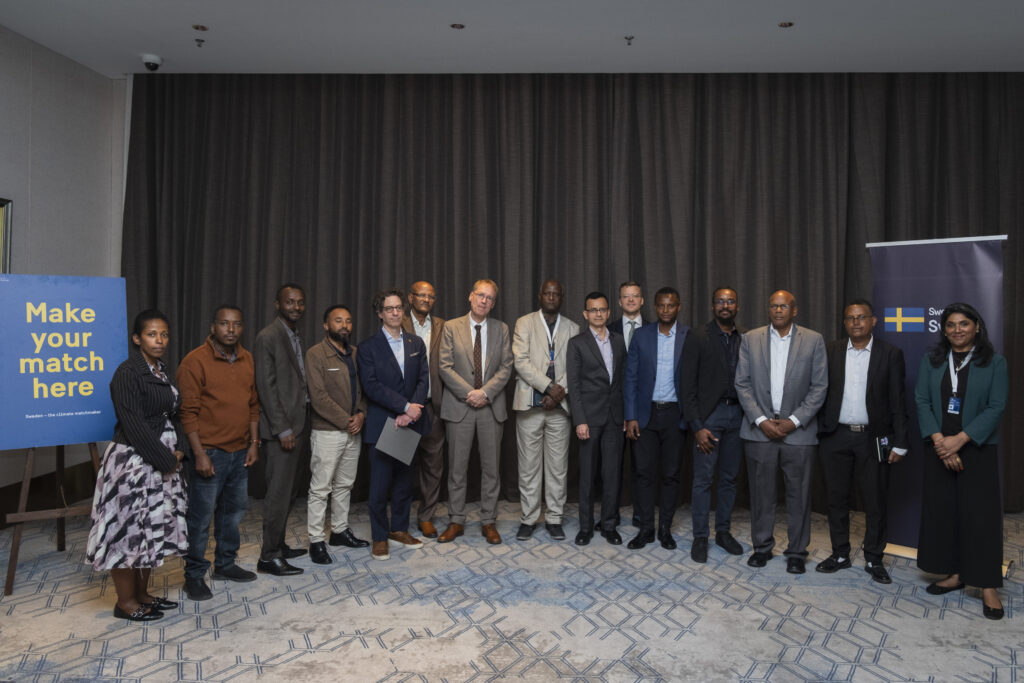
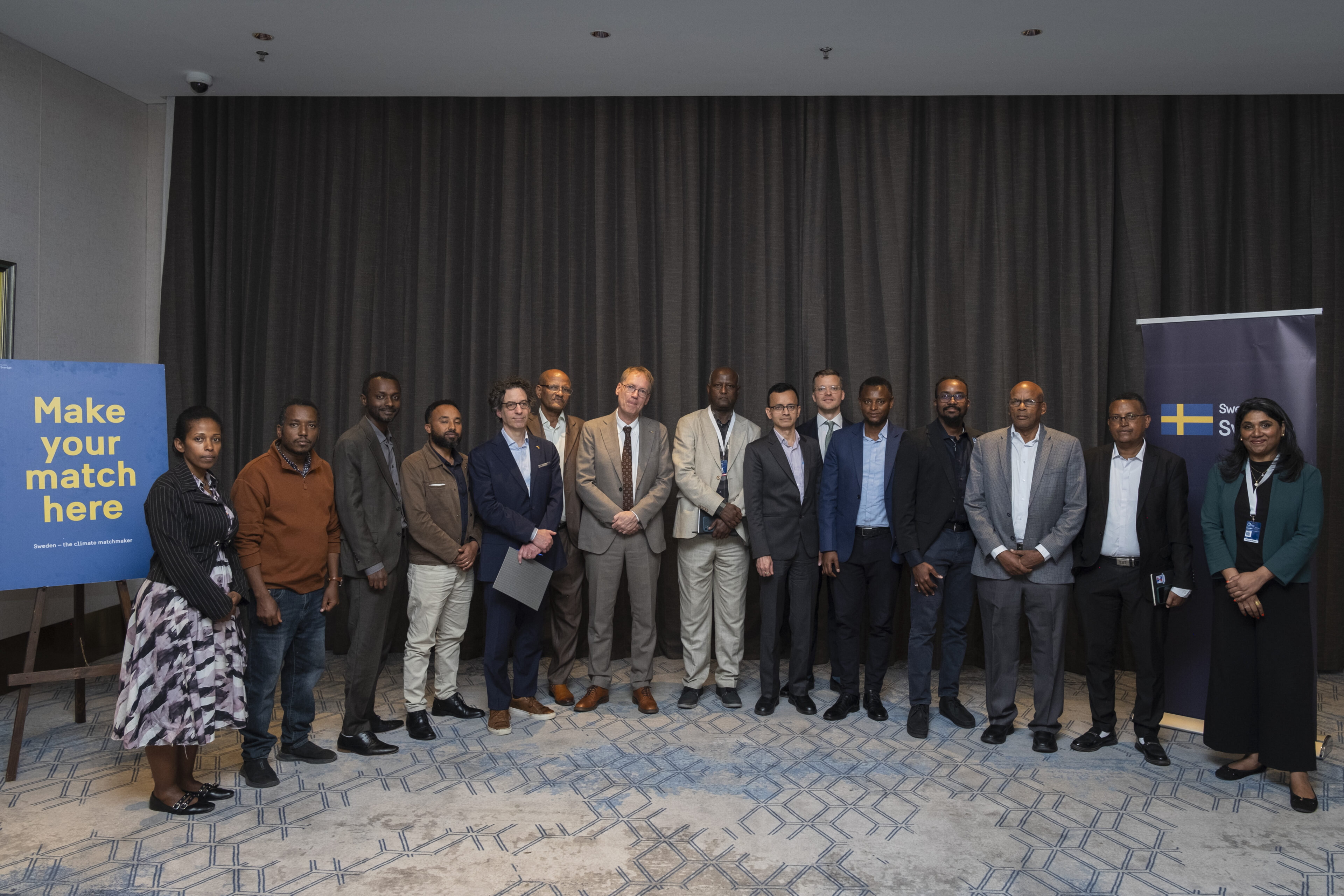
Workshop on Low-Carbon Cement and NDC Implementation, Addis Ababa. Photo: Geremew Tigabu

Key takeaways
Following the CTCN presentation, the discussion focused on how partners can add value to this process. Participants highlighted a number of actions needed to support the CTCN work including:
- The need for revised budgetary processes for businesses. Life Cycle Assessment (LCA) was seen as an important mechanism to provide more accurate assessments of long-term investment returns when compared to L1 costing alone.
- Bringing businesses on board will require government to take the lead to initiate discussions and build trust.
- It’s essential to avoid duplication between stakeholders so new work should build on existing work. Accelerating progress will require the implementation of time effective decisions
- Linking technical outputs with financing and investment mobilization
- The importance of capacity building with the support of partners like SSAB
There was strong agreement that the CTCN work should serve as a foundation, with additional efforts focused on delivery and scaling.
Next steps
LeadIT will continue to convene stakeholders and support collaboration with a specific focus on Ethiopian business leaders to ensure that decarbonization discussions are rooted in sector-specific practicalities. Engagement with cement businesses can also support the sharing of best practices and inform potential policy reform.
Specifically, case studies for working with LC3 cement will be developed, drawing in expertise from Indian cement companies and research institutes. Policy considerations relating to technologies like LC3, but also other decarbonization levers need to be analysed and overall coordination between different stakeholders should be strengthened. This will strengthening will include alignment with the CTCN process. And finally, more work will be carried out by the Government and key partners to define priorities ahead of COP32 in Ethiopia.