


South Africa has been an active member of LeadIT since June 2021, and Scaw Metals’ membership will strengthen the country’s role in advancing steel decarbonization while amplifying Africa’s voice in the global transition. By joining LeadIT, Scaw is stepping into a community of pioneers who are seeking to drive change. It is one of South Africa’s biggest producers of steel and combines a long steelmaking heritage with a low-carbon vision to support sustainable industrial growth.
The industry transition is no longer a distant ambition – it is irreversible, a global priority, and sits at the heart of sustainable economic and societal development. Leadership from companies like Scaw Metals will determine the pace and success for all. Scaw brings not only longstanding industrial expertise and opportunities for new global partnerships but also valuable perspectives from South Africa on how the transition can be made truly global, inclusive, and just.
Per Andersson
Head of Secretariat, LeadIT
Explaining the decision to join LeadIT Doron Barnes, CEO of Scaw highlighted the benefit of being part of an international public-private platform:
To be a member of the LeadIT initiative is a great opportunity and honour for Scaw. We believe that membership will allow us to accelerate our decarbonization efforts along with a global community who is committed to ensuring that industry is aligned with the Paris Agreement and that net-zero carbon emissions is achieved by 2050.

Doron Barnes
CEO, Scaw Metals
About Scaw Metals
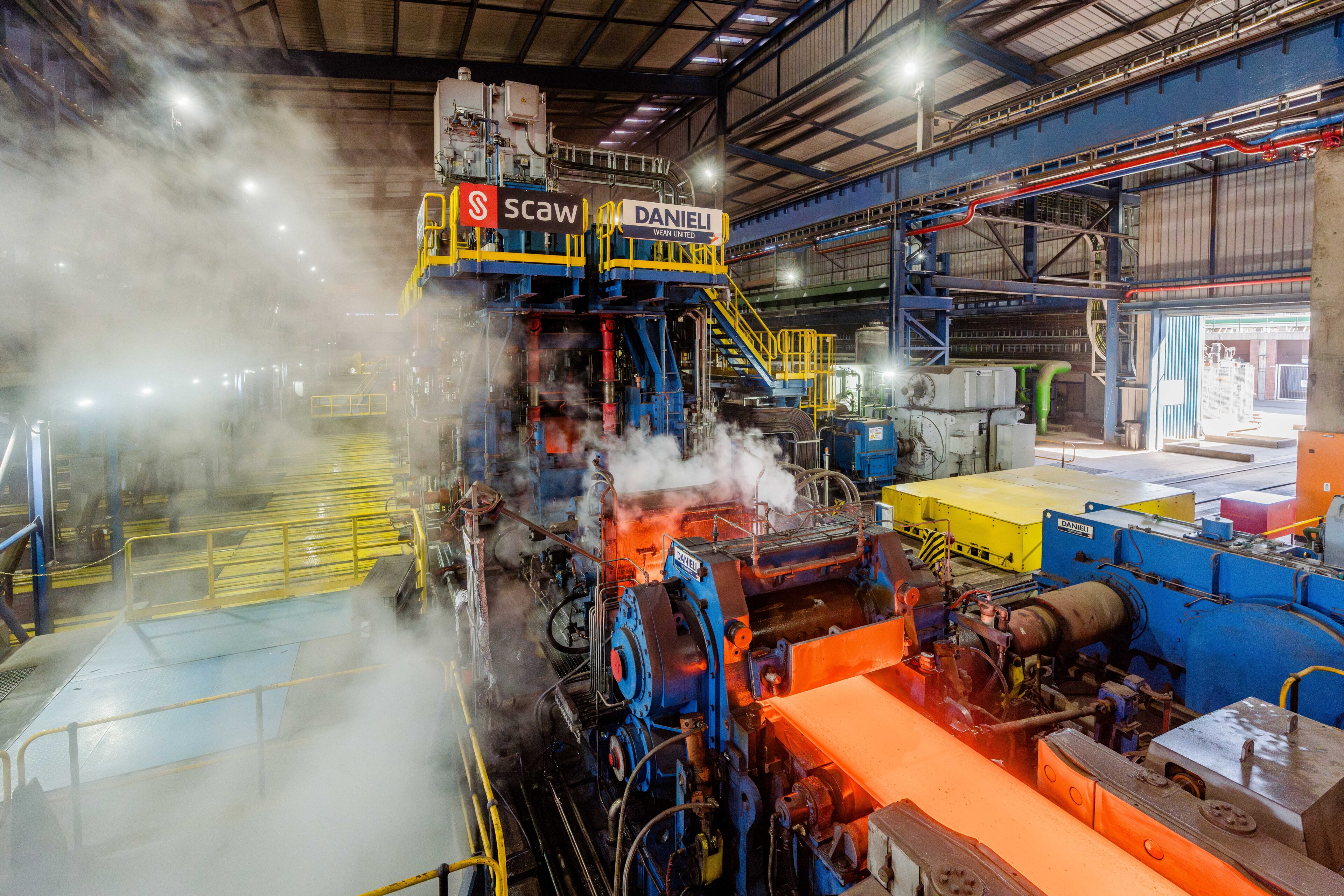
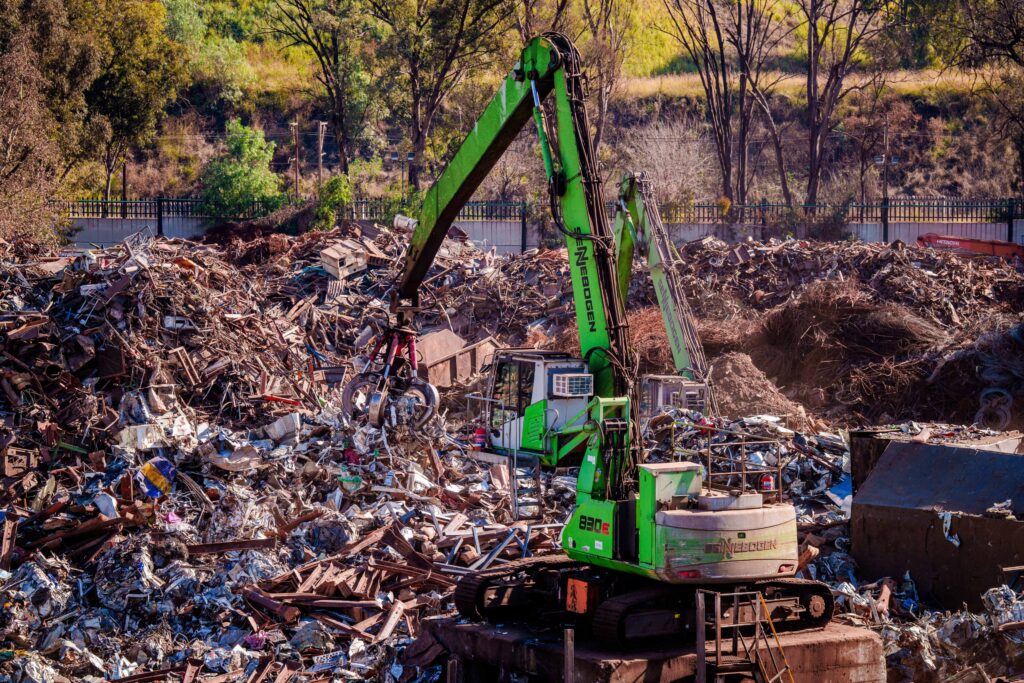
Scaw was founded in 1924 in Johannesburg and expanded rapidly, relocating to its current site in Germiston in 1939, from where it has built steelmaking, rolling, and foundry capabilities. Scaw is an electric arc furnace (EAF) based steel producer, and the majority of its production uses recycled steel scrap, but its melt shop also uses direct reduced iron (DRI) from rotary kilns. Scaw supplies sectors such as mining, rail, construction, energy, and engineering through its long and flat product mills.
Net zero ambitions
In alignment with the aims of the Paris Agreement, Scaw has a goal of net zero operations by 2050. It has achieved emissions reductions in the last five years, primarily through more efficient resource utilisation and sourcing renewable solar energy for its operations. o reach its 2050 target Scaw has identified hydrogen-based direct iron reduction and full integration of hydrogen as the principal longer-term levers.
CEO, Doron Barnes explains the next steps :
Currently, we are implementing projects that aim to reduce our carbon footprint significantly by 2030. We have various renewable energy initiatives planned, including solar PV panels, Battery Energy Storage Systems (BESS) and a cogeneration plant. In addition, we are constantly trying to optimize our operations with energy efficient interventions as well as environmentally friendly and circular economy initiatives. As of 2024 we emitted 0.91 tCO2e/t per ton of steel produced. We have set the ambitious target to reach net zero by 2050.
Doron Barnes
CEO, Scaw Metals
Why has Scaw decided to join LeadIT?
We would like to broaden our own knowledge by gaining access to information about technologies that promote decarbonization. Furthermore, we would like to engage with financial institutions that can provide us the necessary funding to facilitate these ambitious projects. Additionally, we would like to keep abreast of industrial policies that promote decarbonization and assist us in achieving our short-term, medium-term, and long-term goals.
What do you hope to achieve as part of the Group?
We believe that membership will allow us to accelerate our decarbonisation efforts along with a global community who is committed to ensuring that industry is aligned with the Paris Agreement and that net-zero carbon emissions is achieved by 2050.
What do you see as the main challenges facing Scaw when it comes to decarbonization?
Choosing the most appropriate or economically feasible projects that allow us to reduce our carbon emissions. Also, due to the dim status of the domestic steel market, high cost of capital, and inadequate financial incentives, direct financing is prohibitive; the ability for businesses in a depressed, albeit essential, industry is extremely challenging to finance.
How do you envisage working with LeadIT and it’s members?
We believe that one of the main benefits of being a member to LeadIT is that we will be able to engage with and collaborate with other global organisations that share our vision of becoming more environmentally responsible by achieving carbon neutrality.
What will you bring to the Group?
Scaw is an industry leader and its vision of securing an emissions free future can only be complemented by its association with a global leader like LeadIT. As the first South African company to join LeadIT, we are flattered by the association and believe our unique view on decarbonisation will not only benefit the South African steel industry but society at large.