


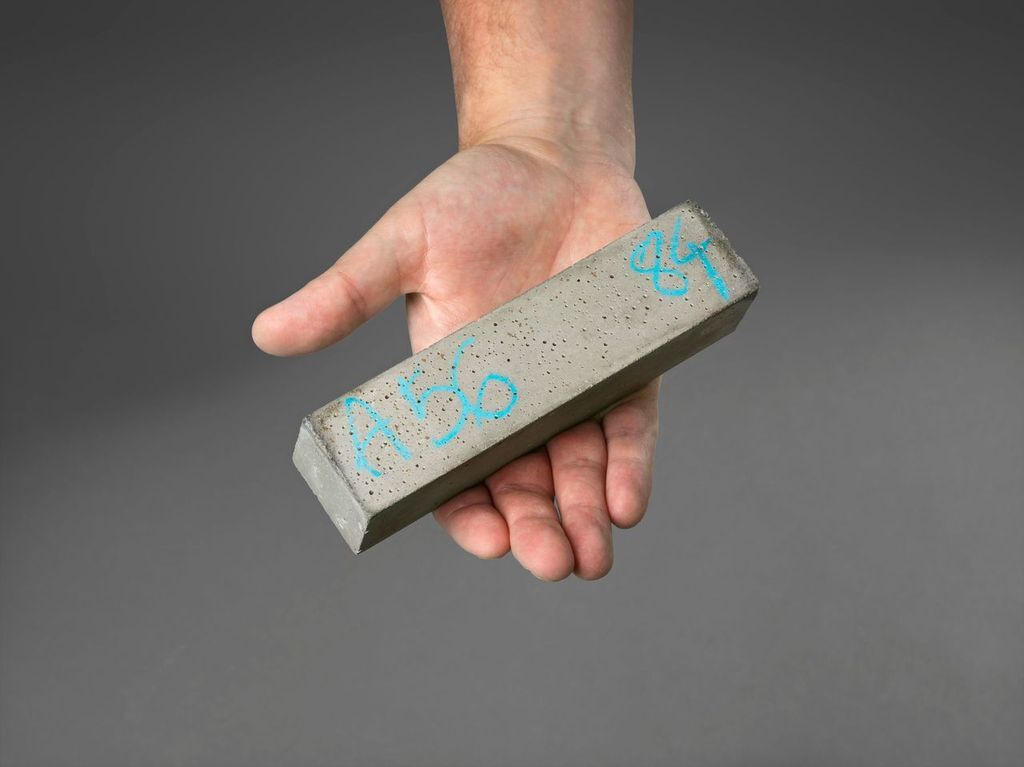
Globally cement is the most important building material but it is also a major source of CO2 emissions. Finding new ways to decarbonize cement production is vital to achieving the world’s climate goals. Cemvision’s cement product offers CO2 emissions reductions of between 80 and 100%.
Oscar Hållen, Cemvision CEO speaking at Almedalen about joining LeadIT.
About Cemvision
- 2020 Cemvision is founded by Claes Kollberg, Paul Sandberg, and Marcus Olsson. The three founders all have an extensive background and experience in the cement industry.
- 2021 Cemvision develops its product and carries out field trials. Its solution to decarbonise cement involves mixing new “recipes” for cement which don’t need virgin limestone. It’s the limestone which releases CO2 when heated for cement production. More emissions come from the kilns for this heating process which use fossil fuels.
- 2022 Cemvsion gets the backing of Bill Gates’s Breakthrough Energy and also secures two and a half million euros in seed funding from other investors.
- 2023 pilot scale production of the first circular, fossil-free decarbonized cement clinker. Cemvision signs its first commercial agreement with the Swedish state owned mining company LKAB.
- 2024 Cemvision secures ten million euros in funding to scale up production of its green cement
Read our interview with Hedvig Axberg, who is Cemvision’s technical lead and looks after supply chain. She explains the company’s vision as green disruptors and how that aligns with LeadIT membership.

Why did Cemvision want to join LeadIT?
What will Cemvision bring to LeadIT?
What is Cemvision’s vision for the cement industry of the future?
Where does Cemvision see its role in that future?
How important are start-ups like Cemvision to achieving decarbonization?
Scaleups like Cemvision play a crucial role in achieving decarbonization, especially in sectors within the heavy industries. With our innovative mindset and agility, we can challenge the status quo in this industry. Our ability to innovate and implement solutions that can be scaled globally is essential for driving the industry towards the zero-carbon goals.