


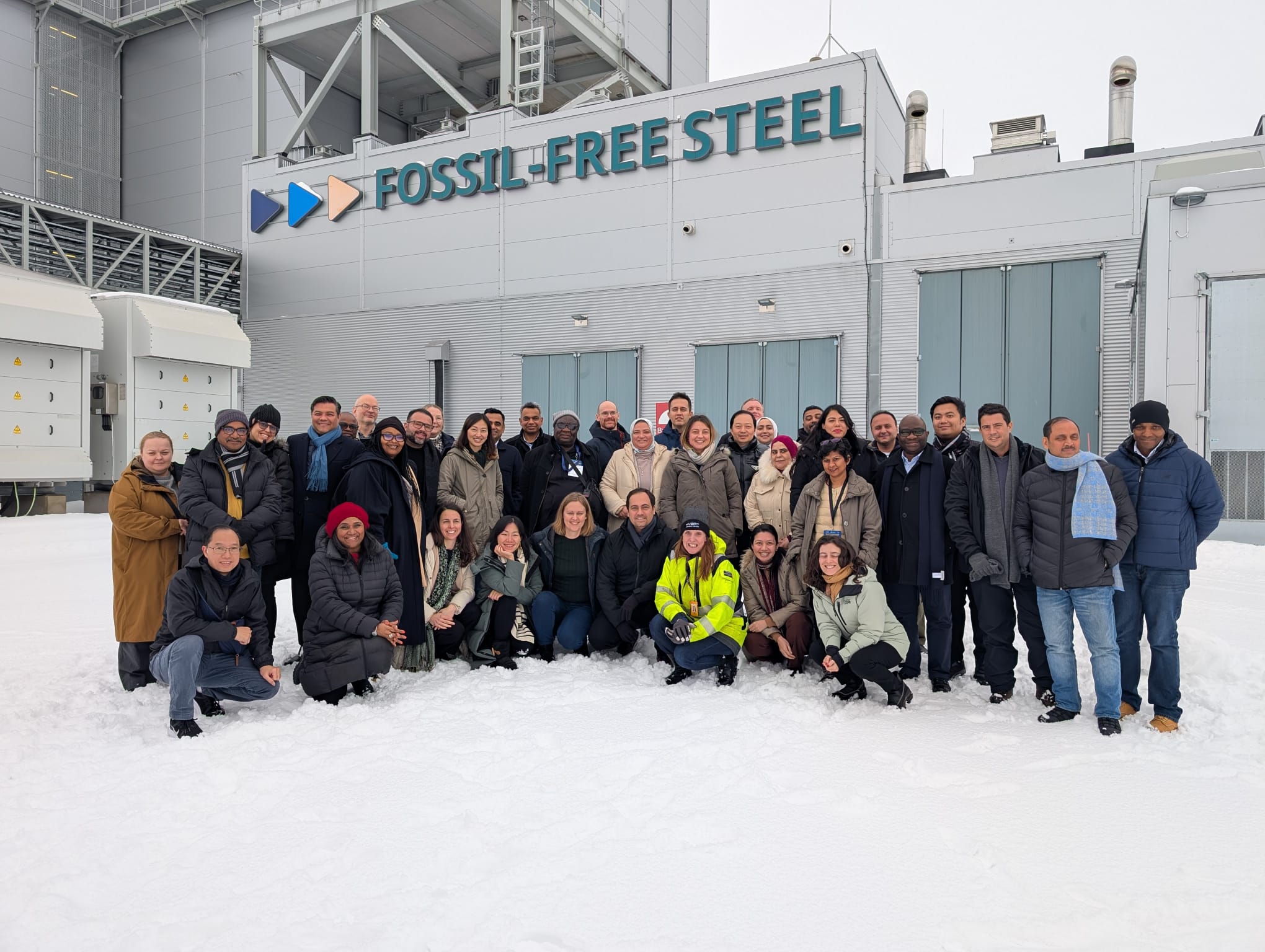
Policymakers and finance experts visited Sweden and Norway to see firsthand how clean energy, smart policy, and strategic investment are transforming heavy industry. As the Nordics turn low-carbon innovation into a competitive advantage, the tour offered practical insights into building resilient, future-ready industrial sectors. The participants came from ten countries with the ambition to decarbonize industry—Brazil, Mexico, India, Egypt, South Africa, Türkiye, Viet Nam, Indonesia, the Philippines, and Namibia.
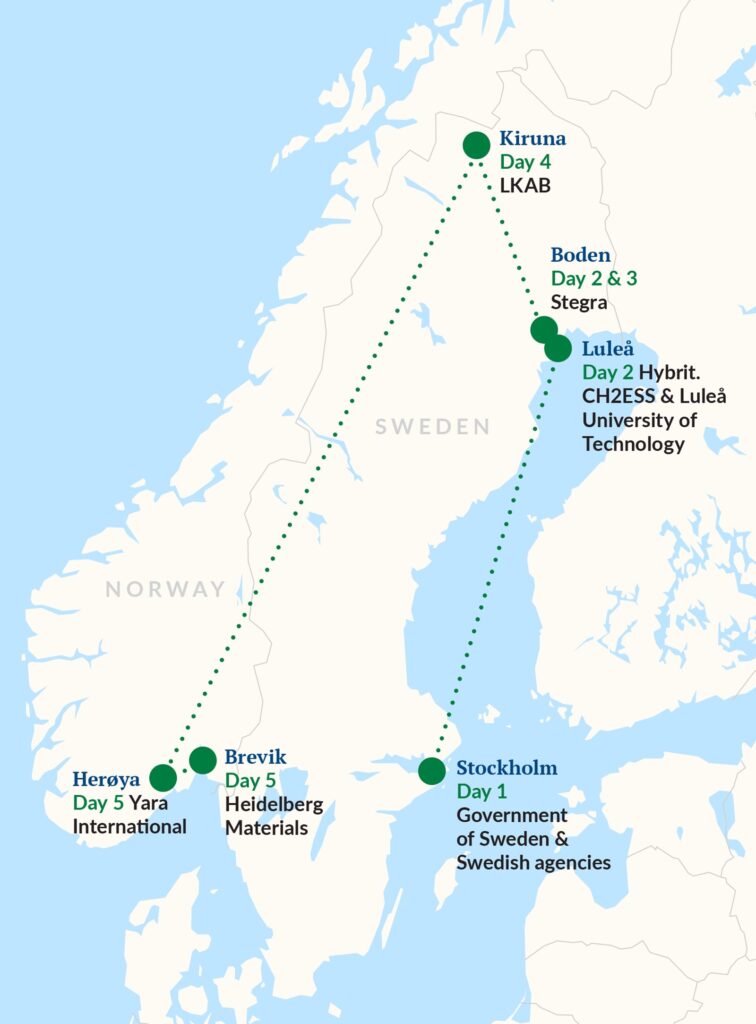
The five-day study programme focused on advancing low-carbon industry pathways, covering 3,000 km across Sweden and Norway. It included visits to first-of-a-kind decarbonization projects spanning steel, cement, iron production, green ammonia, and hydrogen, alongside three knowledge-sharing workshops.
The programme opened with an overview of Sweden’s decarbonization model, featuring perspectives from government and key agencies including the Swedish Energy Agency, Business Sweden, the Swedish Environmental Protection Agency, and the Swedish Export Credit Agency.
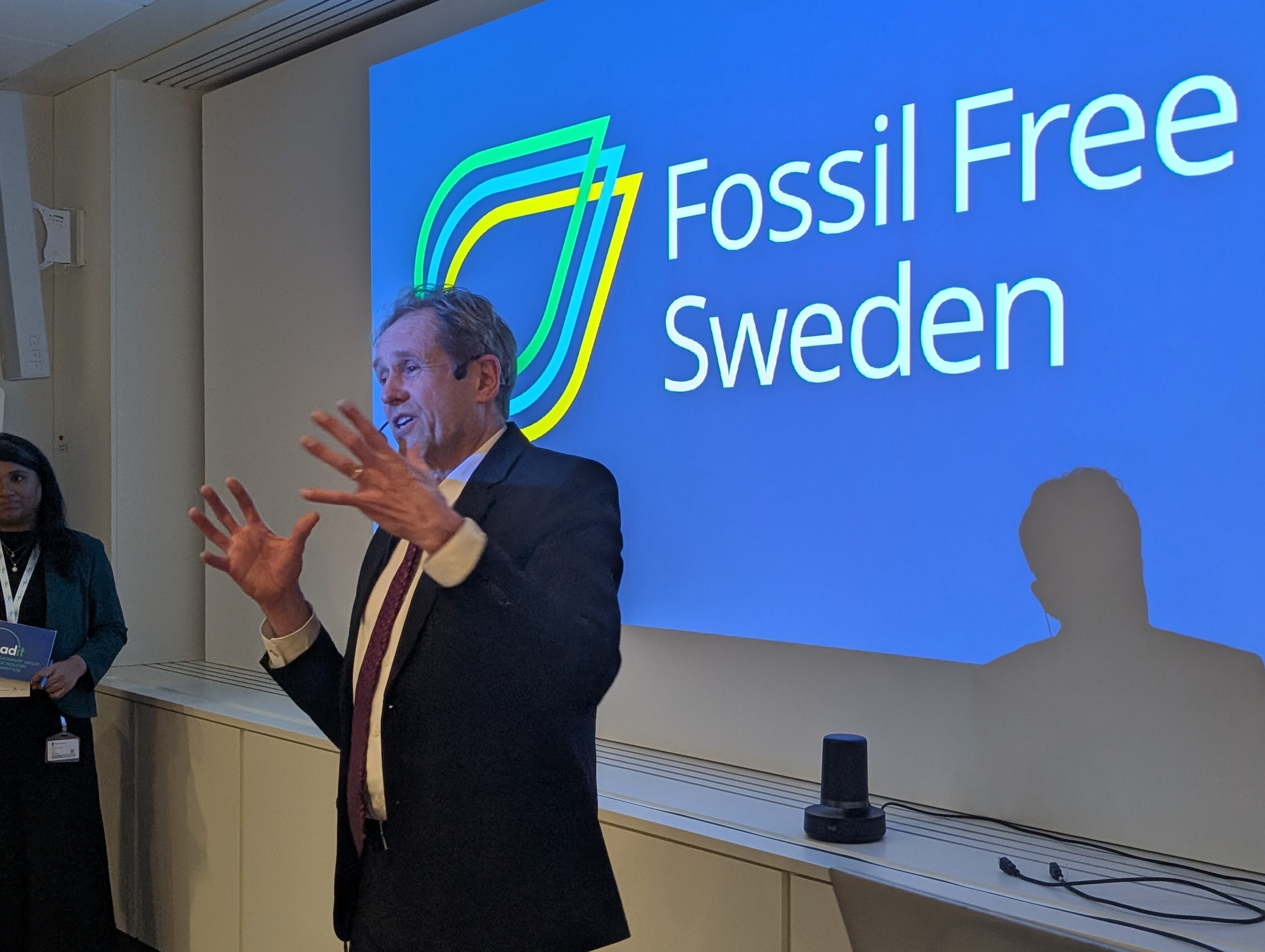
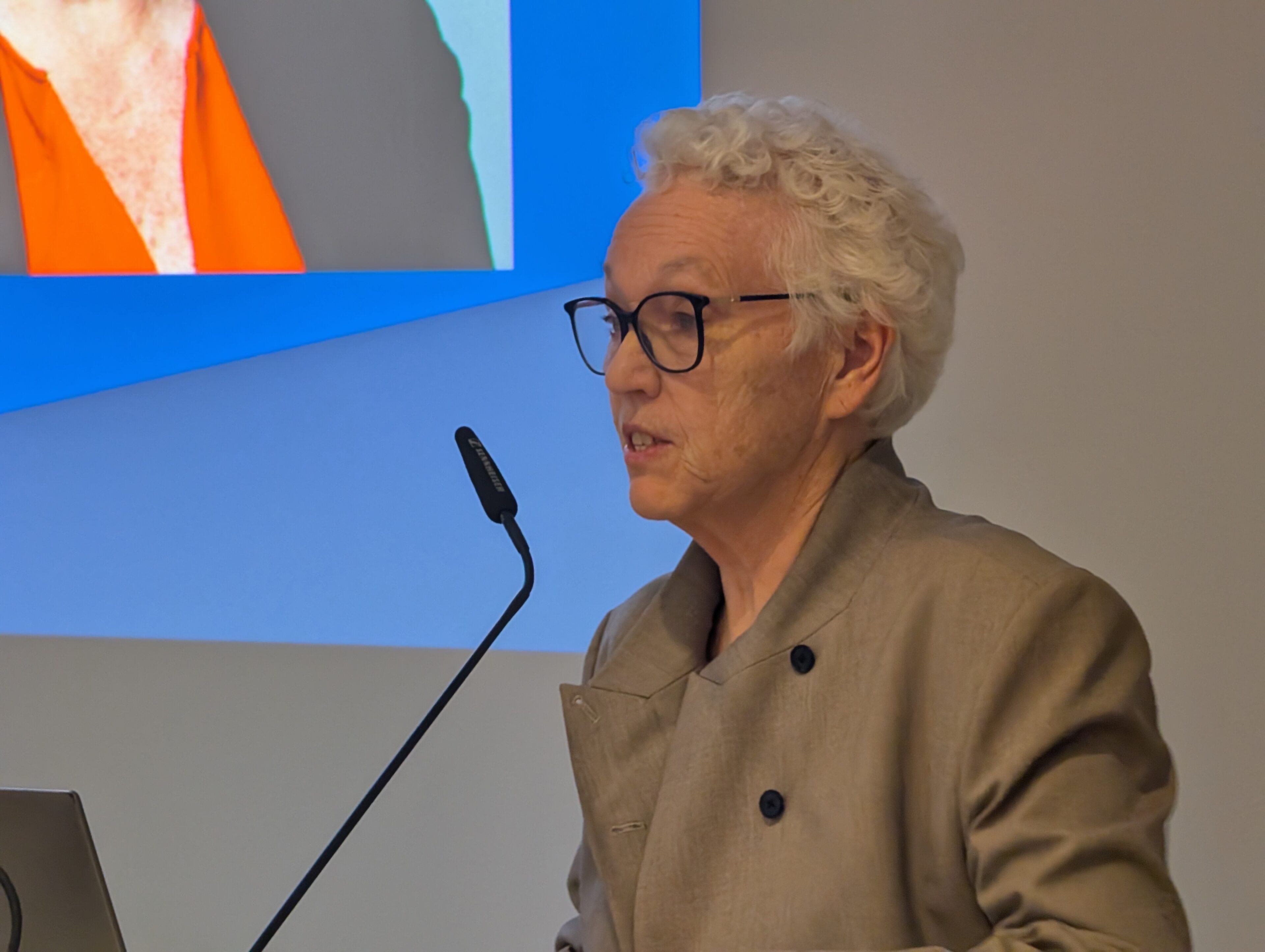
Svante Axelsson, from Fossil Free Sweden, a government initiative to increase the pace of the climate transition, highlighted the importance of a bespoke, multi-stakeholder approach: “All of us understand that in the long run, we all are going to be fossil-free. But how can I take it step by step and make it beneficial for the country? It’s about what can I start at home, which step is the easiest? What type of regulations and, from the demand side, what can I manage to make projects bankable? These types of questions need a long discussion because different countries will have different pathways”.
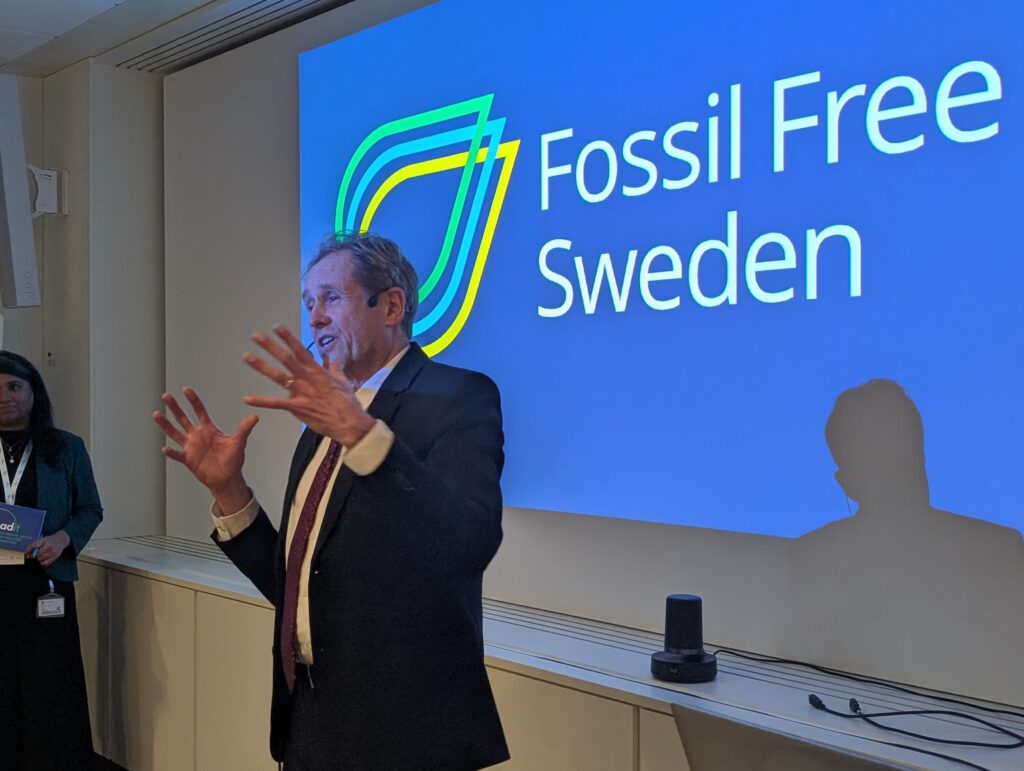
Svante Axelsson, Fossil Free Sweden, explaining Swedish decarbonization pathways. Photo: Jane Birch/LeadIT
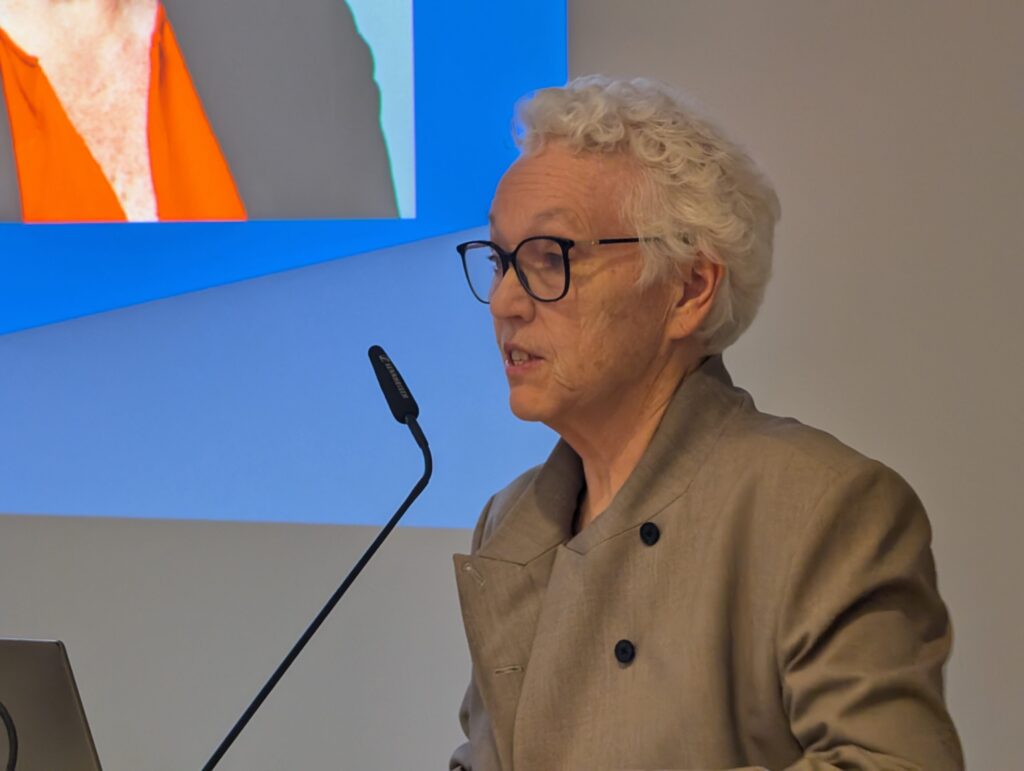
Helena Dyrssen, State Secretary, Swedish Ministry of Climate & Enterprise, welcomes the delegation. Photo: LeadIT/Jane…
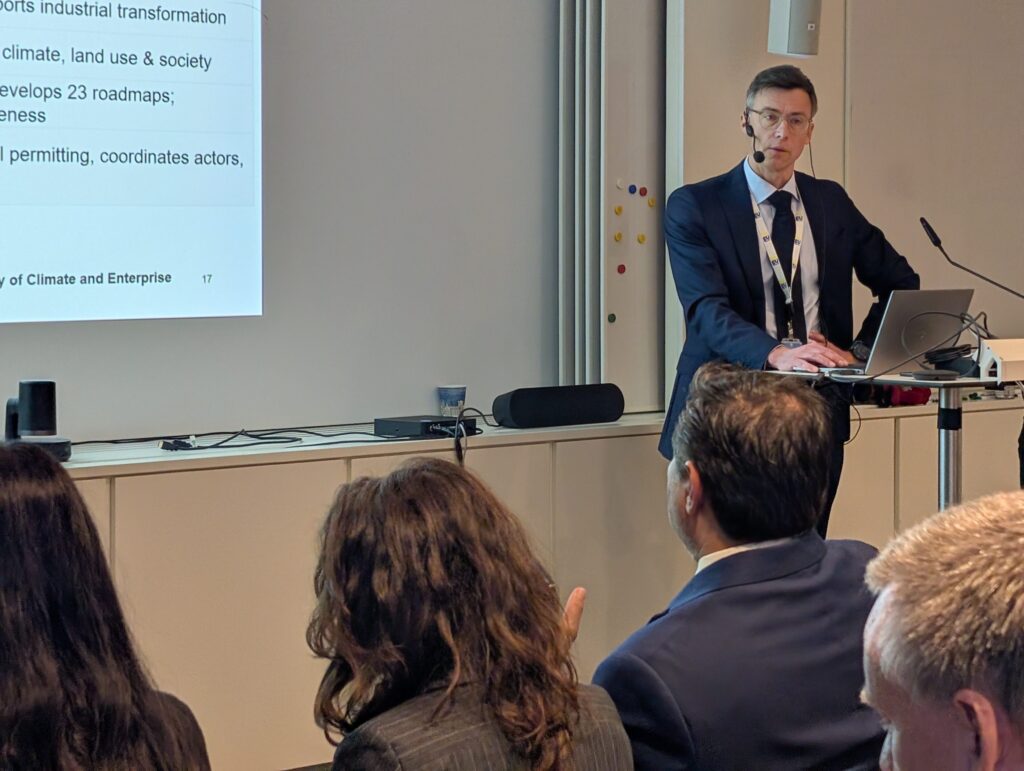
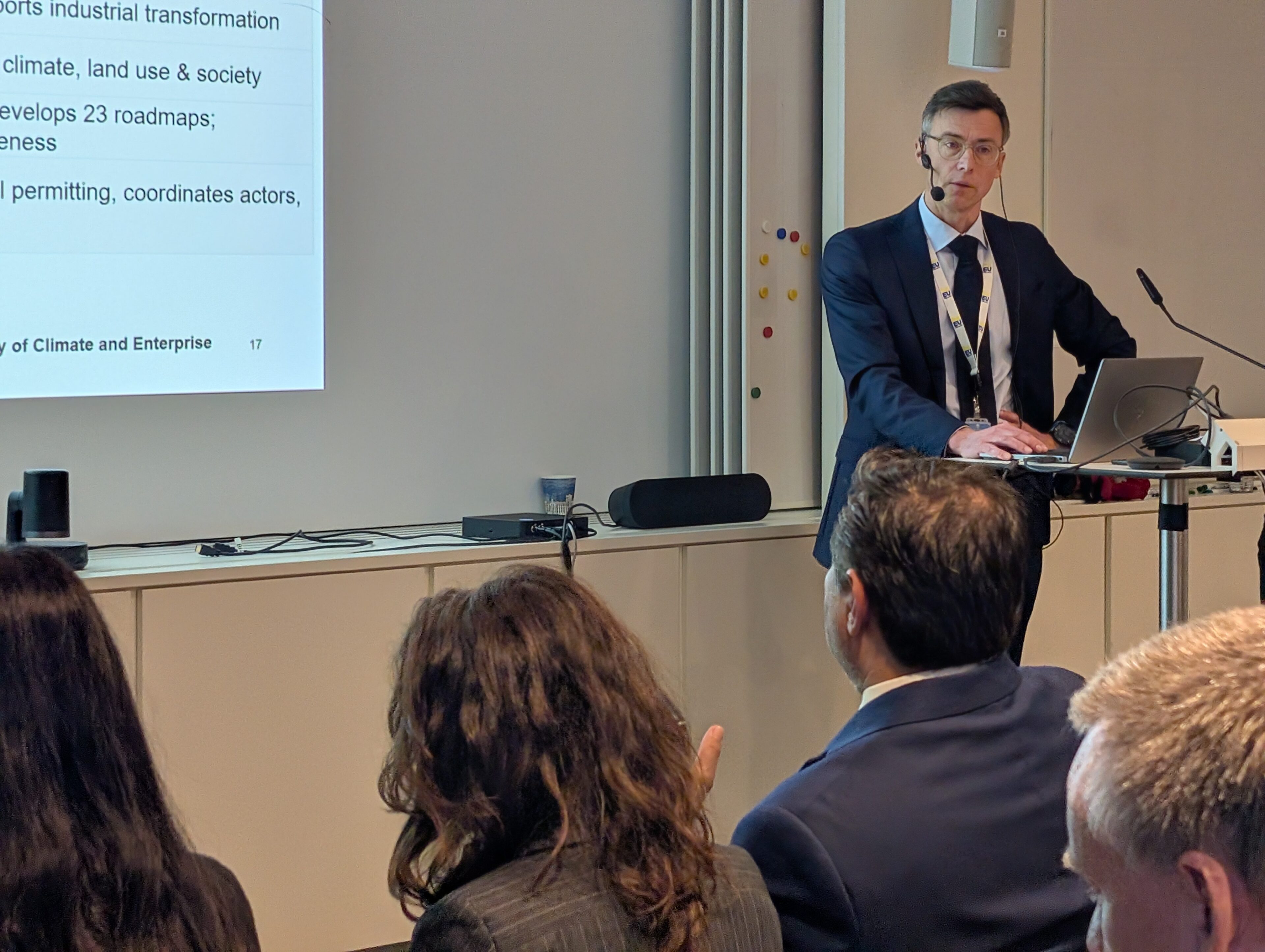
Patrik Brodd, Director General, Climate Action, Swedish Ministry of Climate & Enterprise. Photo: Jane Birch/LeadIT
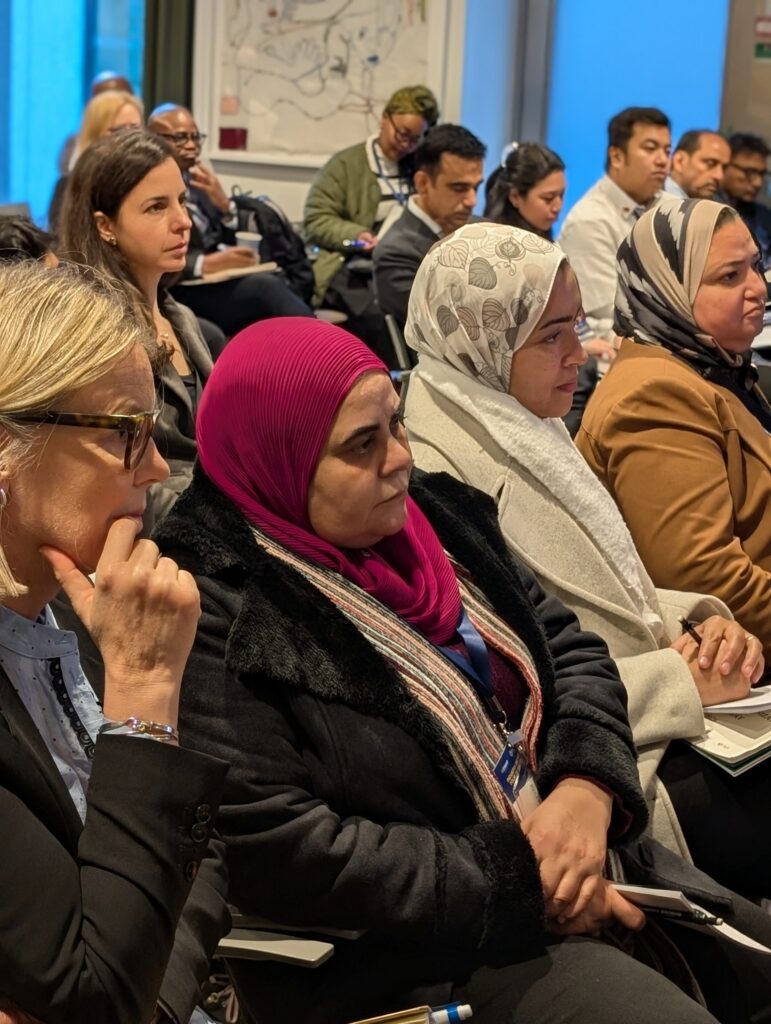
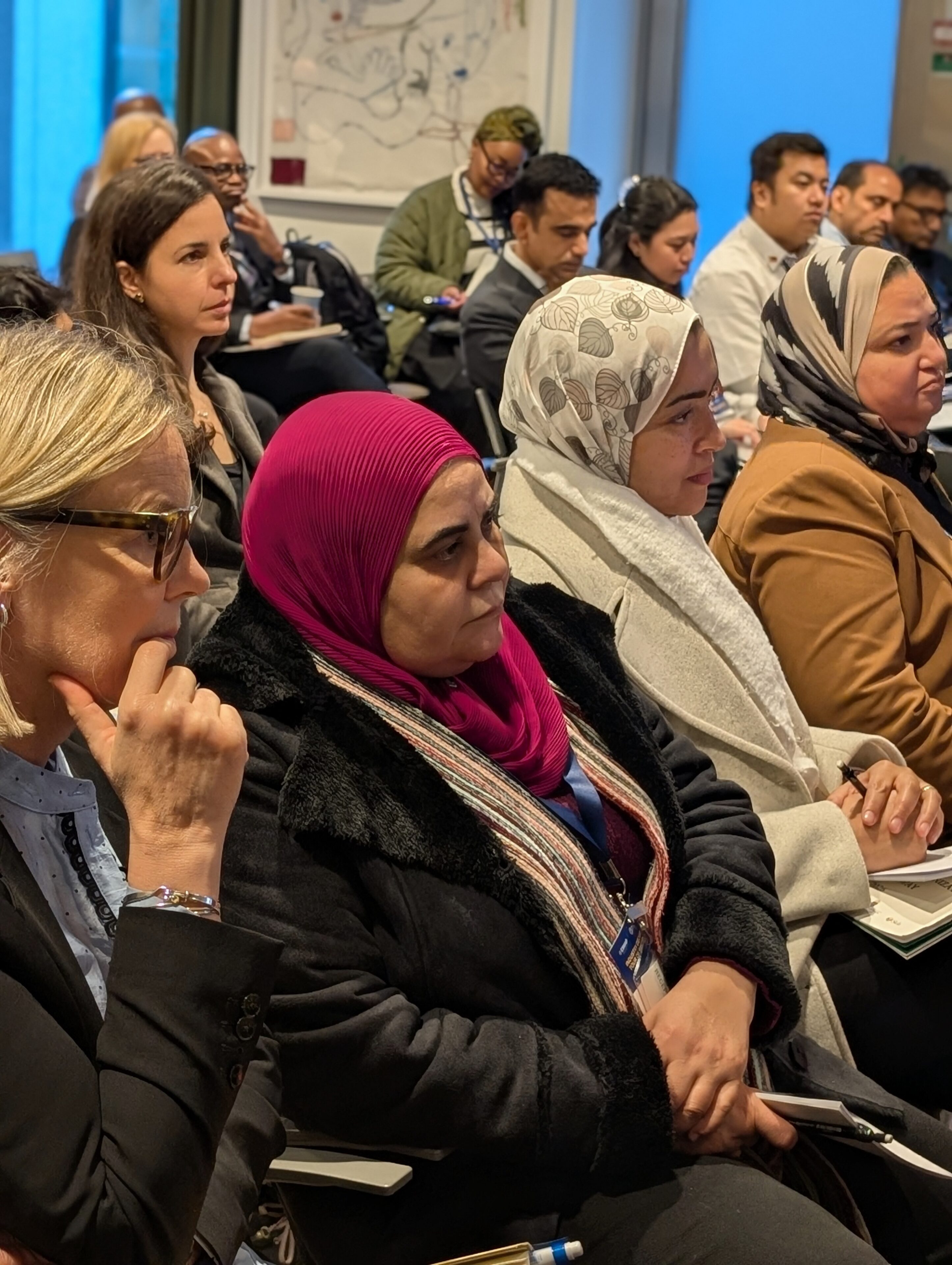
Egyptian delegates at the welcome session with the Swedish government and Swedish Agencies. Photo: Jane Birch/LeadIT
First of a kind projects
At Hybrit in Sweden, a joint venture between three LeadIT members, SSAB, LKAB, and Vattenfall, the delegates discovered how a breakthrough technology has been taken to pilot-scale validation, including supplying to customers for real-world applications. Steel is produced by replacing coking coal with renewable hydrogen in iron ore reduction, and in 2021, the project delivered the world’s first fossil-free primary steel to Volvo Group. This partnership between industry and government-backed actors shows that early risk-sharing and a coordinated vision are essential to advancing first-of-a-kind technologies. Hybrit is now progressing toward industrial-scale deployment in northern Sweden, and if fully implemented, could reduce Sweden’s total CO₂ emissions by around 10%. A phased approach, building on the initial pilot, enables learning, cost reduction, and confidence-building before full deployment.
At LeadIT members, Stegra, also in the north of Sweden, the group saw the ongoing construction of a greenfield integrated steelworks which will combine hydrogen-based direct reduction (HDR), large-scale electrolysis, and electric arc furnaces powered by renewable electricity. When fully operational, Stegra aims to produce around 5 million tonnes of green steel per year. Here the scale of infrastructure needed to support such an ambitious project was highlighted, including regulation and permitting, financing and investor expectations, as well as siting, energy access, and supply chain limitations.
Northern Sweden has several unique advantages that make it ideal for hydrogen-based DRI steelmaking, including abundant low-cost renewable electricity, proximity to high-quality iron ore from the LKAB mine in Kiruna, skilled labor, infrastructure, and industrial know-how plus strong policy support for decarbonization from the Swedish government.
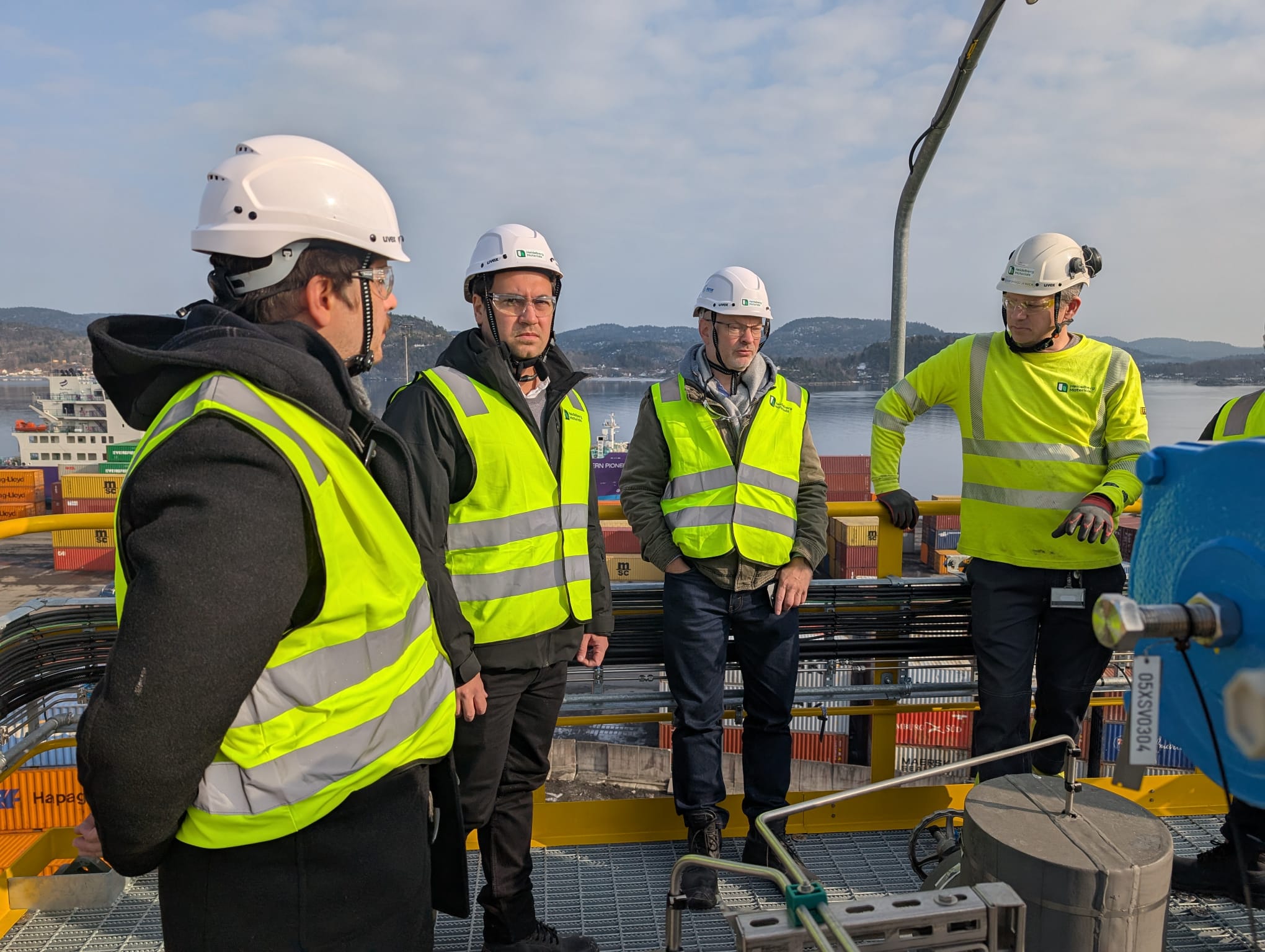
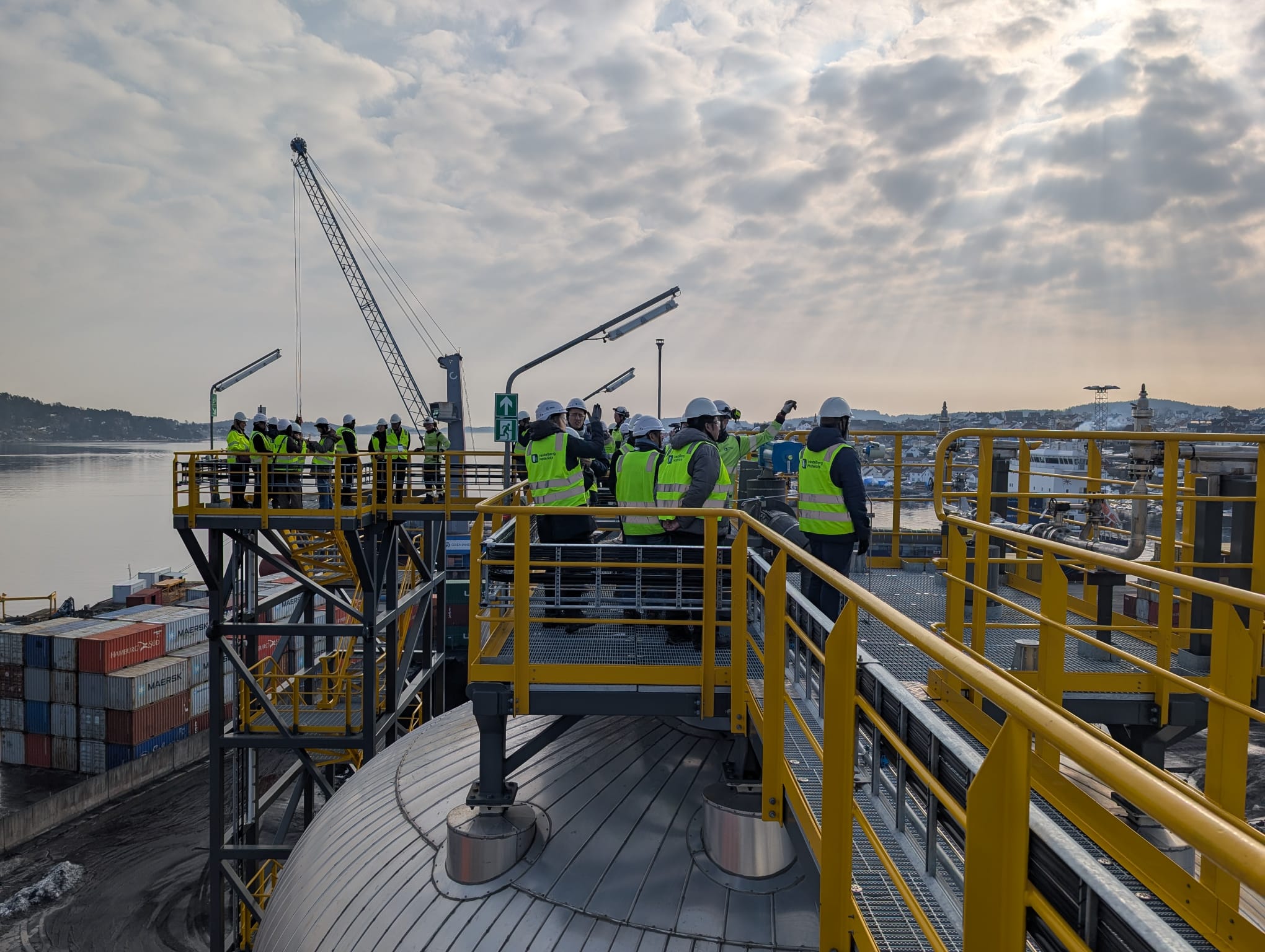
When the delegation travelled to Norway, they visited Heidelberg Materials’ carbon capture and storage facility (CCS) in Brevik, which is the world’s first industrial-scale CCS in the cement sector. The plant has been operational since mid-2025 and is designed to capture approximately 400,000 tonnes of CO₂ per year. The captured CO₂ is temporarily stored on site before being transported and permanently stored under the North Sea, demonstrating a complete industrial carbon capture value chain. The project is part of the Longship Project and was funded through a public-private partnership, with the Norwegian government providing the majority of financial support. The visit offered delegates a practical look at carbon capture technology in a major industrial emitter, illustrating both the engineering systems and the broader infrastructure, governance, and market conditions needed to make CCS an effective part of deep decarbonization strategies.
Another pioneering low-carbon project in Norway is Yara Chemicals’ site at Herøya, one of the first globally where renewable hydrogen produced by electrolysis replaces natural gas in an existing large ammonia plant. This directly enables low-emission green ammonia and fertiliser, rather than fossil-based production. For the delegation, this highlighted a “retrofit” solution and underscored the central role played by green hydrogen in many decarbonization pathways.
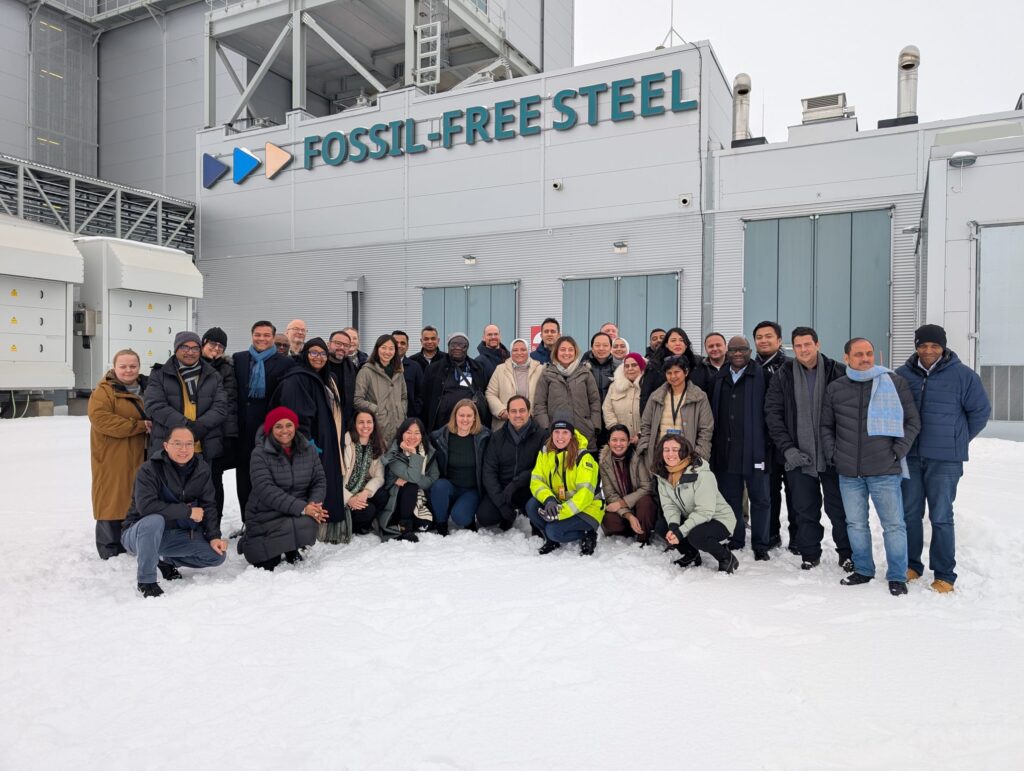
Visit to the Hybrit fossil-free steel pilot plant in Luleå. Photo: Jane Birch/LeadIT
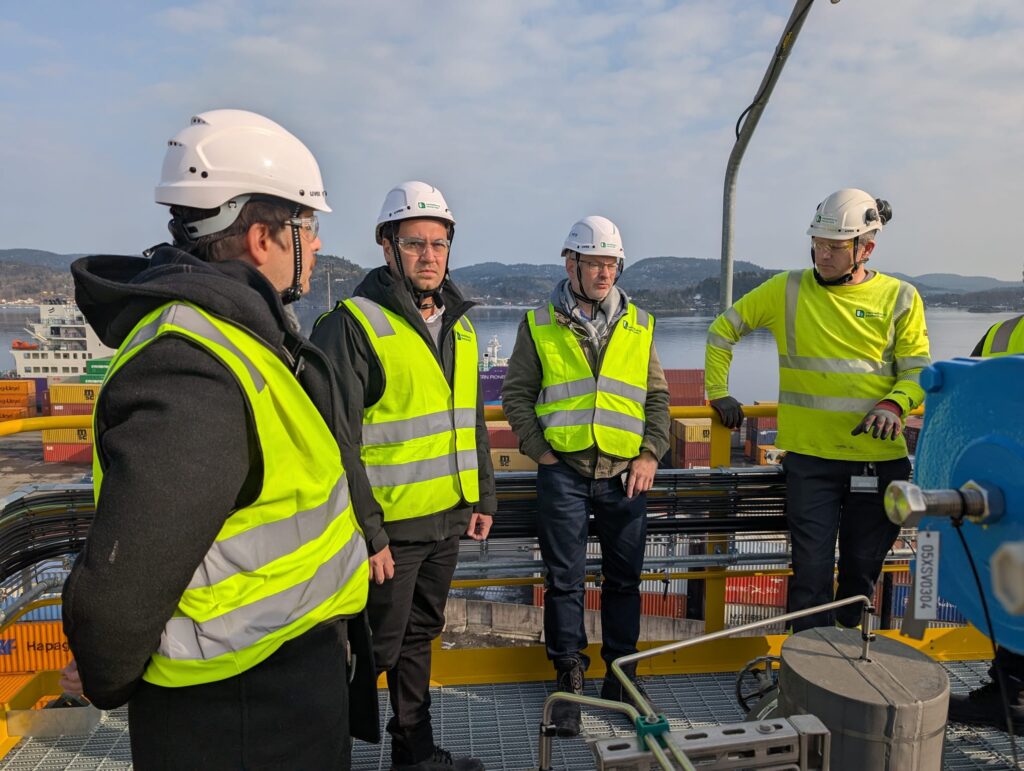
The world's first industrial-scale CCS at a cement plant, Heidelberg Materials, Brevik. Jane Birch/LeadIT
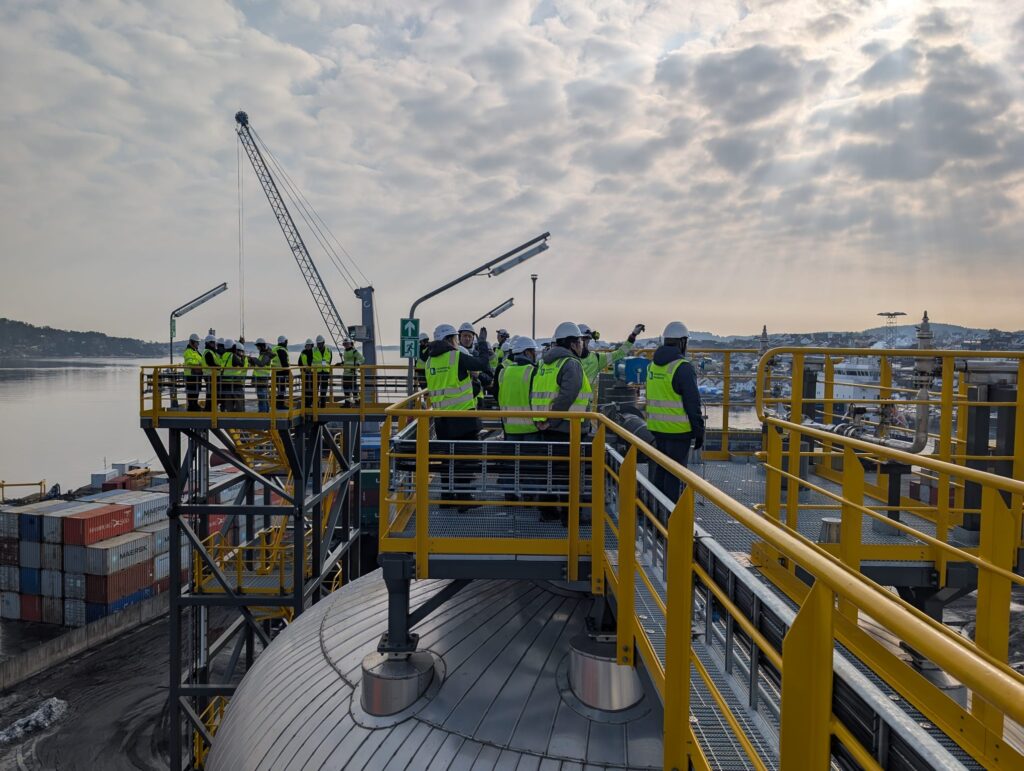
On top of the CO2 storage tanks at Heidelberg Materials CCS in Brevik. Photo: Jane Birch/LeadIT
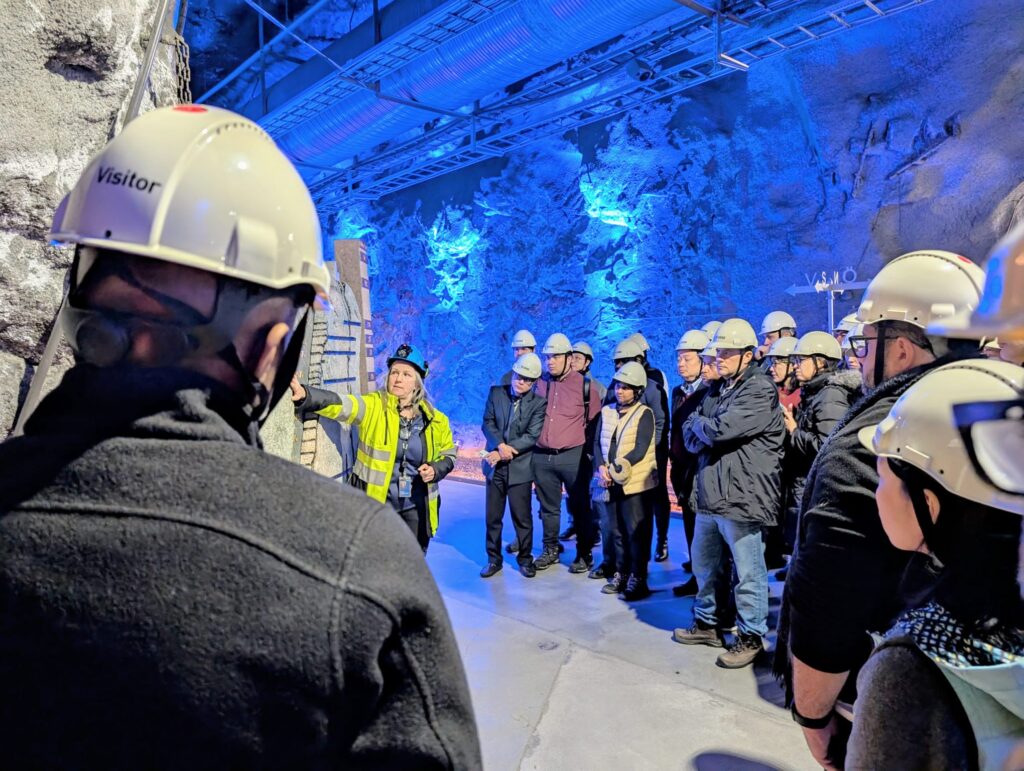
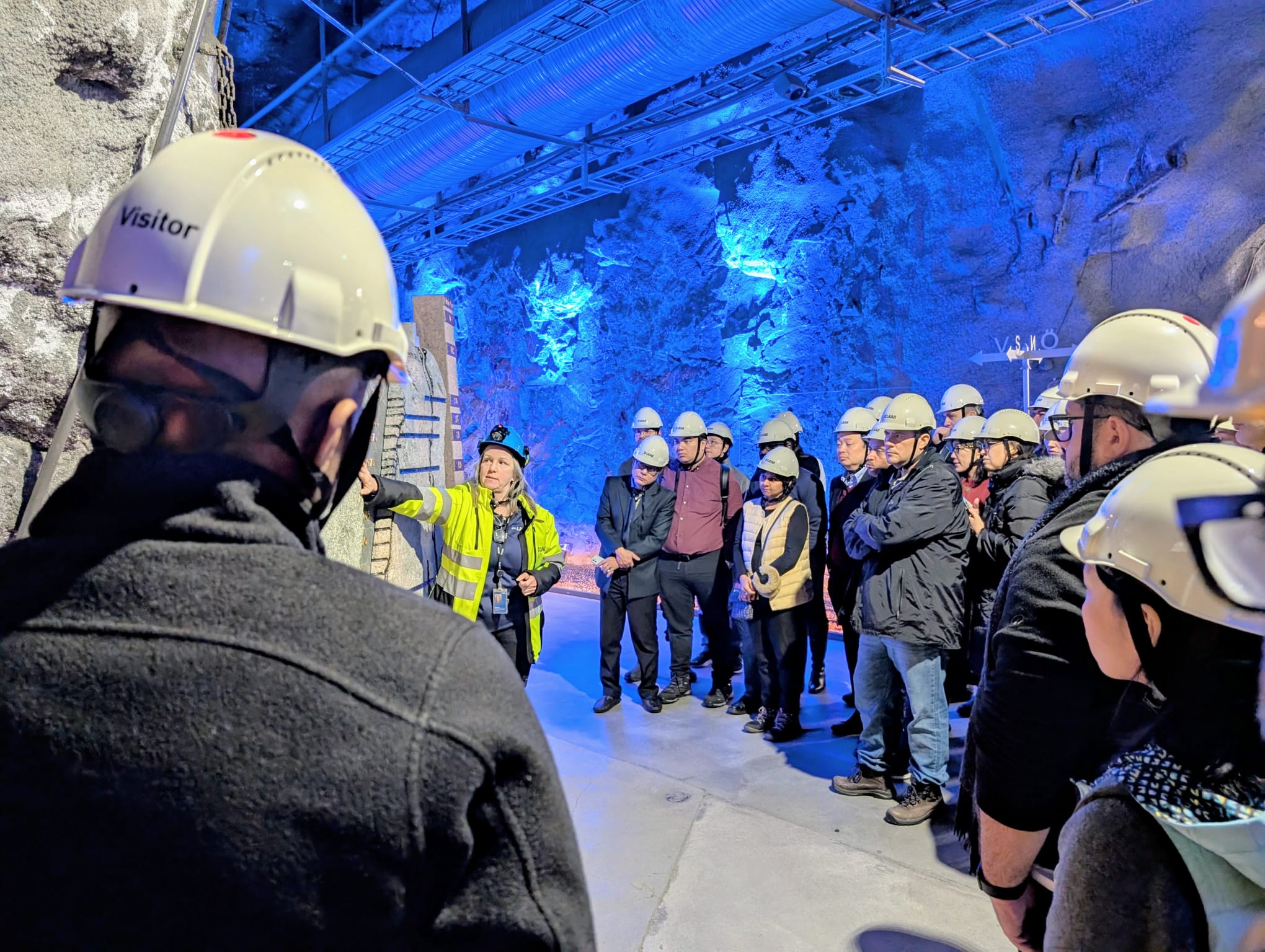
Presentation of the development of mining in Kiruna with LKAB. Photo:Jane Birch/LeadIT
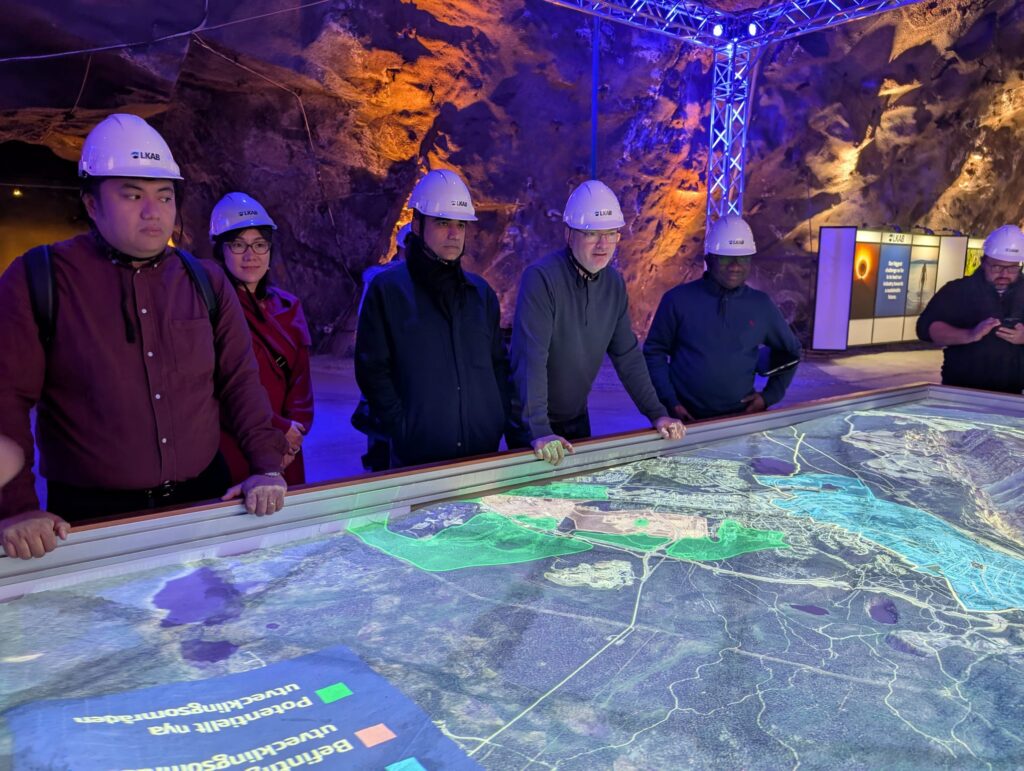
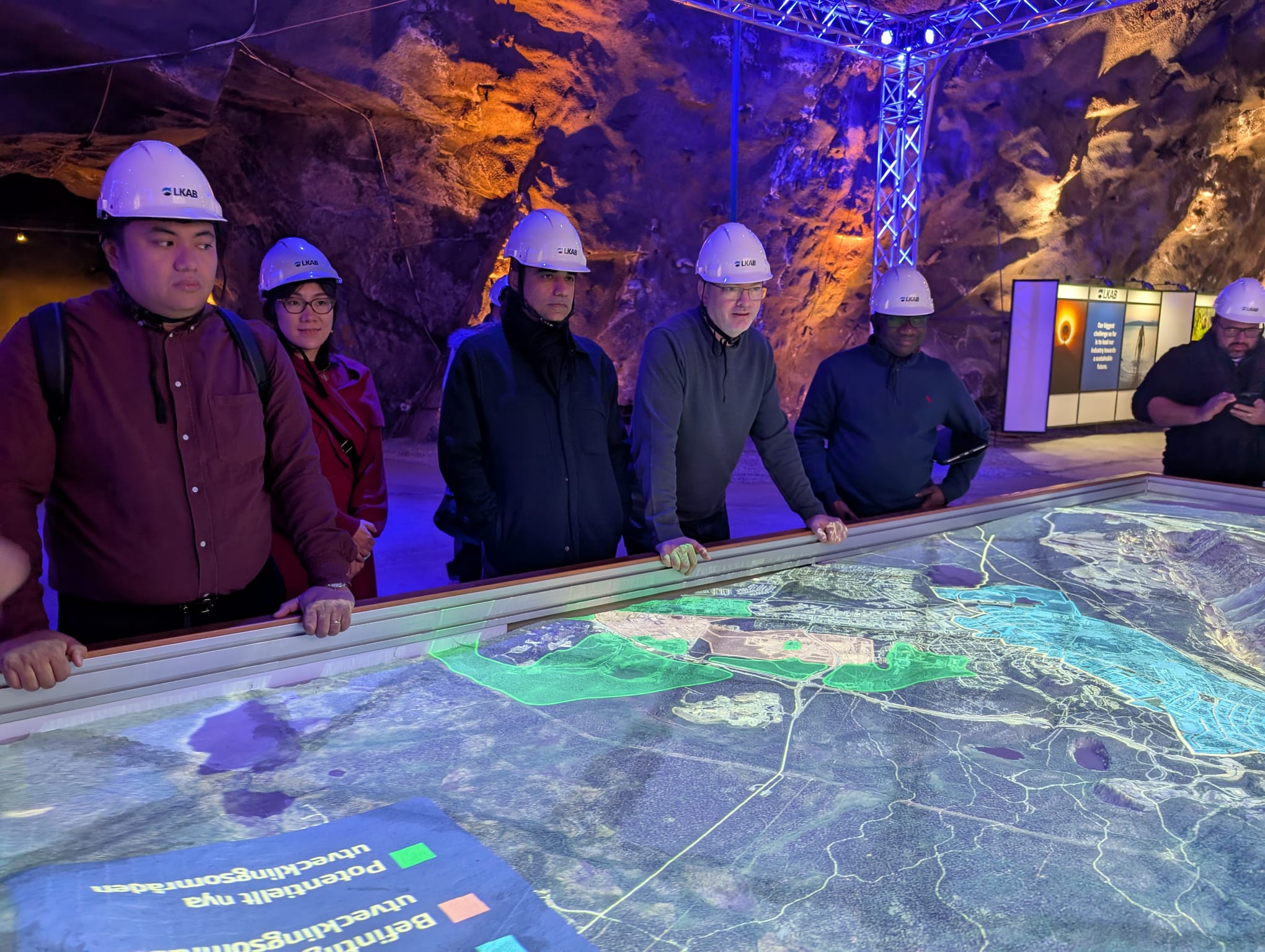
Map of expansion plans at LKAB mine, Kiruna. Photo: Jane Birch/LeadIT
Green hydrogen in focus
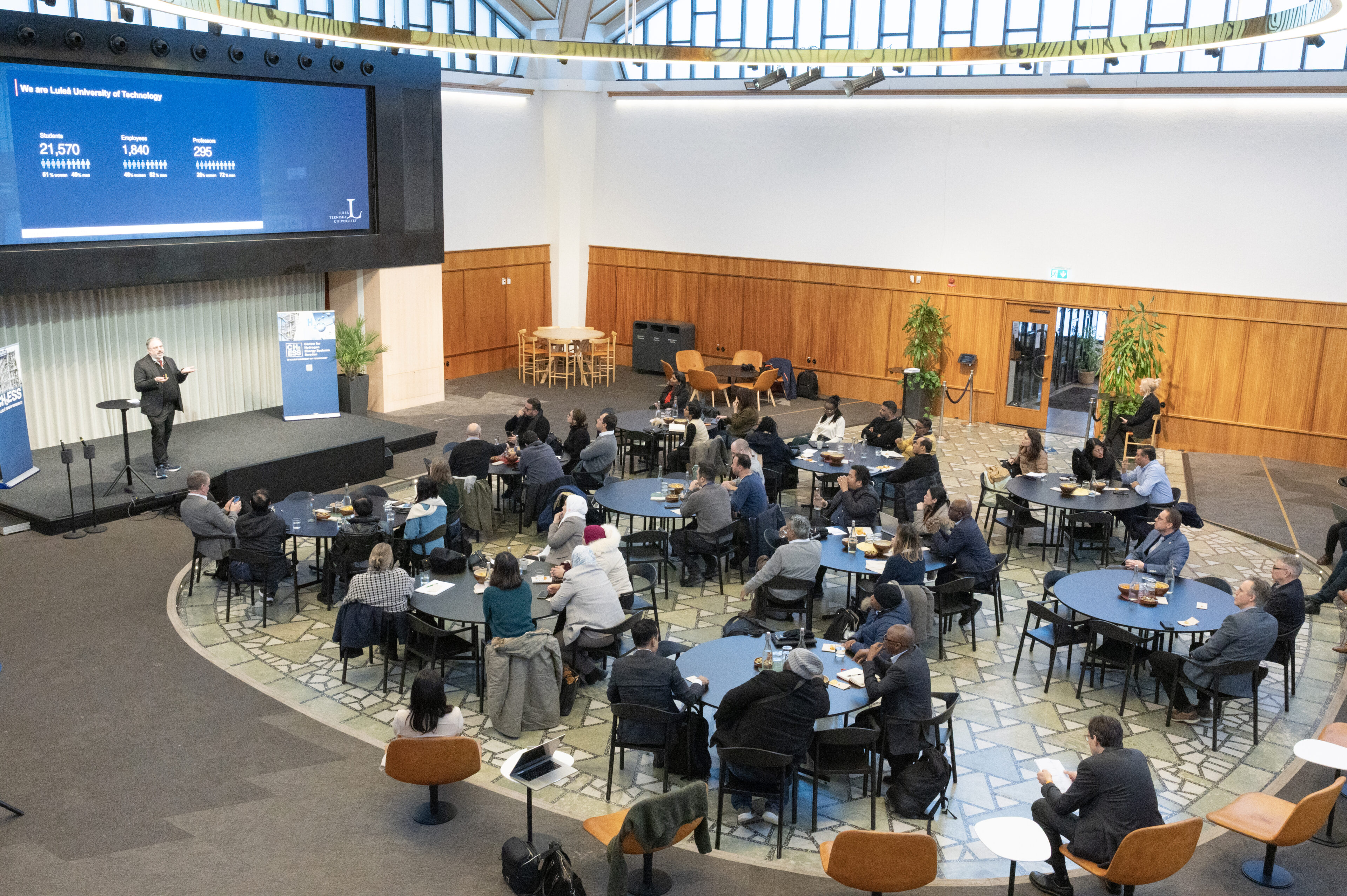
The delegation met with representatives from Centre for Hydrogen Energy Systems Sweden (CH2ESS), a research and knowledge initiative at Luleå University of Technology that supports hydrogen use in industrial processes and energy systems through education, research, and collaboration between academia, industry, and society. Brazil and India shared country ambitions and strategies to advance hydrogen development, such as India’s National Green Hydrogen Mission and Brazil’s development of green hydrogen hubs. The joint discussions addressed socio‑economic effects, local community engagement, green industrialization and technological development, safety and permitting processes, as well as coordination between local, regional and national levels. Participants included university researchers, representatives from Region Norrbotten, the County Administrative Board of Norrbotten, Invest in Norrbotten, and the municipalities of Luleå, Gällivare and Piteå, as well as Boden Business Park.
It has been an interesting experience to understand both the softer aspects and technical aspects of the issues and solutions around green hydrogen value chain and it's journey in Sweden. The lessons learned and the implementation experience are invaluable for the countries that are starting the adoption of industrial decarbonization pathways.

Surbhi Goyal
Senior Energy Specialist, World Bank Group, India.
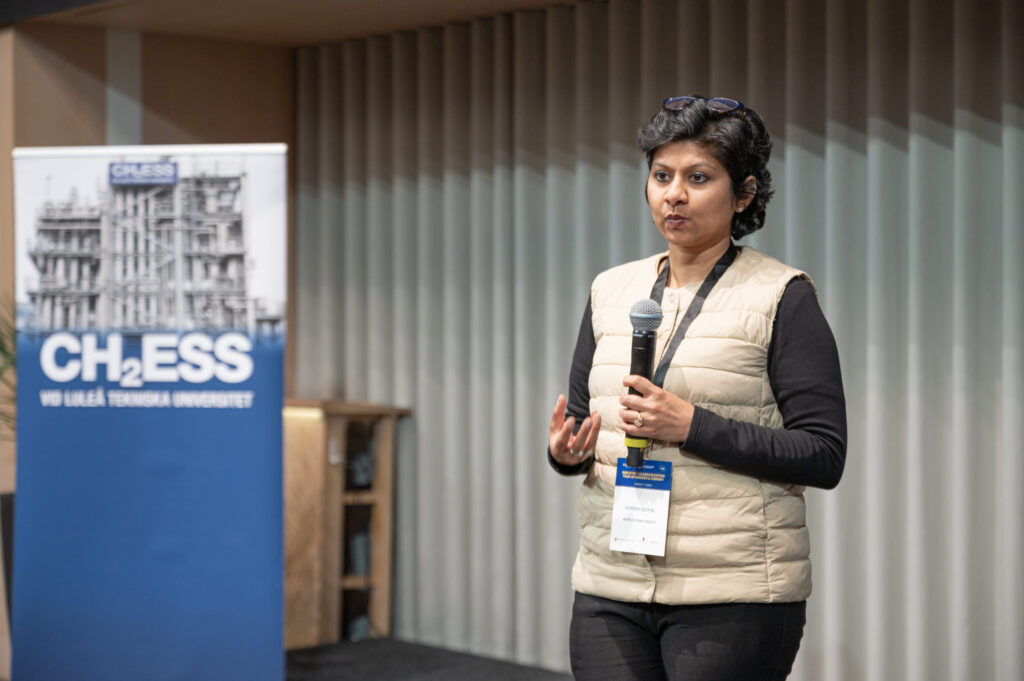
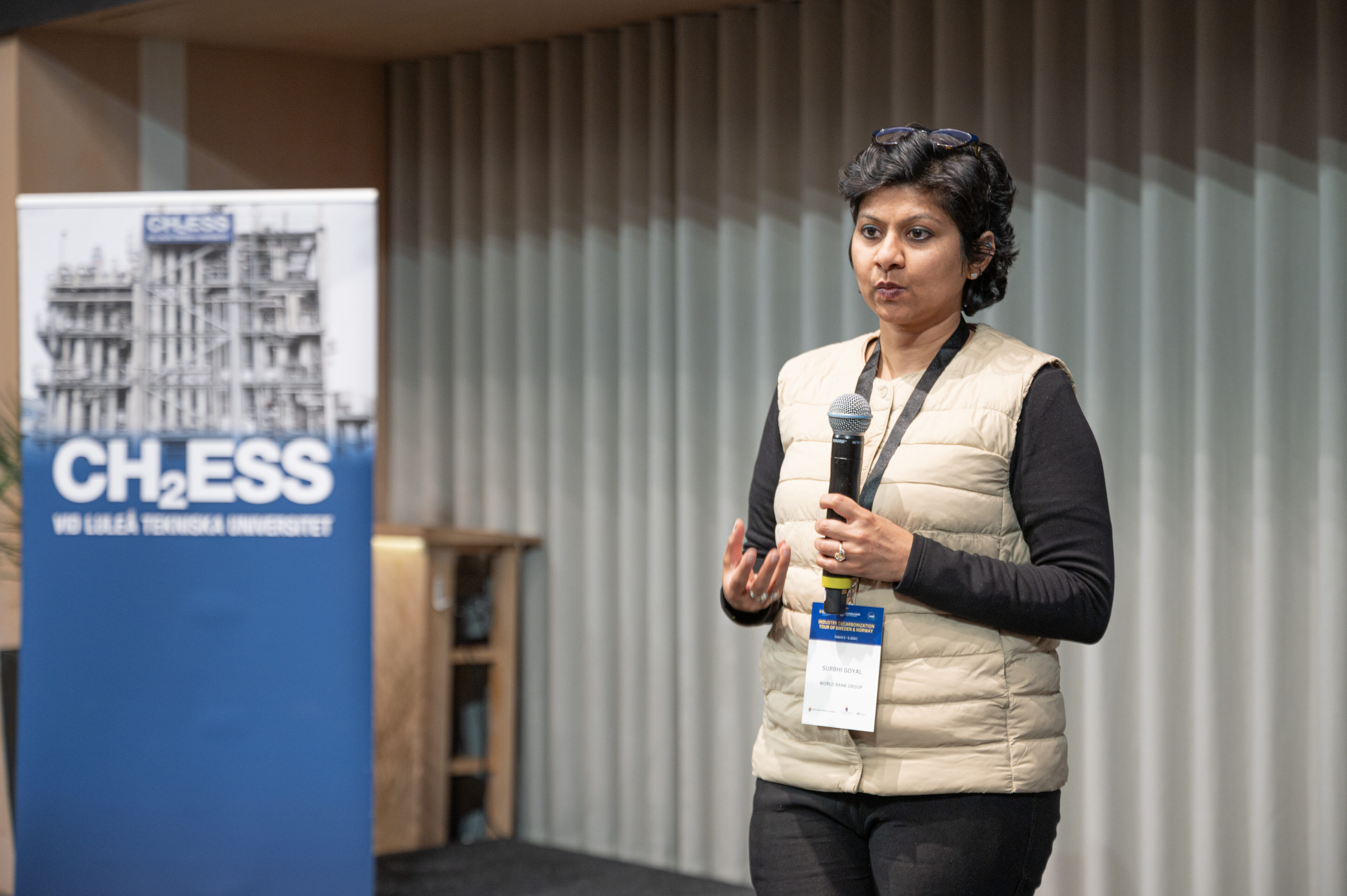
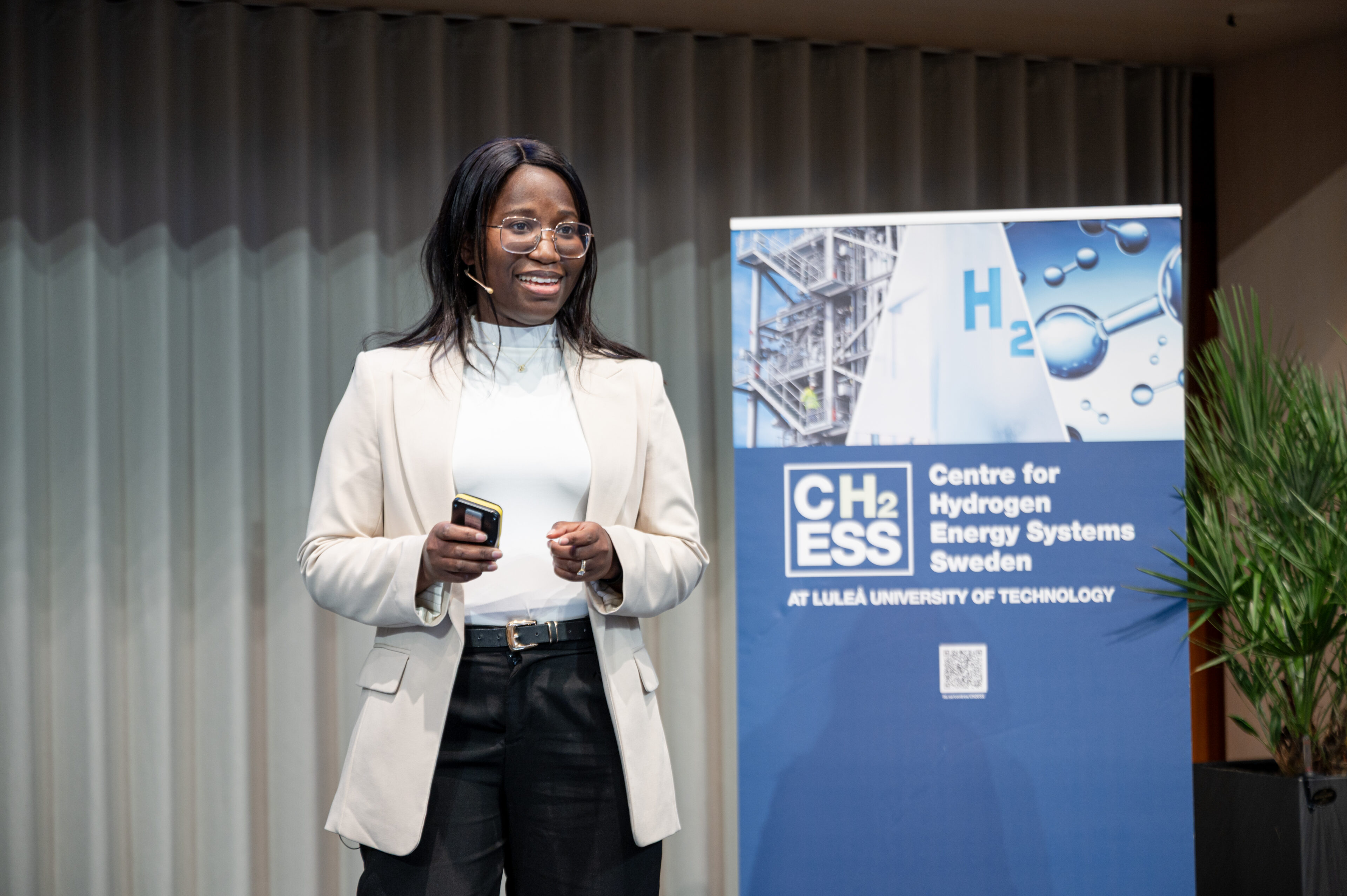
Surbhi Goyal, World Bank Group at CH2ESS. Photo: Staffan Westerlund/LTU

Sara Budinis, ESMAP, Yousra Assaker, World Bank Group, Egypt and Emiliano Portela, Banco do Nordeste, Brazil. Photo…
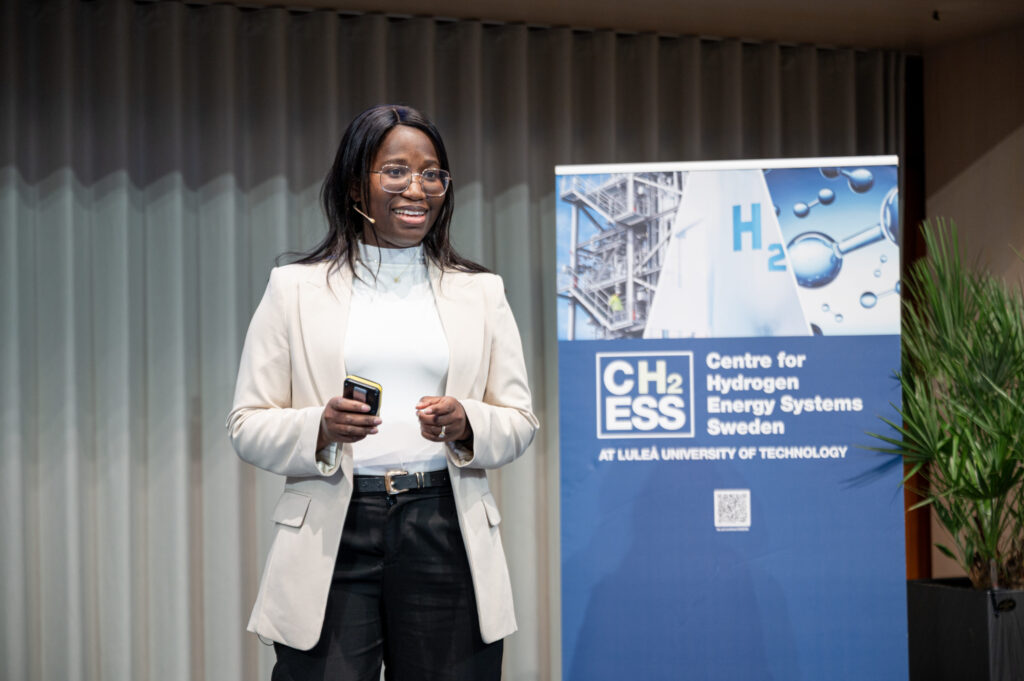
Rhoda Afriyie Mensah, researcher in Fire Technology, CH2ESS. Photo: Staffan Westerlund/LTU
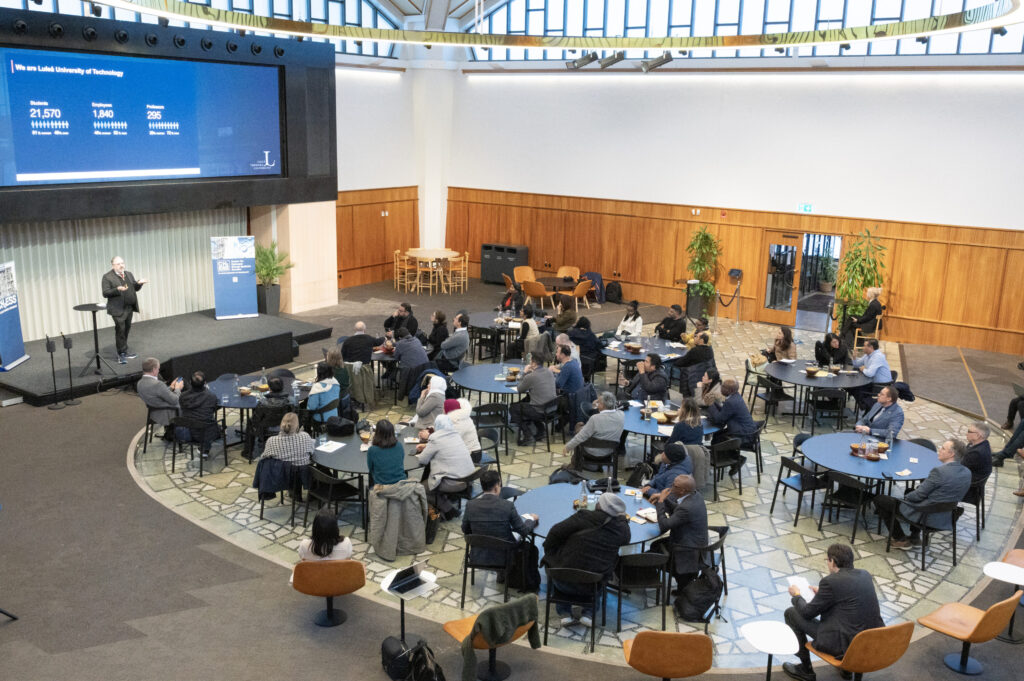
Visit to CH2ESS Photo: Staffan Westerlund/LTU

Key Takeaways
The study tour generated key insights into the policy, financing, technology, and institutional conditions needed for industrial decarbonization. Participants identified shared challenges, including limited financing, infrastructure gaps, capacity constraints, and the need for clearer policy direction. Discussions also highlighted growing momentum in sectors such as hydrogen and CCUS, and the importance of coordination and long-term partnerships. Overall, the exchanges underscored that moving from ambition to implementation requires integrated policies, scalable finance, infrastructure readiness, and inclusive governance.
For me, the key takeaways during this tour are actually the importance of collaboration and the importance of government taking the leadership so that the industry can rally behind you. You need to actually walk the talk and set the policy tone. Also what is very important for me is the issue of policy certainty. People need to understand where you are going, how you are going to get there, and who you are taking with you.

Nyakallo Dlambulo
Director, Ferrous Metals, Department of Trade, Industry & Competition, South Africa
- Large industrial decarbonization projects depend on political leadership, and clear, predictable and long-term policy direction.
- It takes a whole ecosystem approach. Successful projects bring together government at all levels, industry, and academia. Decarbonizing heavy industry requires coordinated action.
- Demand is as important as supply. Markets for green products need to be created with tools like green public procurement, standards, and certification. Without clear market pull, investments in low‑carbon technologies remain high‑risk and difficult to justify. Carbon pricing is an essential part of demand-side strategies.
- Technology matters, but finance is the real enabler. Scaling industrial decarbonization requires project finance models that distribute risk and blend public and private capital. All site visits in both Sweden and Norway highlighted the substantial involvement of the state in the decarbonization projects, either directly via grants and subsidies or indirectly through state-owned enterprises (SOEs).
- Industrial transformation can only advance at scale when it is inclusive, just and allows communities to thrive alongside industry. Early dialogue and community engagement are critical pillars of the transition and transparency around tangible socio-economic benefits like job creation are essential.