
Stegra, founded in 2020, is a Swedish industrial start-up with a mission to eliminate CO2 emissions in the hard-to-abate steel sector. The compay says it wants to start a clean industrial revolution, and we’re delighted to welcome them to LeadIT to share and support that ambition to decarbonize at scale. Membership was announced during the LeadIT Climate Week event in New York by Benjamin Dousa, Sweden’s Minister for International Development Cooperation & Foreign Trade.
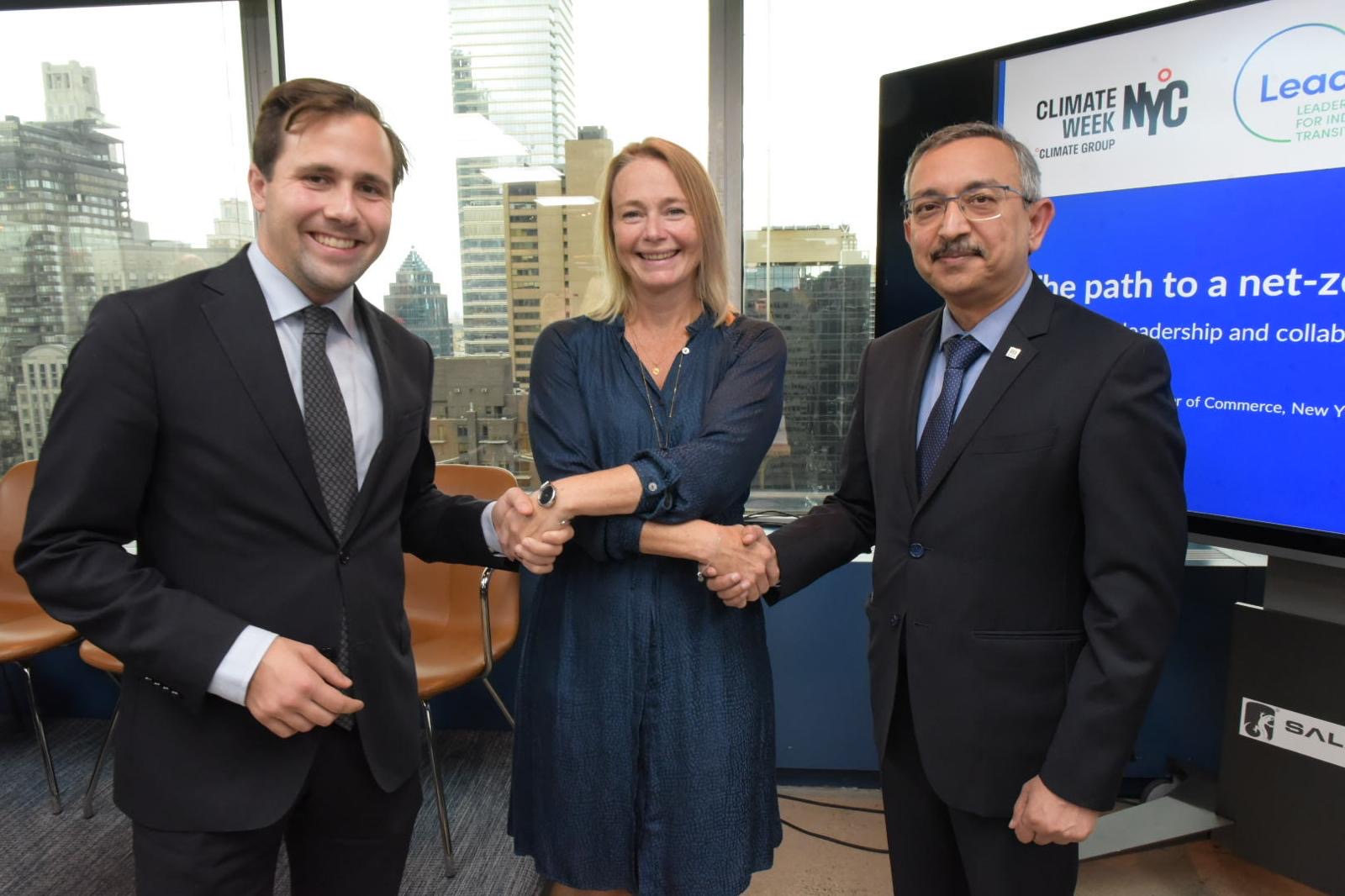 Benjamin Dousa, Minister, International Development Cooperation & Foreign Trade, Sweden; Lina Håkansdotter, Chief Sustainability & Corporate Affairs Officer, Stegra; Tanmaya Lal, Secretary, Ministry of External Affairs, India
A steel plant of the future
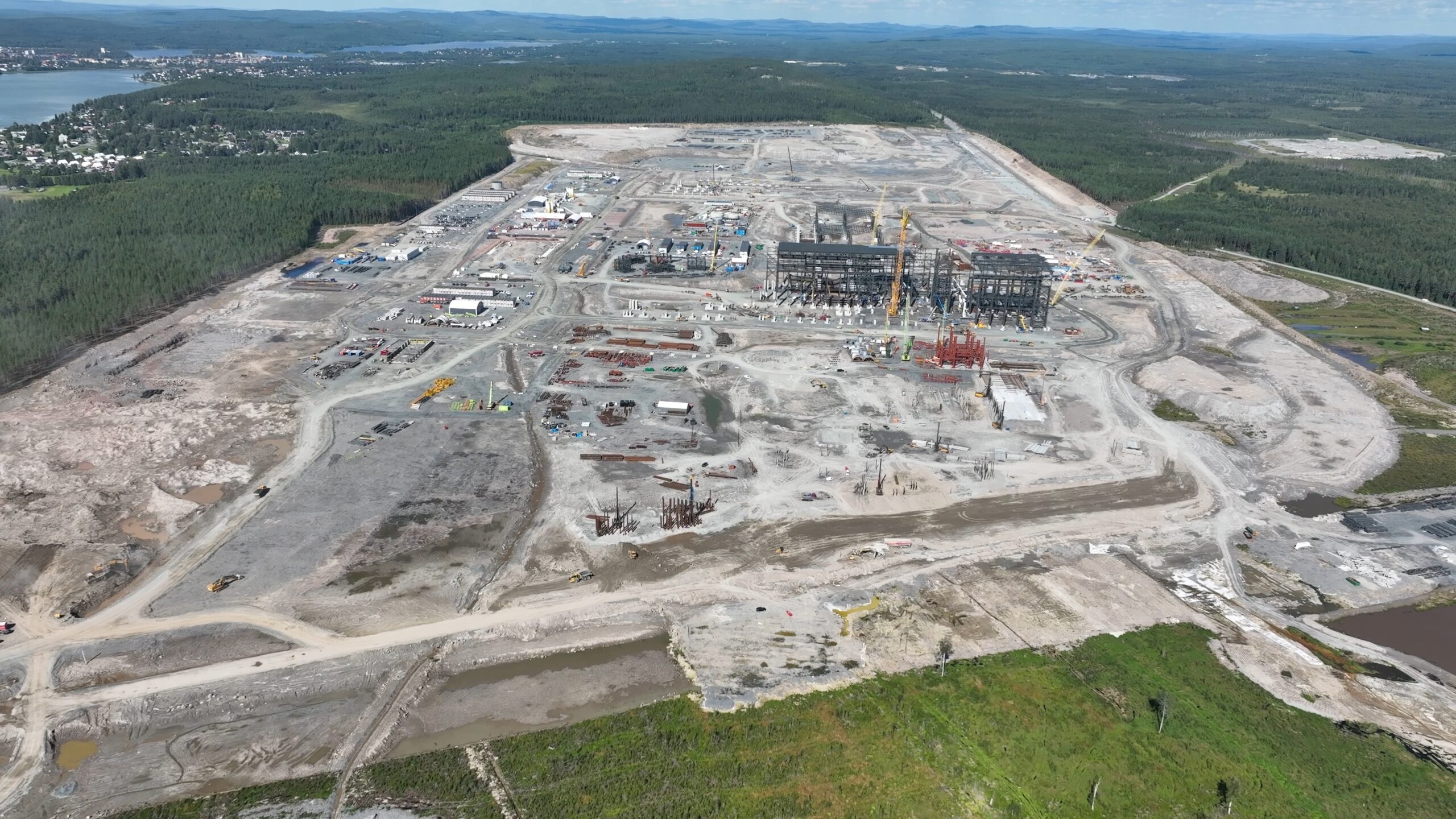
In Boden, northern Sweden Stegra is buidling Europe’s first greenfield steel mill in 50 years but this will be a steel mill unlike any other seen before. It will produce green steel in a fully integrated process replacing coal with green hydrogen and using electricity from renewable sources. Compared to steel making in Europe this promises to deliver emissions reductions of up to 95%. The €6.5 billion of funding secured by Stegra means construction is well underway and full scale production is scheduled to start in 2026.
 Stegra construction site in Boden, summer 2024/Stegra
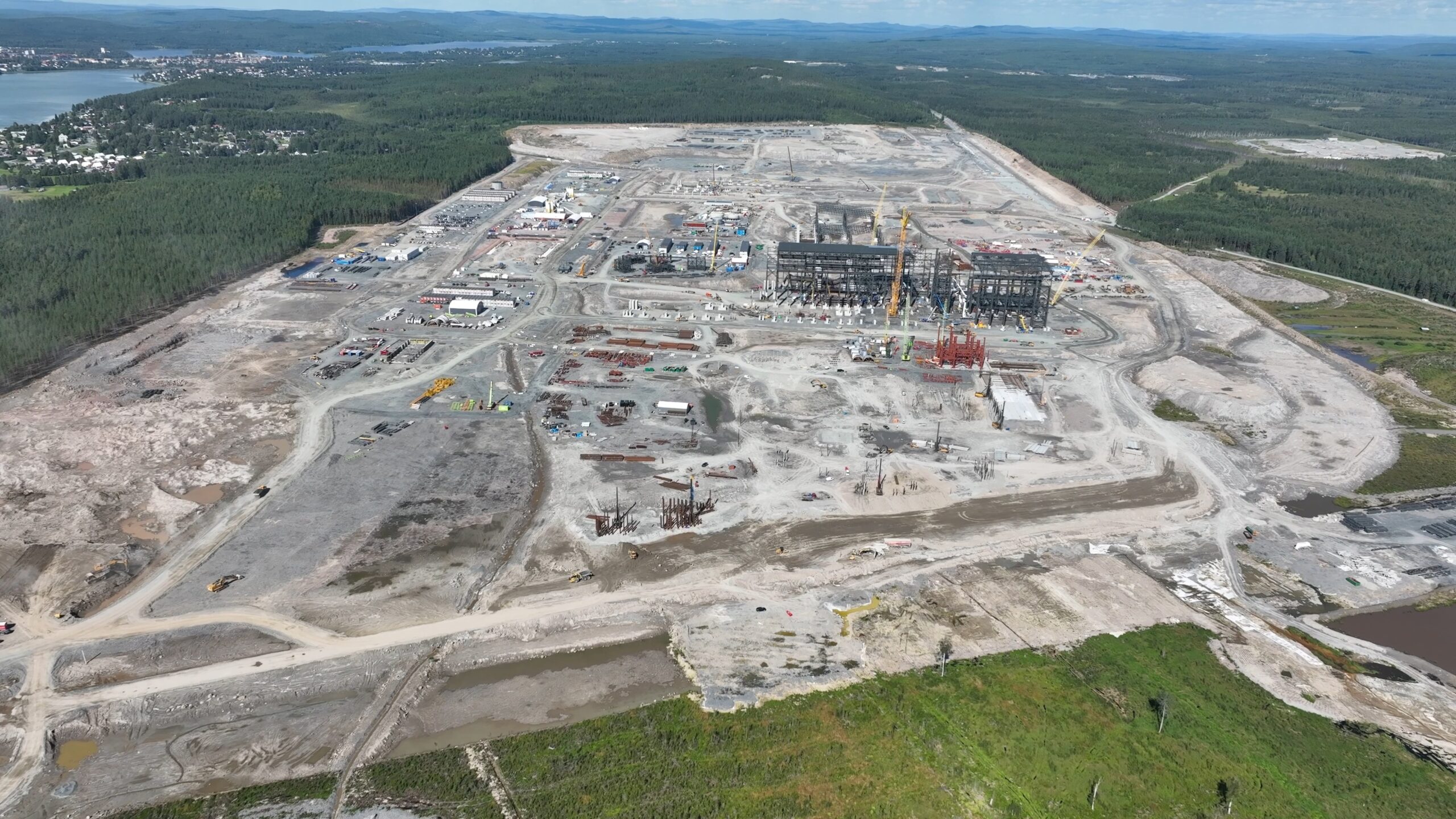 Stegra construction site in Boden, summer 2024/Stegra
Green hydrogen
Fundamental to Stegra’s plans for green steel is green hydrogen and the company is also bulidng a huge electrolyzer plant in Boden. When completed it will be one of the word’s largest and Stegra plan for it to produce enough green hydrogen to produce 5 million tonnes of steel annually by 2030. The hydrogen is green because the electrolysis process which makes the hydrogen is powered by renewable electricity.
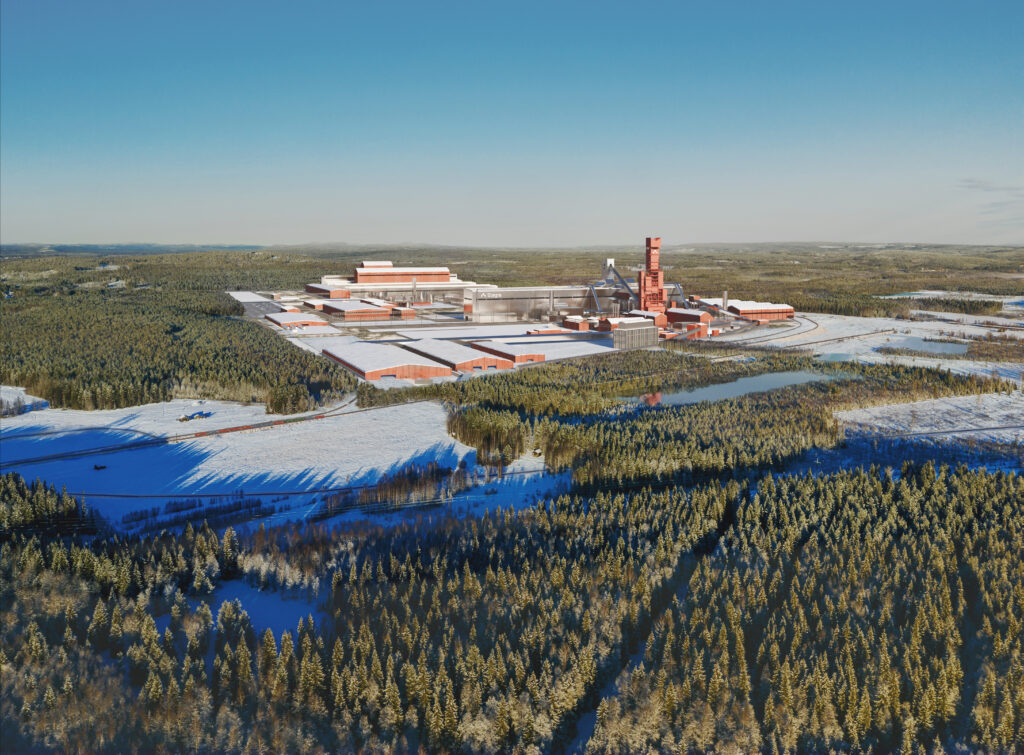 A impression of the finished site in Boden/Stegra
Ambitions beyond Sweden
Stegra is now looking to take it’s decarbonization mission outside of Sweden to new projects and locations under consideration in the long term include Portugal, Canada and Brazil.
Read our interview with the Stegra CEO, Henrik Henriksson as he outlines his vision for the future of steel and heavy industry.
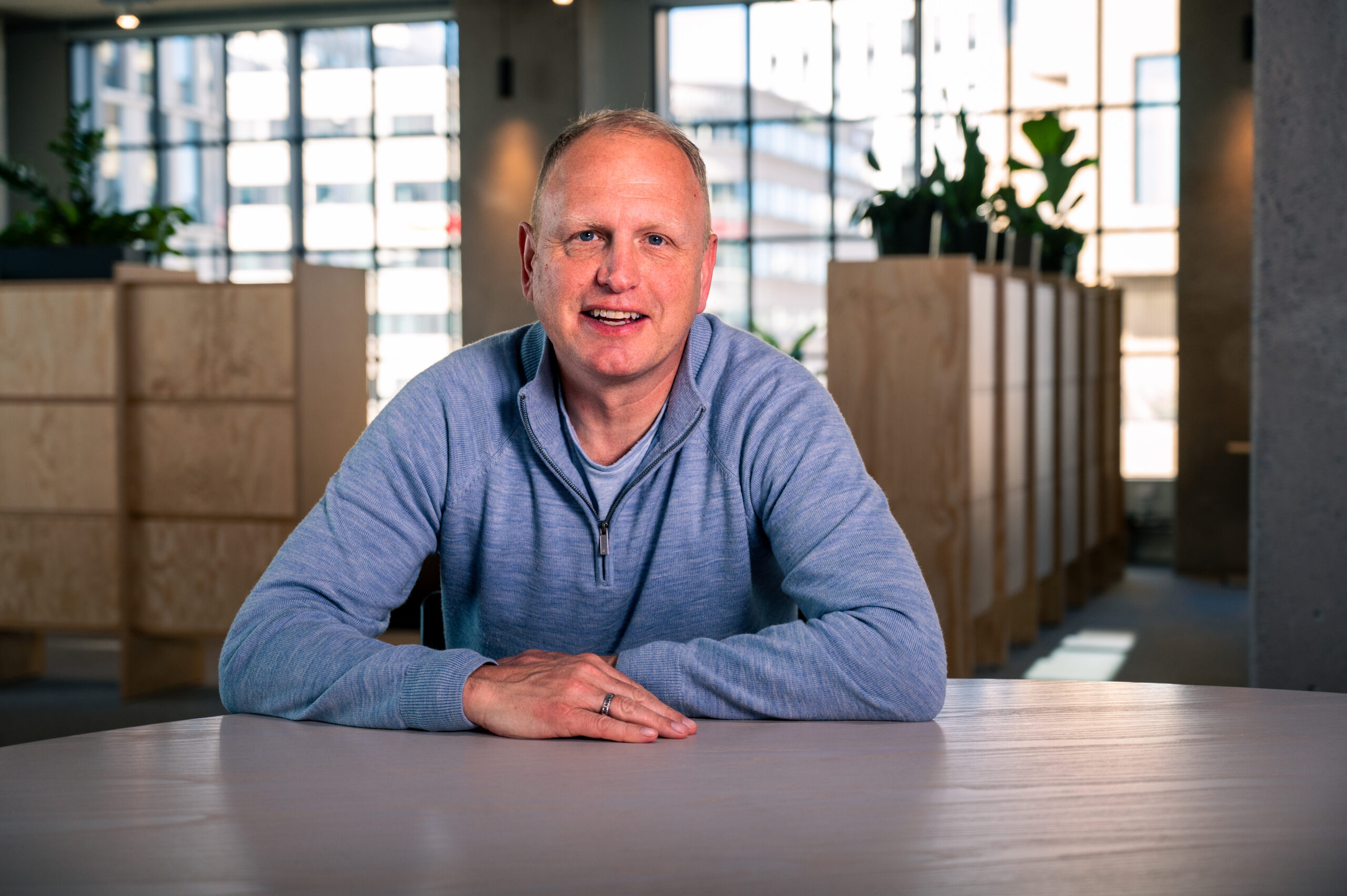 Henrik Henriksson, CEO, Stegra/Stegra
Why did Stegra want to join LeadIT?
What will Stegra bring to LeadIT?
In the process of getting the Boden project fully financed and in the ongoing construction, our innovation approach has gone beyond technology to encompass finance, market development, policy analysis, and digitalization.
Stegra also strives to reach gender equality among our staff, including the management team, which is unusual in the steel sector, and we have ambitious sustainability policies across the business. We believe that our approach and our experiences can inspire the LeadIT initiative as a whole and enable a faster decarbonization of the global industry.
What is Stegra’s vision for the steel sector and other heavy industry of the future?
It is also important that actors in the value chain such as steel purchasers and end-consumers of goods including steel demonstrate a demand for these decarbonized materials. Since the global demand for steel is expected to grow for many decades, resource efficiency measures and the availability of scrap will not be sufficient to meet demand. It is therefore crucial that the production of virgin steel is decarbonized, especially in the iron-making stage which is responsible for most CO2 emissions. To put the sector on a 1.5C path will need a range of solutions but the most promising currently is hydrogen-based direction reduction which Stegra utilizes.