


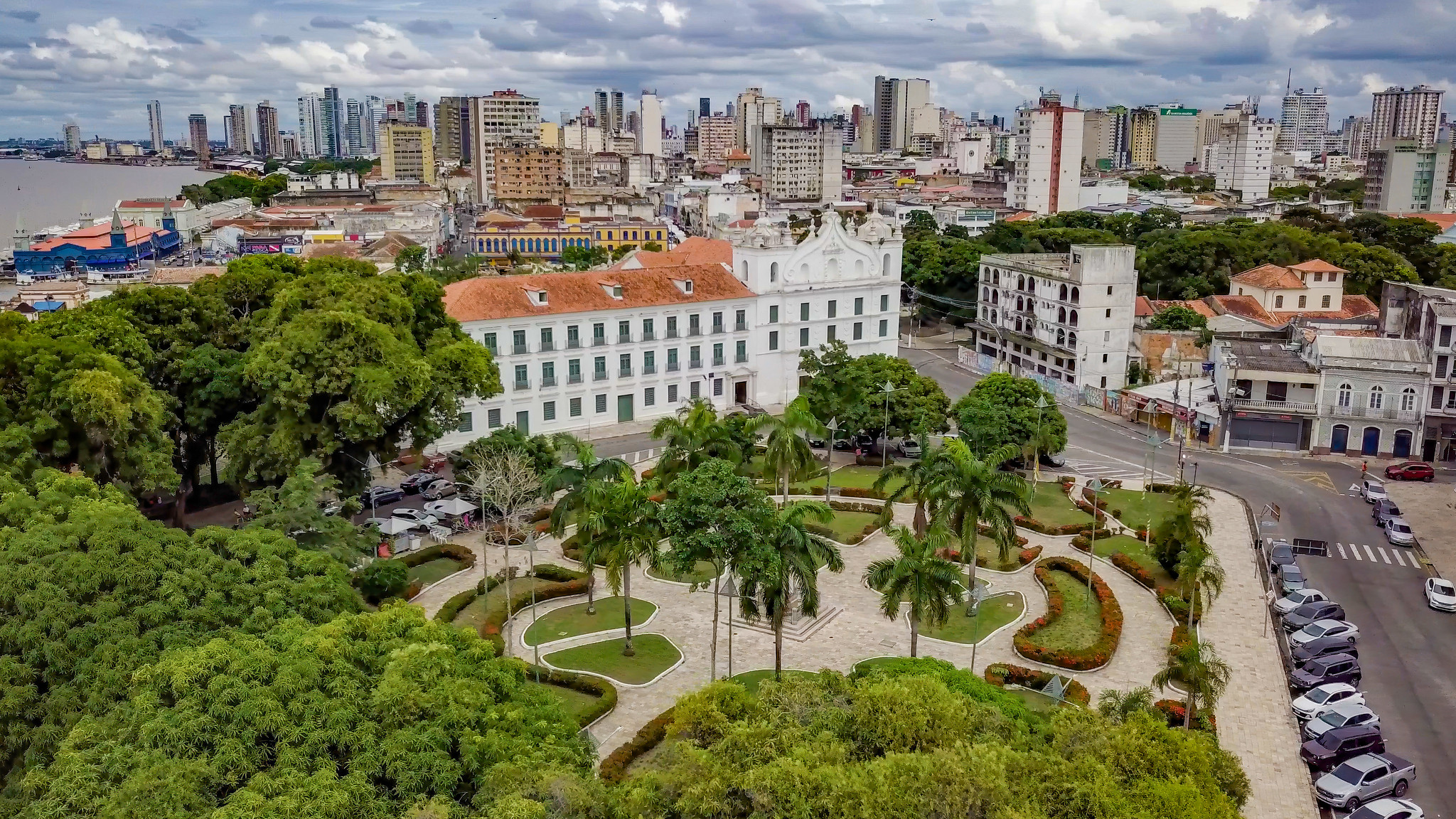
COP30, formally the 30th Conference of the Parties to the United Nations Framework Convention on Climate Change (UNFCCC), hosted by the Government of Brazil, takes place in the city of Belém, Brazil’s gateway to the Amazon. LeadIT is hosting several events and working with partners on a range of other engagements.
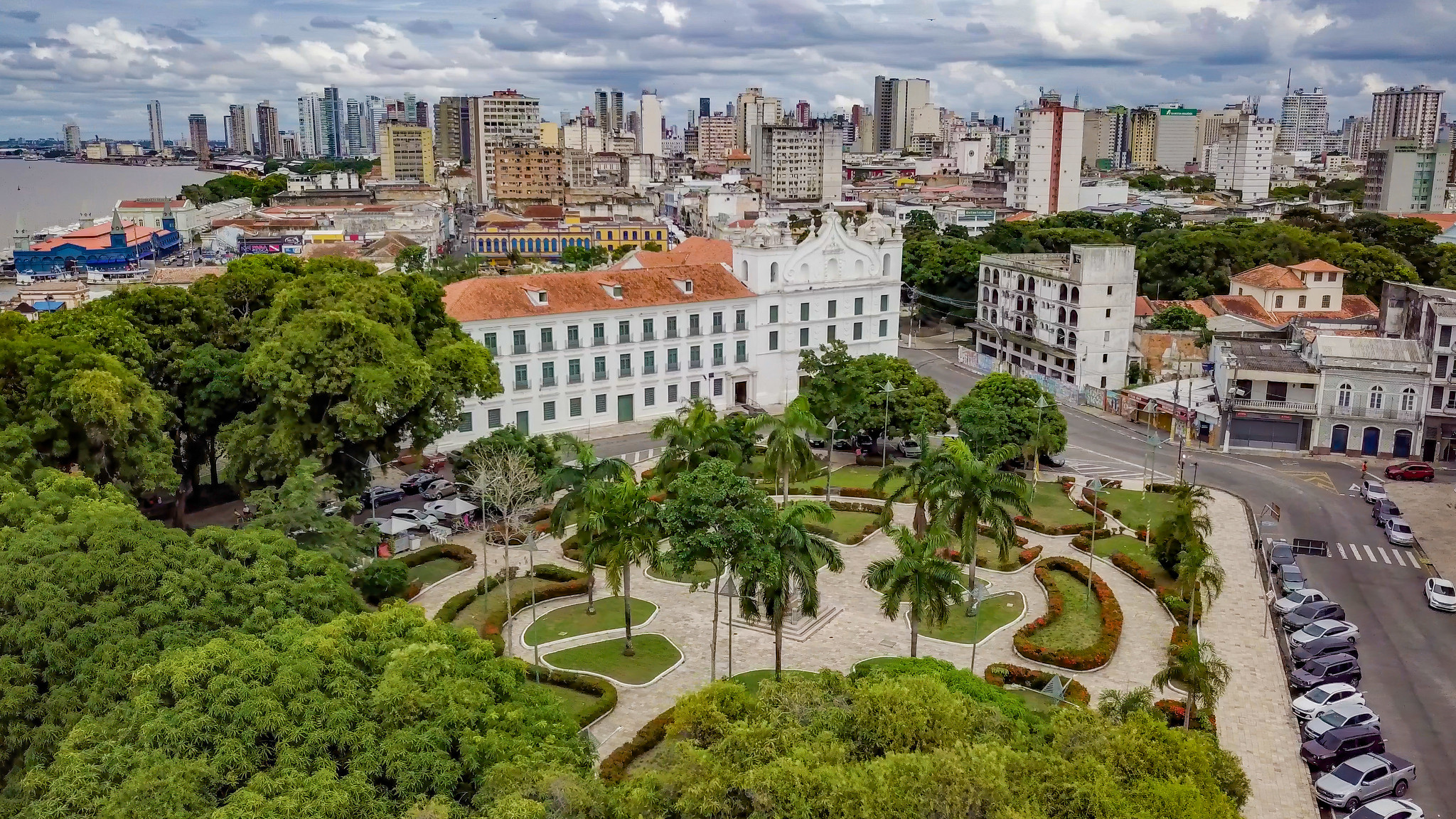
Belém, Brasil. Photo: Rafa Neddermeyer/Cop30 Brasil
About COP30
The conference brings together world leaders, scientists, non-governmental organisations, and civil society leaders to discuss actions to tackle climate change. Ahead of the main conference, a Heads of State Summit will take place on 6–7 November.
Alongside the formal intergovernmental negotiations, the COP Presidency is prioritising the Action Agenda, which is a complement to the formal talks and allows non-state actors and subnational actors to accelerate the implementation of climate action.
This agenda has six pillars covering efforts for mitigation, adaptation, finance, technology, and capacity-building and is operationalised in 6 thematic axes
Axis 1: Transitioning Energy, Industry, Transport
Axis 2: Stewarding Forests, Oceans, and Biodiversity
Axis 3: Transforming Agriculture and Food Systems
Axis 4: Building Resilience for Cities, Infrastructure and Water
Axis 5: Fostering Human and Social Development
Axis 6: Cross-cutting issues – Unleashing Enablers & Accelerators, including on Finance, Technology & Capacity Building
The thematic axes are divided into 30 key objectives with activation groups engaged in work on each objective. LeadIT is specifically engaged in Axis 1 as a participant in the Activation Group on “Accelerating zero and low emission technologies in hard-to-abate sectors”.
LeadIT events
14 November – Technology, Transition and Trust: “the role of trade and international cooperation for just and equitable industrial decarbonization”
Time: 15:00–16:00
Location: Open Society Foundations Pavilion, Blue Zone
Context and purpose
Heavy industry (e.g., steel, cement) accounts for about a quarter of global CO₂ emissions and requires diffusion and massive scaling of clean technologies—including hydrogen-based steelmaking and carbon capture, utilization, and storage (CCUS)—to reach net zero. Yet in many emerging and developing economies, deployment is held back by high costs of technology and capital, policy and financing challenges, and the need to adapt technologies to local production processes while building capacity and skills for endogenous technology development.
Objectives of the Session
This session co-organised with TESS, will examine how trade policy and international cooperation can deliver technology where it is needed by leveraging trade in environmental goods and services, enabling Intellectual Property Rights (IPRs) and licensing models (such as patent pools, shared IPR and co-development, off-patent use, and concessional licensing), and strengthening investment partnerships and finance mechanisms (including concessional financing, public–private partnerships, and cooperation through Article 6 of the Paris Agreement).
Panellists will discuss strategies to overcome cost barriers, enable technology adaptation and maintenance, and expand participation of developing countries in low-carbon industrial value chains, creating the conditions for an equitable and competitive transition.
15 November – LeadIT members breakfast and networking mingle
Time: 08:15–08:45
Location: Swedish Pavilion meeting room, Blue Zone
By invitation only
15 November – Action Agenda Axis 1 Transitioning Energy, Industry, Transport – a showcase of highlighted results & solutions “Clean industry: real projects, real progress, real bright spots”
Time: 11:00–12:00
Organisers: LeadIT, Climate Club, Industry Transition Accelerator (ITA) and the Alliance for Industry Decarbonization (AFID).
Location: Axis 1 Thematic Space, Blue Zone
Context and purpose
The clean industry transition is no longer a distant ambition—it is unfolding now, reshaping economies and redefining industrial leadership. This high-level COP30 side event will spotlight the accelerating momentum of clean industrial development across energy-intensive sectors, showcasing real-world examples of policy innovation, investment breakthroughs, and collaborative action.
Find all Action Agenda events here
17 November – LeadIT industry leaders’ roundtable “From ambition to investments: scaling industry transition this decade”
Time: 15:45–16:45
Location: UNFCCC special event room, Madeira, Blue Zone
Context and purpose
As the world approaches the tenth anniversary of the Paris Agreement and 2030 milestones draw closer, the pace and scale of industrial transition will determine whether global climate and economic goals remain within reach. The Leadership Group for Industry Transition (LeadIT), co-chaired by India and Sweden, brings together governments, industries and international partners committed to accelerating the shift to low-carbon, competitive industrial value chains.
At COP30 in Belém, the LeadIT co-chairs will convene a high-level roundtable of governments, industry, and international initiatives to take stock of progress and chart the next phase of global industrial cooperation.
Outputs
A summary note will be circulated to COP30 Activation Group 2 “Accelerating zero and low emission technologies in hard-to-abate sectors” (Axis 1 of the Action Agenda)
Find all UNFCCC and Partner events here