



Since its foundation in 1975, JKCement has been at the heart of India’s growth story and is now one of the country’s leading manufacturers of cement and home building solutions. JKCement has made sustainability a strategic priority with a public commitment to achieve net-zero carbon emissions by mid-century. Its decarbonization efforts include increasing the use of renewable energy, deploying waste heat recovery systems, improving energy efficiency, and reducing clinker intensity.
JK Cement key facts
- The Company’s Grey Cement capacity is 28.26 MTPA, making it a leading manufacturer with a strong presence across 22 Indian States.
- With a total White Cement and Wall Putty Capacity of 3.05 MTPA, JK White Cement is sold in 38 countries around the globe.
- Whilst India is the company’s primary base, it also has a global presence with manufacturing in the United Arab Emirates and Africa.
LC3 calcined clay cement pioneers
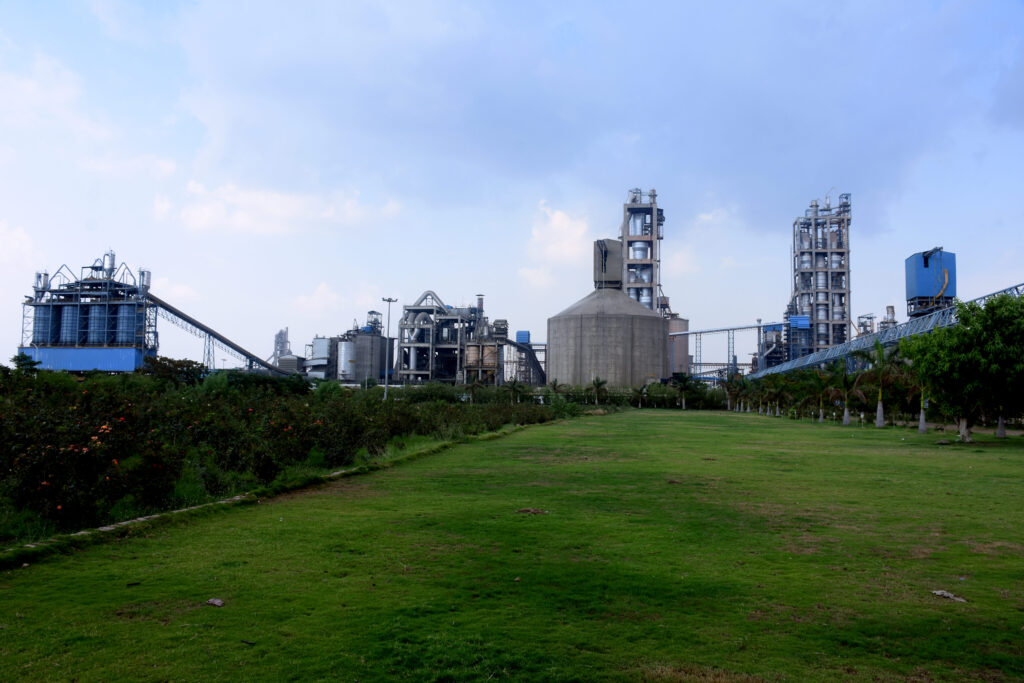
In June 2025, JKCement became the first cement company to start the commercial production of limestone calcined clay cement (LC3) in India at its Mangrol cement facility. LC3 reduces carbon emissions by up to 40% compared to traditional Portland cement. Achieving full-scale production was the result of a strategic collaboration with the Indian Institute of Technology, Delhi. The first major infrastructure use of LC3 from JKCement is at Noida Airport in Uttar Pradesh.
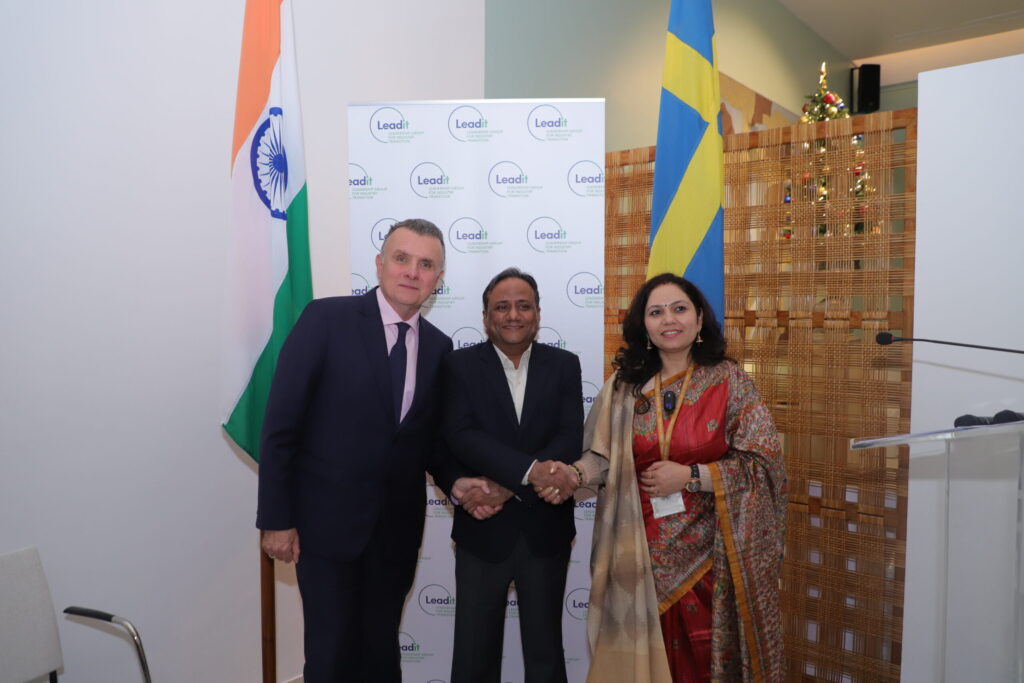
JK Cement’s membership of LeadIT was announced at an event at the Embassy of Sweden in India in December. The company has been awarded funding under the LeadIT Industry Transition Partnership to work on a pre-feasibility study with Cemvision, Tata Steel, and IIT-ISM Dhanbad. This project will explore how steel slag can become a resource for low-carbon cement production.
Read our interview with Madhavkrishna Singhania, Joint Managing Director & CEO, JKCement Limited, and discover how he sees the cement sector in India growing and becoming more sustainable.
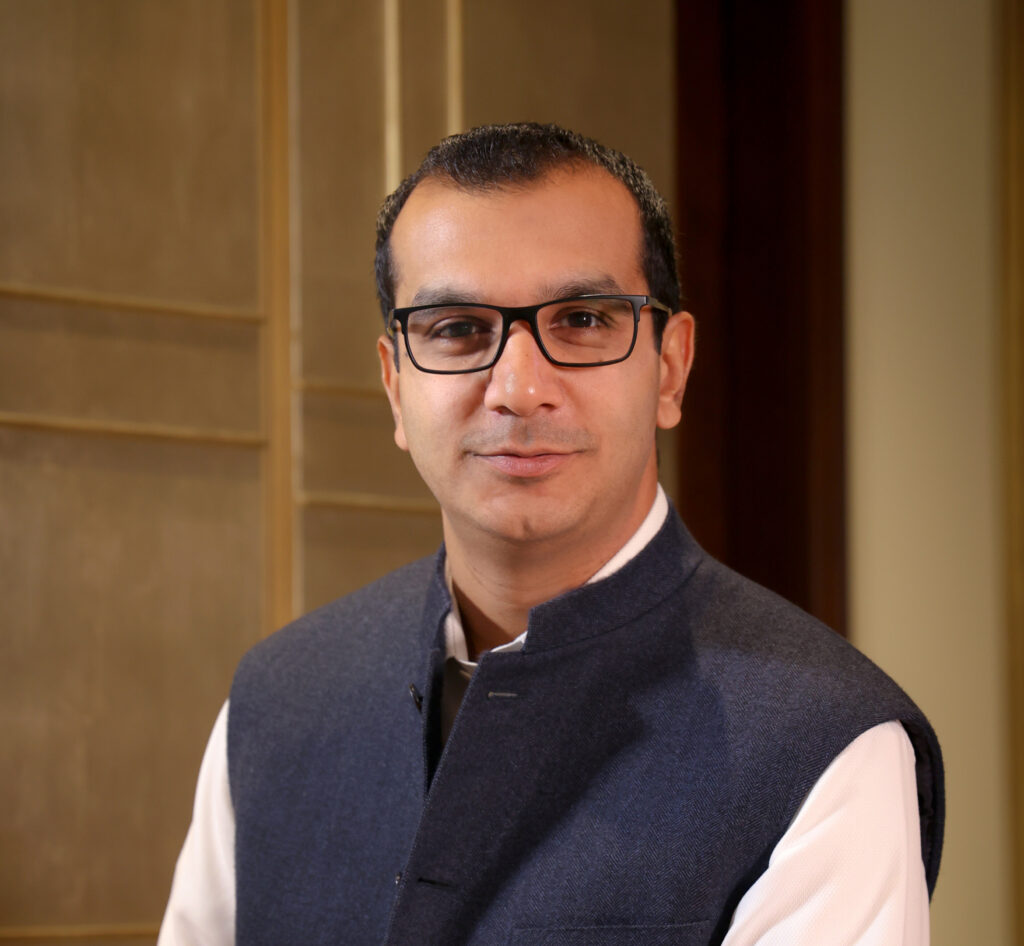
JKCement Limited has joined LeadIT to strengthen its commitment to industrial decarbonization and support India’s long-term climate goals. As a company committed to responsible growth, JKCement sees value in shaping and advancing practical decarbonization pathways for the cement industry. Through its partnership with LeadIT, JKCement looks forward to collaborating with government and industry leaders to accelerate scalable, technology-driven solutions. This participation reflects its proactive approach to sustainability, innovation, and alignment with global goals like net-zero emissions by 2050. We aim to help set benchmarks, share learnings, and support the broader shift toward a low-carbon industrial future
LC3 represents a major step forward in low-carbon cement, and we see its potential growing significantly in the coming years. As the demand for sustainable construction accelerates, LC3 offers a reliable pathway to substantially lower CO2 emissions without compromising performance. Its use of abundant materials like limestone and calcined clay also enhances resource efficiency and reduces dependence on clinker. We believe LC3 can play a central role in India’s transition to greener infrastructure and will continue to scale its adoption across public and private projects. For JKCement, LC3 is not just an innovation- it is a long-term strategic solution for a low-carbon future.
Through our membership in LeadIT, we aim to contribute actively to shaping global pathways for low-carbon industrial growth. We see this platform as an opportunity to collaborate with forward-thinking partners, accelerate technology development, and scale solutions that can meaningfully reduce emissions in the cement sector. Our focus is on driving practical, industry-ready innovations, localizing the development, adaptation, and deployment of emerging low-carbon technologies such as Electric Calcination, Green Hydrogen, and Digitalization AI/ML to suit the Indian landscape. Ultimately, our goal is to support India’s industrial transition while positioning JKCement as a leader in a responsible, future-ready manufacturing organisation.
Membership in LeadIT aligns closely with our long-term ambition to accelerate JKCement’s transition toward a low-carbon, resource-efficient manufacturer. As we scale innovations and explore new decarbonization pathways, LeadIT gives us a platform to collaborate with global partners who share similar goals. It reinforces our commitment to sustainability, technology leadership, and operational excellence. The initiative supports our roadmap for reducing emissions, enhancing circularity, and expanding our portfolio of greener products. Overall, LeadIT strengthens our ability to shape the future of responsible cement manufacturing and contribute meaningfully to global climate ambitions.
JKCement will contribute to LeadIT through a combination of practical experience, innovation, and collaborative ambition:
Scalable low-carbon solutions: JKCement will serve as an active industry partner within LeadIT, collaborating to co-develop and pilot practical decarbonisation solutions. The company can support joint initiatives focused on clinker substitution and the development of new materials, energy transition and efficiency enhancement, and fuel-switching strategies that incorporate alternative fuels and clean energy. Leveraging its extensive manufacturing footprint and on-ground implementation experience, JKCement can enable the testing, validation, and scaling of innovative low-carbon operational solutions.
Industry experience and circularity practices: JK Cement will contribute deep operational and technical expertise gained from the practical implementation of decarbonization initiatives across its cement operations. This includes hands-on experience in improving energy efficiency, developing and scaling low-clinker cements and alternative materials, and advancing fuel transitions through the substitution of fossil fuels with alternative fuels and renewable energy sources. In addition, JKCement’s expertise in providing insights on real-world case studies and actionable operational insights to support and accelerate the deployment of low-carbon technologies within LeadIT.
We are committed to active engagement, co-creation, and knowledge exchange with fellow LeadIT members, contributing practical perspectives that can help accelerate the transition pathways for hard-to-abate sectors like cement.
Membership in LeadIT aligns closely with our long-term ambition to accelerate JKCement’s transition toward a low-carbon, resource-efficient manufacturer. As we scale innovations and explore new decarbonization pathways, LeadIT gives us a platform to collaborate with global partners who share similar goals. It reinforces our commitment to sustainability, technology leadership, and operational excellence. The initiative supports our roadmap for reducing emissions, enhancing circularity, and expanding our portfolio of greener products. Overall, LeadIT strengthens our ability to shape the future of responsible cement manufacturing and contribute meaningfully to global climate ambitions.
JKCement will contribute to LeadIT through a combination of practical experience, innovation, and collaborative ambition:
Scalable low-carbon solutions: JKCement will serve as an active industry partner within LeadIT, collaborating to co-develop and pilot practical decarbonisation solutions. The company can support joint initiatives focused on clinker substitution and the development of new materials, energy transition and efficiency enhancement, and fuel-switching strategies that incorporate alternative fuels and clean energy. Leveraging its extensive manufacturing footprint and on-ground implementation experience, JKCement can enable the testing, validation, and scaling of innovative low-carbon operational solutions.
Industry experience and circularity practices: JK Cement will contribute deep operational and technical expertise gained from the practical implementation of decarbonization initiatives across its cement operations. This includes hands-on experience in improving energy efficiency, developing and scaling low-clinker cements and alternative materials, and advancing fuel transitions through the substitution of fossil fuels with alternative fuels and renewable energy sources. In addition, JKCement’s expertise in providing insights on real-world case studies and actionable operational insights to support and accelerate the deployment of low-carbon technologies within LeadIT.
We are committed to active engagement, co-creation, and knowledge exchange with fellow LeadIT members, contributing practical perspectives that can help accelerate the transition pathways for hard-to-abate sectors like cement.
JKCement will contribute to LeadIT through a combination of practical experience, innovation, and collaborative ambition:
Scalable low-carbon solutions: JKCement will serve as an active industry partner within LeadIT, collaborating to co-develop and pilot practical decarbonisation solutions. The company can support joint initiatives focused on clinker substitution and the development of new materials, energy transition and efficiency enhancement, and fuel-switching strategies that incorporate alternative fuels and clean energy. Leveraging its extensive manufacturing footprint and on-ground implementation experience, JKCement can enable the testing, validation, and scaling of innovative low-carbon operational solutions.
Industry experience and circularity practices: JK Cement will contribute deep operational and technical expertise gained from the practical implementation of decarbonization initiatives across its cement operations. This includes hands-on experience in improving energy efficiency, developing and scaling low-clinker cements and alternative materials, and advancing fuel transitions through the substitution of fossil fuels with alternative fuels and renewable energy sources. In addition, JKCement’s expertise in providing insights on real-world case studies and actionable operational insights to support and accelerate the deployment of low-carbon technologies within LeadIT.
We are committed to active engagement, co-creation, and knowledge exchange with fellow LeadIT members, contributing practical perspectives that can help accelerate the transition pathways for hard-to-abate sectors like cement.